

How Extreme Temperatures Affect EV Car Battery Performance

Electric vehicle battery pack showing performance metrics and energy efficiency indicators

Thermal Dynamics and Electrochemical Behavior of Energy Storage Systems

Batteries power almost everything today—from smartphones and laptops to electric vehicles (EVs) and large energy storage systems. But no matter how advanced a battery is, temperature remains the single most important factor that controls its performance, safety, and lifespan.

Whether it’s freezing winter mornings or scorching summer heat, extreme temperatures directly affect how efficiently a battery works. This article explains why batteries behave differently in hot and cold climates, what risks are involved, and how modern technology is trying to solve these challenges—using simple, practical explanations.


Why Temperature Matters in Batteries

Inside every battery, energy is stored and released through chemical reactions. These reactions depend on how easily charged particles (usually lithium ions) can move between the battery’s electrodes.

  • Warm temperatures help ions move faster, improving short-term performance
  • Cold temperatures slow everything down, increasing resistance and reducing usable energy

However, both extremes come with serious downsides.


The Science Behind Battery Behavior (Simplified)

At a microscopic level, batteries depend on ion movement through an electrolyte. This movement follows a basic chemistry rule called the Arrhenius principle:

  • Higher temperature → faster reactions
  • Lower temperature → slower reactions

In real batteries, this relationship becomes non-linear at extreme temperatures. That’s why performance can suddenly drop in winter rather than decline gradually.

What Happens as Temperature Changes

FactorCold Weather (< 0 °C)Hot Weather (> 45 °C)
Ion movementVery slowVery fast
Internal resistanceIncreases sharplyDecreases
Power outputWeak and unstableHigh but risky
Battery agingSlowVery fast
Safety riskLithium platingThermal runaway

Cold Weather Effects: Why Batteries Struggle in Winter

1. Higher Resistance and Voltage Drop

Cold temperatures make the battery’s internal fluid thicker. This increases internal resistance, which causes:

  • Reduced power output
  • Sudden voltage drops
  • Devices shutting down even with battery left

This is why phones or EVs may suddenly turn off in winter—even at 30–40% charge.

✅ The good news:

This loss is usually temporary. Once the battery warms up, performance returns.


2. Lithium Plating – A Serious Cold Charging Risk

Charging a battery in freezing temperatures can cause permanent damage.

Normally, lithium ions smoothly enter the anode structure. But in the cold:

  • Ion movement becomes too slow
  • Lithium starts depositing as metal on the anode surface
  • This causes permanent capacity loss

Worse, metallic lithium can grow into needle-like structures (dendrites) that may pierce internal layers and cause internal short circuits.

⚠️ That’s why:

  • Most batteries block fast charging below 0 °C
  • EVs pre-heat batteries before charging in winter


Cold Performance by Battery Type

Battery TypeCold Charging LimitCold Discharge Performance
Lithium-ion (standard)0 °CWorks down to −20 °C with power loss
LFP (LiFePO₄)0 °CPoor cold performance
Lead-acid−20 °C (slow charge)Can freeze if discharged
Sodium-ion−20 °CExcellent (up to 90% capacity

Hot Weather Effects: Faster Aging and Safety Risks

High temperatures may feel good for performance, but they are very damaging over time.

1. Faster Battery Aging

Heat accelerates unwanted chemical reactions inside the battery:

  • Thickening of the protective SEI layer
  • Breakdown of electrolyte
  • Cracking of active materials

Result:

  • Permanent loss of capacity
  • Higher internal resistance
  • Shorter battery lifespan

📉 Example:

For many batteries, every 10 °C rise above 25 °C cuts lifespan nearly in half.


2. Thermal Runaway – The Worst-Case Scenario

At extreme temperatures, batteries can enter thermal runaway, an uncontrollable chain reaction.

The Four Stages of Thermal Runaway

  1. SEI Breakdown (80–100 °C) Initial heat release
  2. Electrolyte Decomposition (100–130 °C) Flammable gases form
  3. Separator Melting (130–150 °C) Internal short circuit
  4. Cathode Breakdown (>150 °C) Oxygen release → fire or explosion

🔥 Temperatures can exceed 1000 °C, releasing toxic gases like hydrogen fluoride (HF).


Electric Vehicles: Batteries in Real-World Climates

EVs are especially sensitive to temperature because their batteries are large and highly stressed.

Range Loss in Different Conditions

TemperatureTypical Range LossMain Cause
72 °F (22 °C)0%Normal operation
20 °F (−6 °C)20–40%Cabin heating + cold battery
0 °F (−18 °C)40–60%Heating + battery pre-warming
95 °F (35 °C)10–15%Air conditioning

Why Winter Is Harder Than Summer for EVs

  • No engine waste heat for cabin heating
  • Battery must power the heater
  • Cold air increases drag
  • Cold tires increase rolling resistance

All these factors stack together.


Heat Pumps and Advanced EV Thermal Systems

Modern EVs use heat pumps instead of simple electric heaters.

Why Heat Pumps Matter

  • Move heat instead of generating it
  • 3–4× more efficient
  • Major range savings in winter

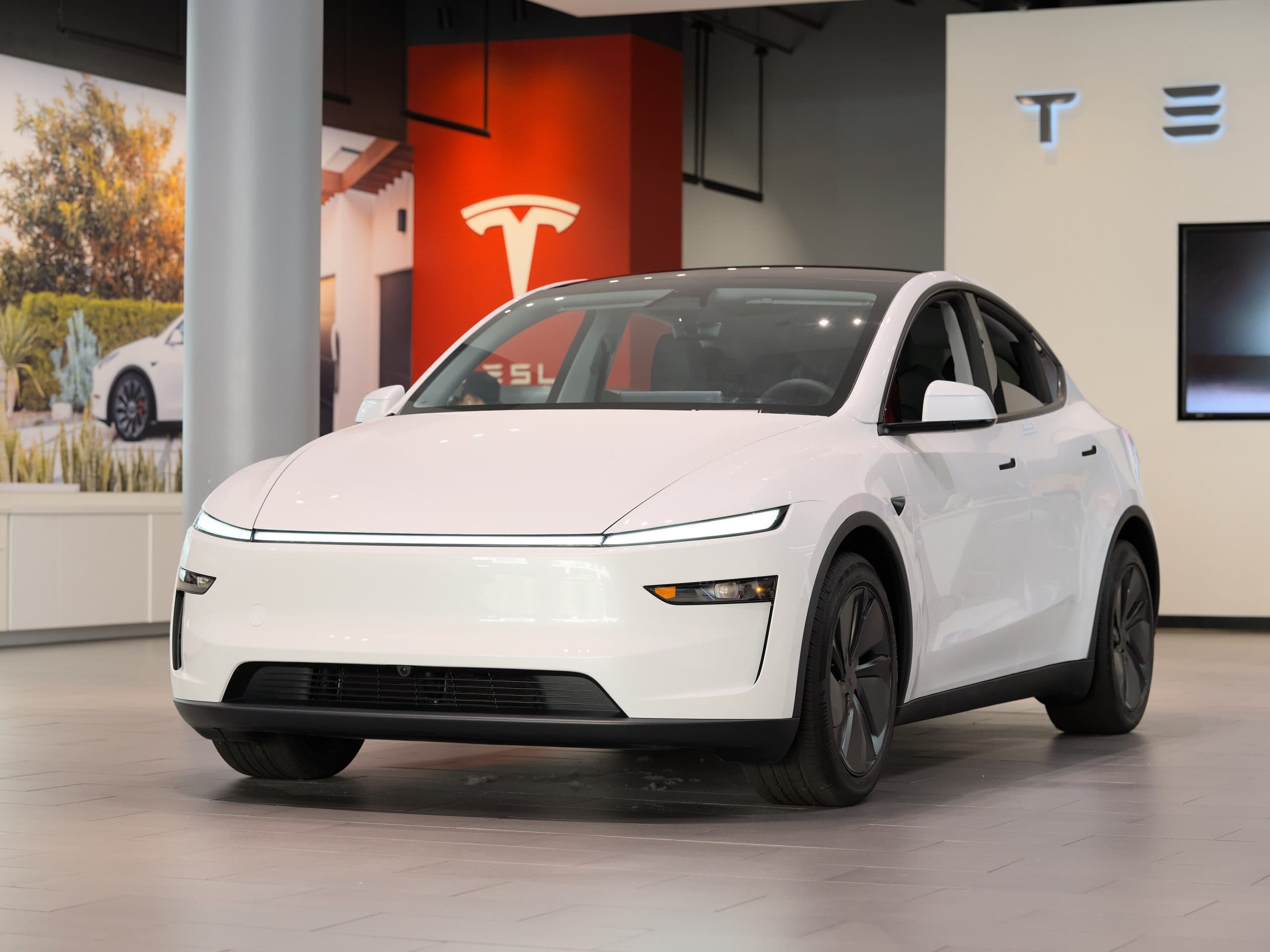
Tesla’s Octovalve System

Tesla uses a smart thermal network that:

  • Shares heat between battery, motors, and cabin
  • Pre-heats batteries before fast charging
  • Can intentionally create heat when needed

This improves range, charging speed, and battery lifespan.


Smartphones and Laptops: Thermal Throttling Explained

Small devices can’t dissipate heat easily, so software plays a big role.

Thermal Throttling

When temperatures rise:

  • CPU and GPU speeds are reduced
  • Screen brightness may dim
  • Charging speed slows

This prevents battery damage and overheating.


Smart Charging Features

Modern phones avoid staying at 100% charge for long periods.

FeaturePurpose
Optimized ChargingHolds charge at 80% overnight
Adaptive ChargingLearns user habits
Battery SaverLimits performance to reduce heat
80% Charge LimitMaximizes long-term battery 

Comparing Battery Chemistries in Extreme Temperatures

LFP (Lithium Iron Phosphate)

Pros

  • Extremely safe
  • Very long lifespan
  • Excellent heat tolerance

Cons

  • Poor cold performance
  • Slower charging in winter

NMC / NCA (Nickel-Based)

Pros

  • High energy density
  • Better cold-weather performance

Cons

  • Faster degradation in heat
  • Lower thermal safety margin
FeatureLFPNMC / NCA
Energy densityLow–mediumHigh
Cold performancePoorGood
Heat safetyExcellentModerate
Cycle lifeVery longModerate
CostLowerHigher

Emerging Battery Technologies

Sodium-Ion Batteries

  • Perform extremely well in cold climates
  • Up to 90% capacity at −20 °C
  • Lower fire risk
  • Cheaper and more abundant materials

Ideal for cold regions and grid storage.


Solid-State Batteries

  • No flammable liquid electrolyte
  • Wider operating range (−50 °C to 125 °C)
  • Much higher safety

Challenges still remain in durability and manufacturing.


Thermal Management: How Batteries Are Protected

Passive Cooling

  • Heat sinks
  • Phase-change materials
  • Low cost, limited effectiveness

Active Cooling

  • Fans or liquid cooling
  • Precise temperature control
  • Standard in modern EVs

Advanced Solutions

  • Immersion cooling using non-conductive fluids
  • Aerogel insulation in smartphones
  • Enables ultra-fast charging with better safety

Final Thoughts: Why Thermal Control Is Everything

Battery performance is not just about capacity—it’s about temperature control.

  • Cold slows chemistry and limits power
  • Heat accelerates aging and increases safety risks

The future of energy storage depends on:

  • Smarter thermal systems
  • Better battery chemistries
  • Intelligent software control

Until new technologies fully mature, keeping batteries near their ideal range (20–25 °C) remains the most effective way to ensure performance, safety, and longevity—whether in your phone, car, or power grid.