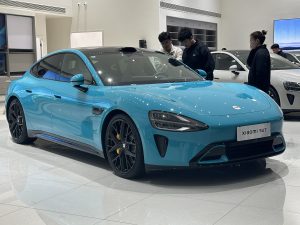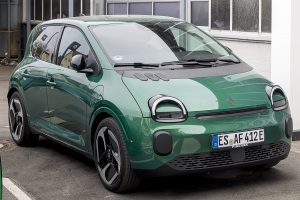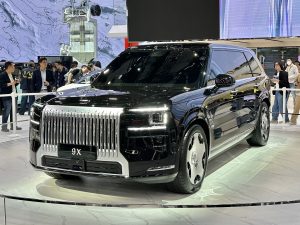
China shipped 606,000 plug-in vehicles abroad in October, about 140% more than a year earlier, according to figures from the China Association of Automobile Manufacturers (CAAM) that electrive reported on 11 November. It is the first month above 600,000, and exports were roughly 31% of all new-energy output.
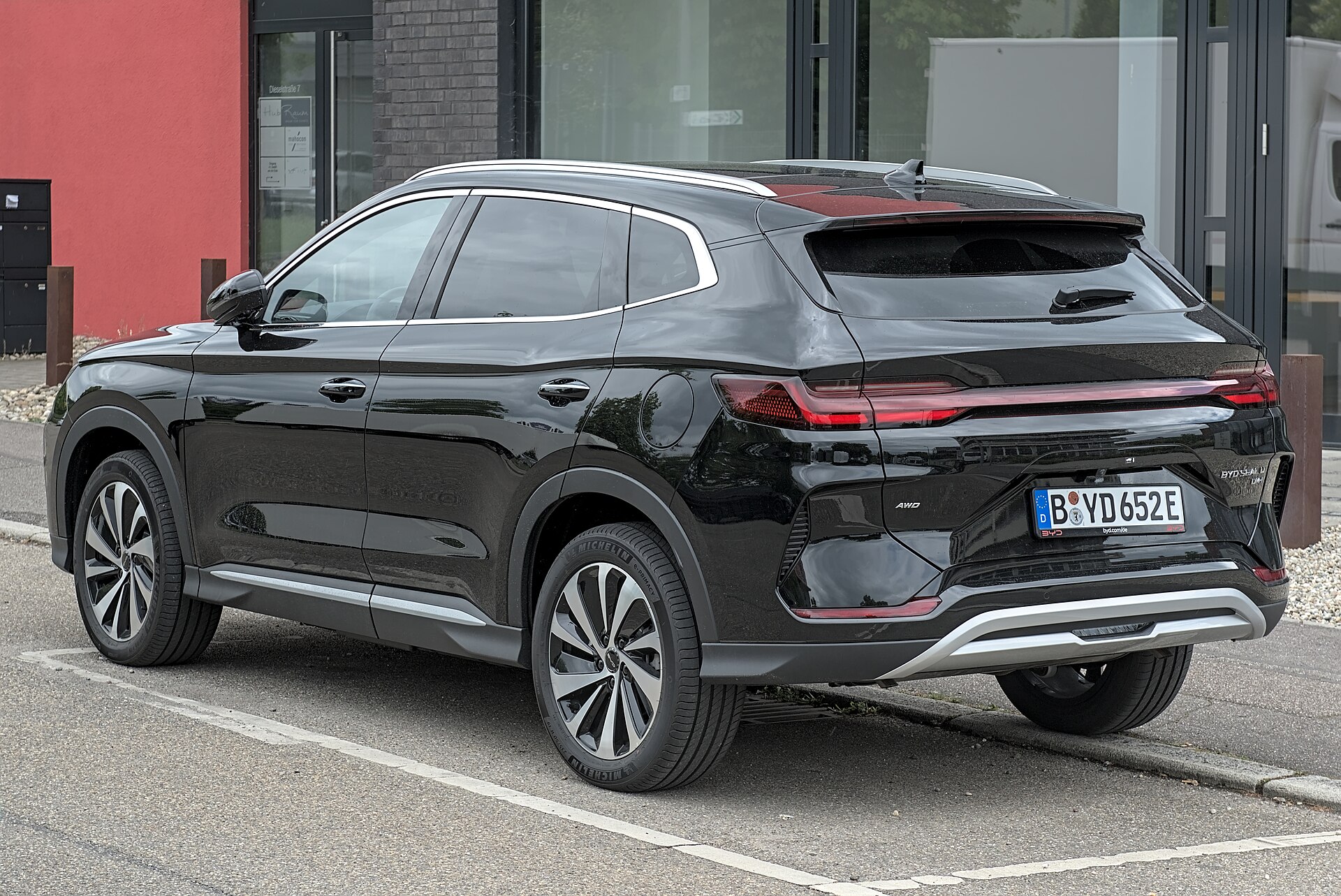
Plug-in hybrids are growing faster than battery-electric exports
CAAM counts battery-electric and plug-in hybrid vehicles together, and range extenders sit in the plug-in hybrid group. Split out, the picture is that of two fast-growing categories:
- Battery-electric: about 374,000 exported, up roughly 130% year on year.
- Plug-in hybrid (including range extenders): about 233,000 exported, up roughly 160%.
Separate passenger-car data from the CPCA, summarised by CnEVPost, points the same way. It puts passenger NEV exports at 582,000, up about 145%, with plug-in hybrids accounting for about a third of passenger-vehicle exports. The CPCA and CAAM totals differ because CAAM also covers commercial vehicles.
Home sales are softer
Total new-energy sales still rose about 13% to 1.94 million, and electrified vehicles made up a record 64% of China’s vehicle sales. Domestic sales, though, fell by roughly 8.6% (electrive’s CAAM-based figure), so overseas markets are absorbing a growing share of output. That matters for buyers in the markets we cover, because more supply tends to mean more models, more dealers and sharper pricing.
Europe is tightening the rules on hybrids
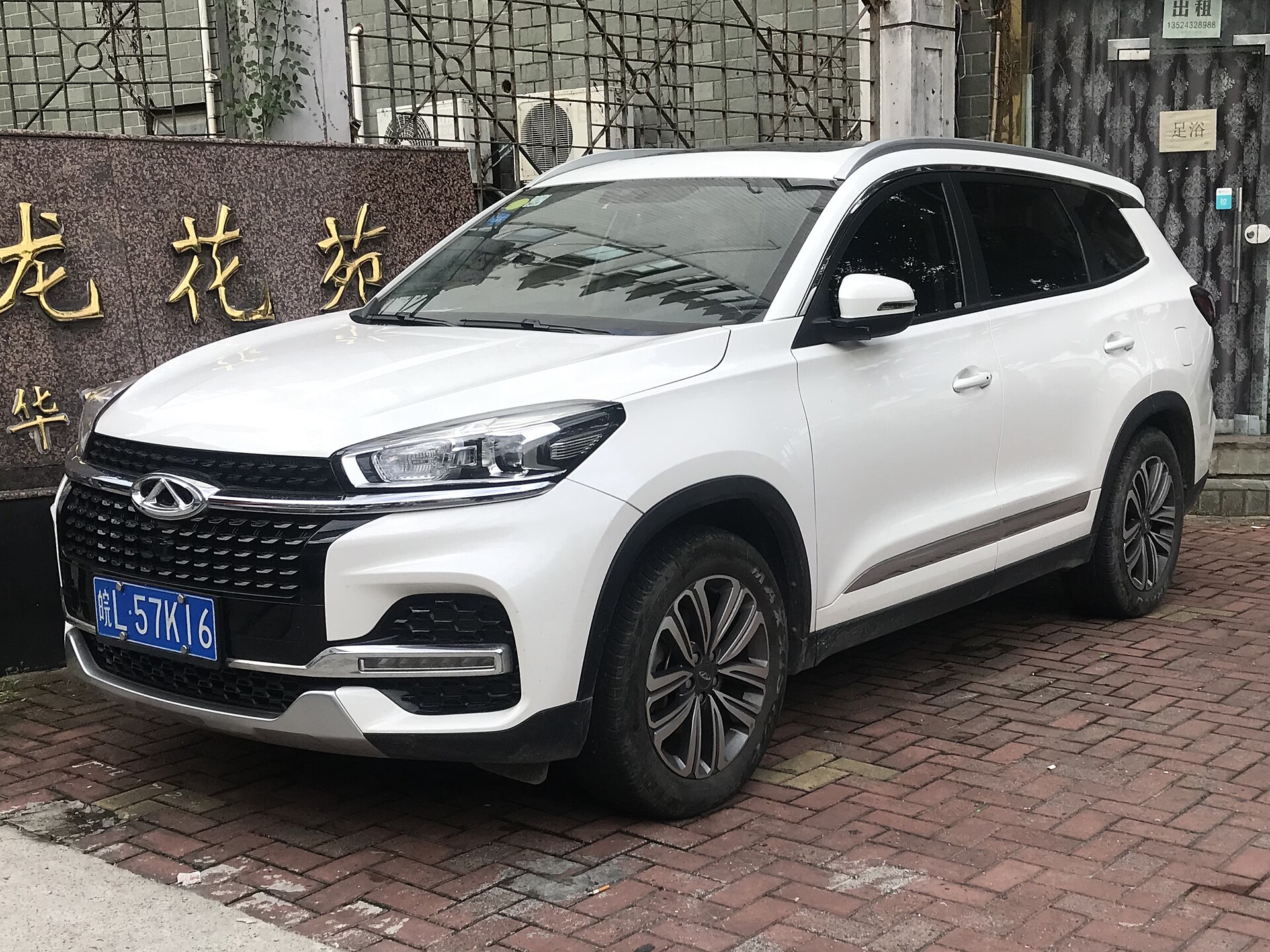
Electrive also reported that from 1 December the EU will cap imports of Chinese hybrid and plug-in hybrid vehicles at 350,000 units a year, with growth limited to 6% annually, and named Chery and MG among the affected brands. We could only find this cap in that one report, so check the EU’s official text before relying on the numbers. If it is confirmed, expect Chinese makers to push harder in markets without such limits.
What it means for UAE, UK and US shoppers
- UAE: Chinese brands are already a large part of the choice. See what is on sale in the UAE market.
- UK: Chery and MG are growing quickly. Browse UK models and MG’s range.
- Plug-in hybrids: compare electric range and prices in our plug-in hybrid directory, or look at BYD and Chery.
Sources: electrive; CnEVPost. This article is a summary in our own words. Figures are as reported by the sources above.