
Battery Technology
Hongqi Claims 3-Minute Charge to 70% in China's Flash-Battery Race
China’s EV battery makers spent 2026 in an escalating “flash charging” competition, and Hongqi — the premium brand of state-owned FAW Group — is the latest to publish headline-grabbing numbers. Working with cell supplier Lishen Battery, Hongqi said laboratory tests at 25°C showed its new pack reaching 70% state of charge in three minutes and 41 seconds, and 97% in just over eight minutes. The figures put Hongqi in the same conversation as BYD, CATL, and Geely’s Energee division, all of which have promoted sub-five-minute partial charges this year.
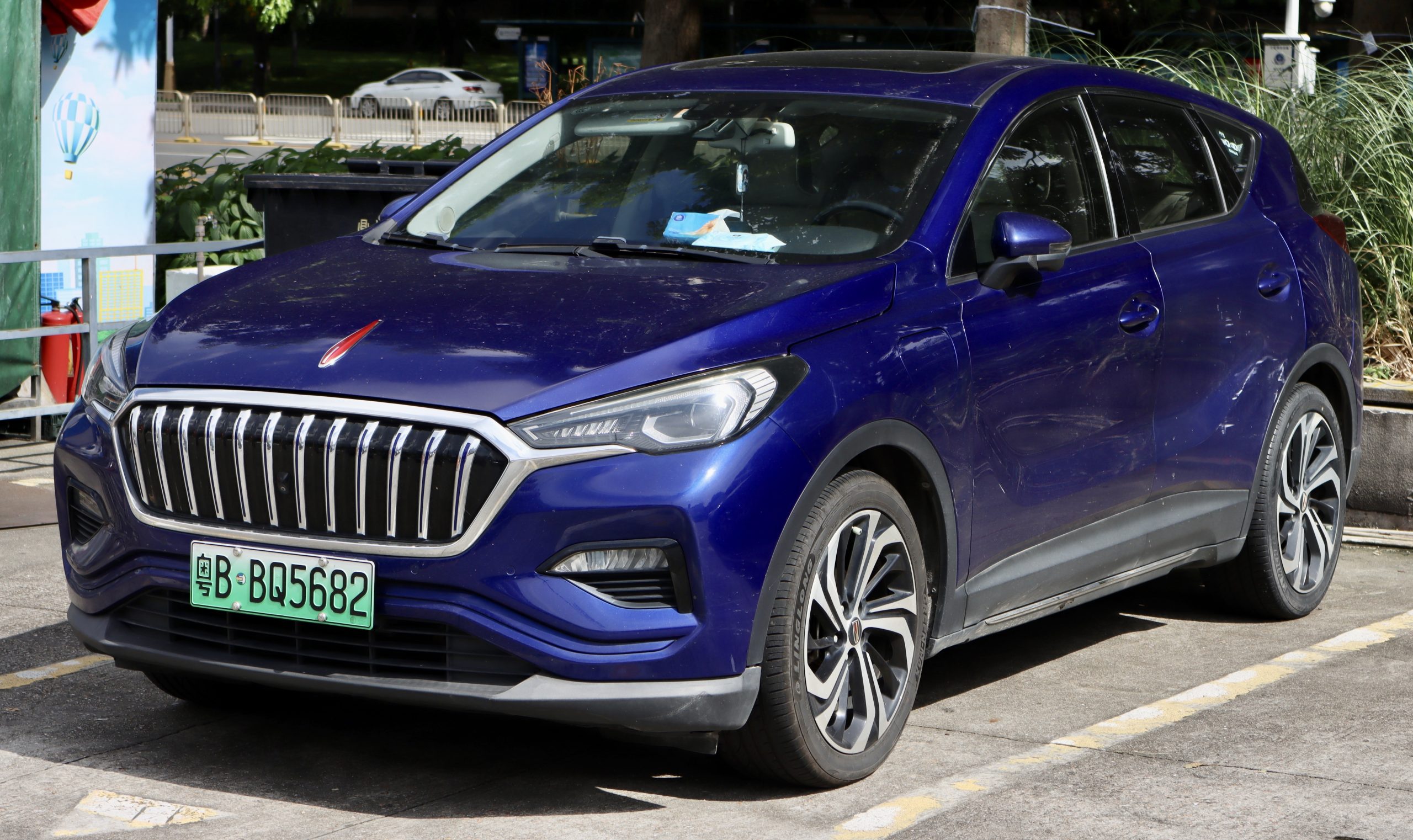
According to trade reports from Car News China and CnEVPost, Hongqi claims a peak charge rate of 12C — a measure of how many times the battery’s capacity can be replenished in one hour. The company attributed the gain partly to a high-efficiency ultra-fast charging anode, a low-resistance electrolyte, and cell tweaks that cut internal resistance by about 15% versus comparable chemistry. Those are engineering talking points, but the practical pitch is familiar: shrink the gap between a fuel stop and a charge stop for drivers who cannot plug in overnight.
Context matters when comparing the leaderboard. BYD’s second-generation Blade Battery already powers a wide range of production models — including the BYD Seal — and advertises a five-minute sprint from 10% to 70%. CATL’s third-generation Shenxing chemistry has published even faster partial-charge windows in controlled tests. Hongqi’s numbers, if they hold in real vehicles and on public DC hardware, would be competitive on paper. Neither Hongqi nor FAW has announced which model will debut the pack or when mass production starts, so buyers should treat the announcement as a technology signal rather than a purchase-ready spec.
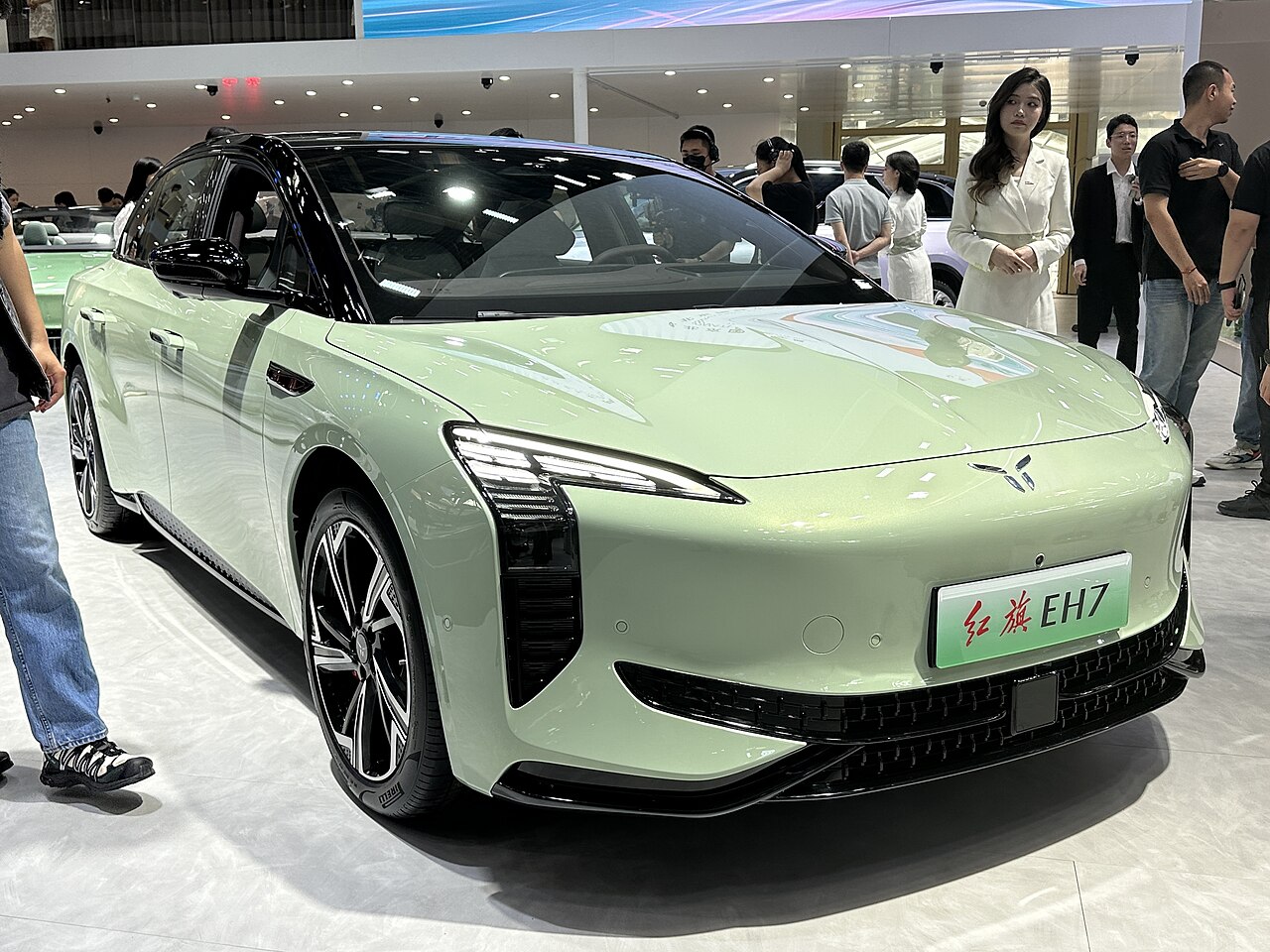
For markets outside China, the flash-charging race still lands indirectly. Faster cell chemistry eventually filters into export models and licensing deals, and it keeps pressure on legacy brands to improve DC charge curves on vehicles sold in the UAE, Europe, and North America. The open question is infrastructure: a 12C-capable pack only delivers its promise when the charger, thermal management, and grid connection can feed it safely. Until Hongqi publishes a production timeline and real-world validation, the story is less about a single car and more about how quickly China’s battery suppliers are resetting consumer expectations for top-up time.
Sources: Car News China and CnEVPost (28–29 July 2026), reporting on FAW Group / Hongqi laboratory test results. Figures are manufacturer-reported at 25°C unless noted.