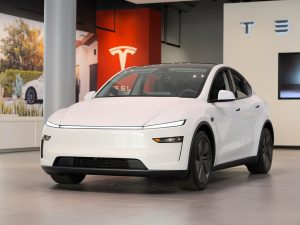
Federal regulators are moving toward new door-egress standards for every new vehicle sold in the United States — a response to a string of incidents in which occupants could not exit cars with flush, electronically operated door handles after a crash or power loss. The process follows years of complaints centered on Tesla vehicles, but the outcome would apply industry-wide if finalized.
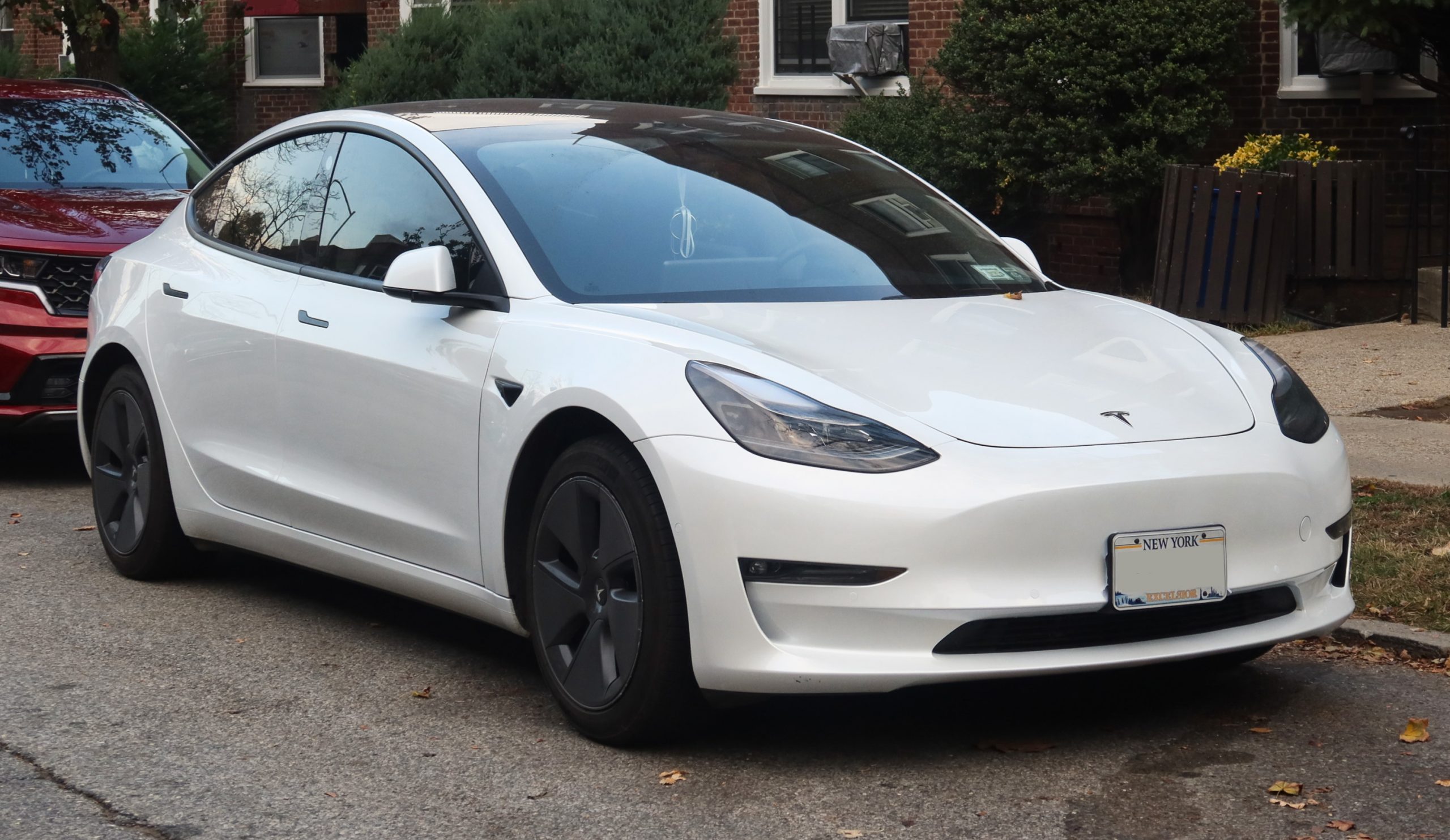
On 23 July 2026, the National Highway Traffic Safety Administration (NHTSA) said it would begin rulemaking to “mandate a robust and obvious door egress system in all motor vehicles,” according to a regulatory filing reported by The Verge, TechCrunch, and the Orange County Register. The decision came in response to a petition asking NHTSA to open a safety defect investigation into the emergency mechanical door release on 2022 Tesla Model 3 vehicles.
Rather than launch that defect probe, NHTSA concluded the broader rulemaking path would address the issue more effectively. If adopted, any new requirements would apply to all automakers — not just Tesla — though the agency noted that commencing rulemaking does not guarantee new rules will emerge.
Why flush handles are under scrutiny
Flush, power-retracting door handles have spread across the EV segment because they reduce aerodynamic drag and give exteriors a cleaner look. Tesla popularized the design, and other brands followed. The trade-off is egress: when the 12-volt system loses power after a collision or electrical fault, electronic latches may not release, and backup mechanical releases can be hard to find or operate under stress.
NHTSA investigators previously found that interior manual releases on some Tesla models may not work if electronic door locks do not receive enough voltage from the vehicle’s battery system. Bloomberg and other outlets have documented multiple incidents in which drivers or passengers became trapped inside Teslas following crashes; The Verge reports that more than a dozen deaths have been linked to occupants unable to exit after a collision.
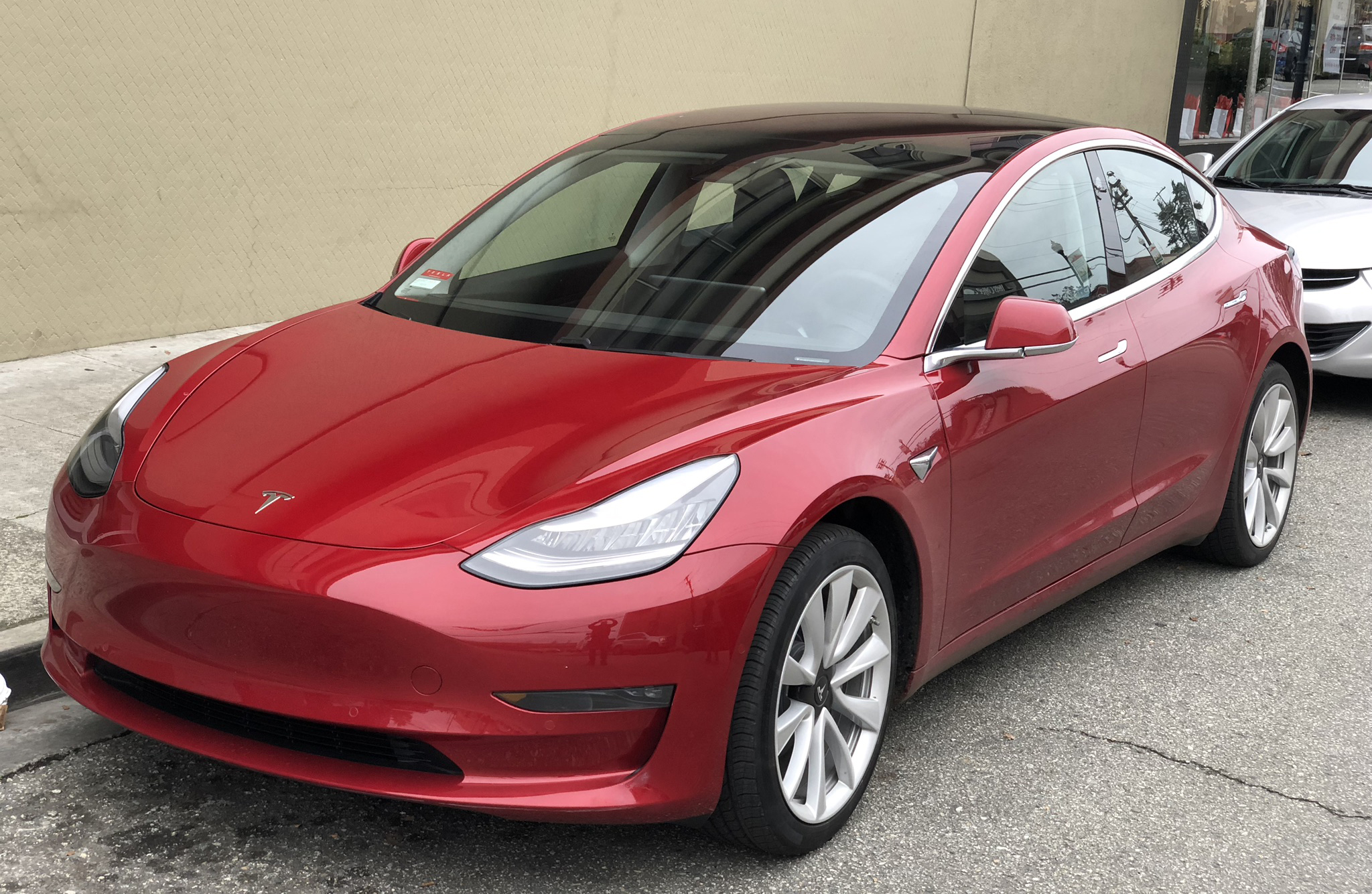
Tesla vehicles do include manual door releases, but they are located inside the cabin and are not always obvious to occupants or first responders. Last year, Tesla designer Franz von Holzhausen said the company was working on a door-handle redesign. Rivian, which uses similar flush exterior handles on current models, said it would reposition the manual release on its upcoming R2 SUV to sit closer to the powered handle — a change that reflects growing industry awareness of the usability gap.
Timeline and what it means for US EV buyers
Do not expect overnight changes. NHTSA rulemaking typically runs two to five years, meaning any final standard might not take effect until 2030 or later. The auto industry has historically pushed back on mandates that add cost — a pattern seen in recent debates over automatic emergency braking requirements — and members of Congress have introduced legislation that would require visible manual door releases and tools for first responders to access vehicles when power is lost.
For shoppers comparing electric models on getevcar’s US market pages, the practical takeaway is to understand how each vehicle’s doors work in a power-loss scenario before you buy. Flush handles are not unique to one brand, and a future federal standard would likely harmonize backup-release design across the fleet rather than ban electronic handles outright.
Sources: The Verge; TechCrunch; Orange County Register (NHTSA filing, 23 July 2026).