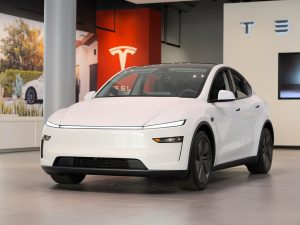
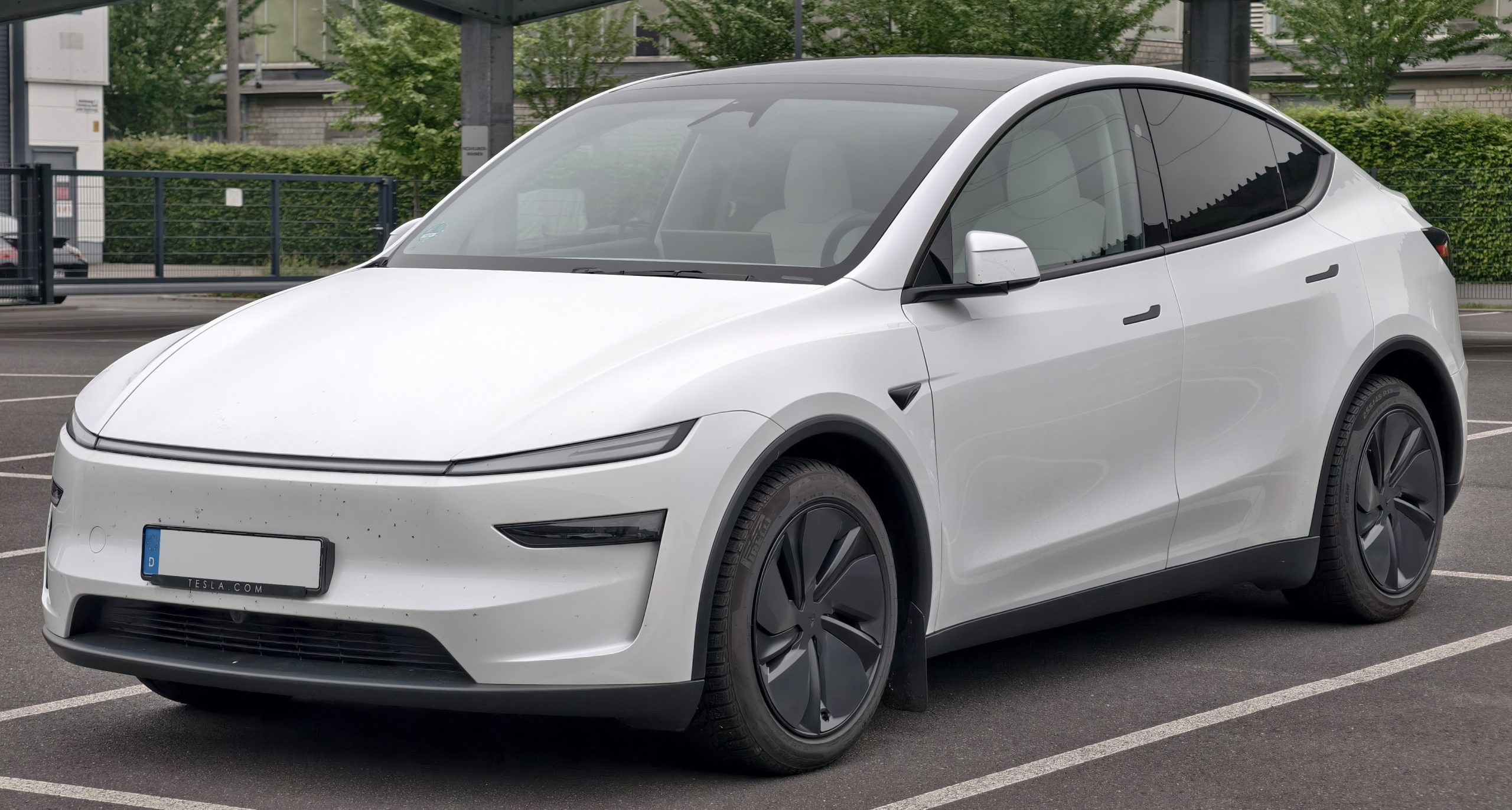
Federal safety regulators in the United States opened a preliminary investigation on July 31 into roughly 1.2 million Tesla Model 3 and Model Y vehicles after owners reported front suspension failures that can strip a driver of steering control. The probe lands in a week when Tesla is already under broader scrutiny from the same agency, and it directly affects two nameplates that dominate the US electric vehicle market.
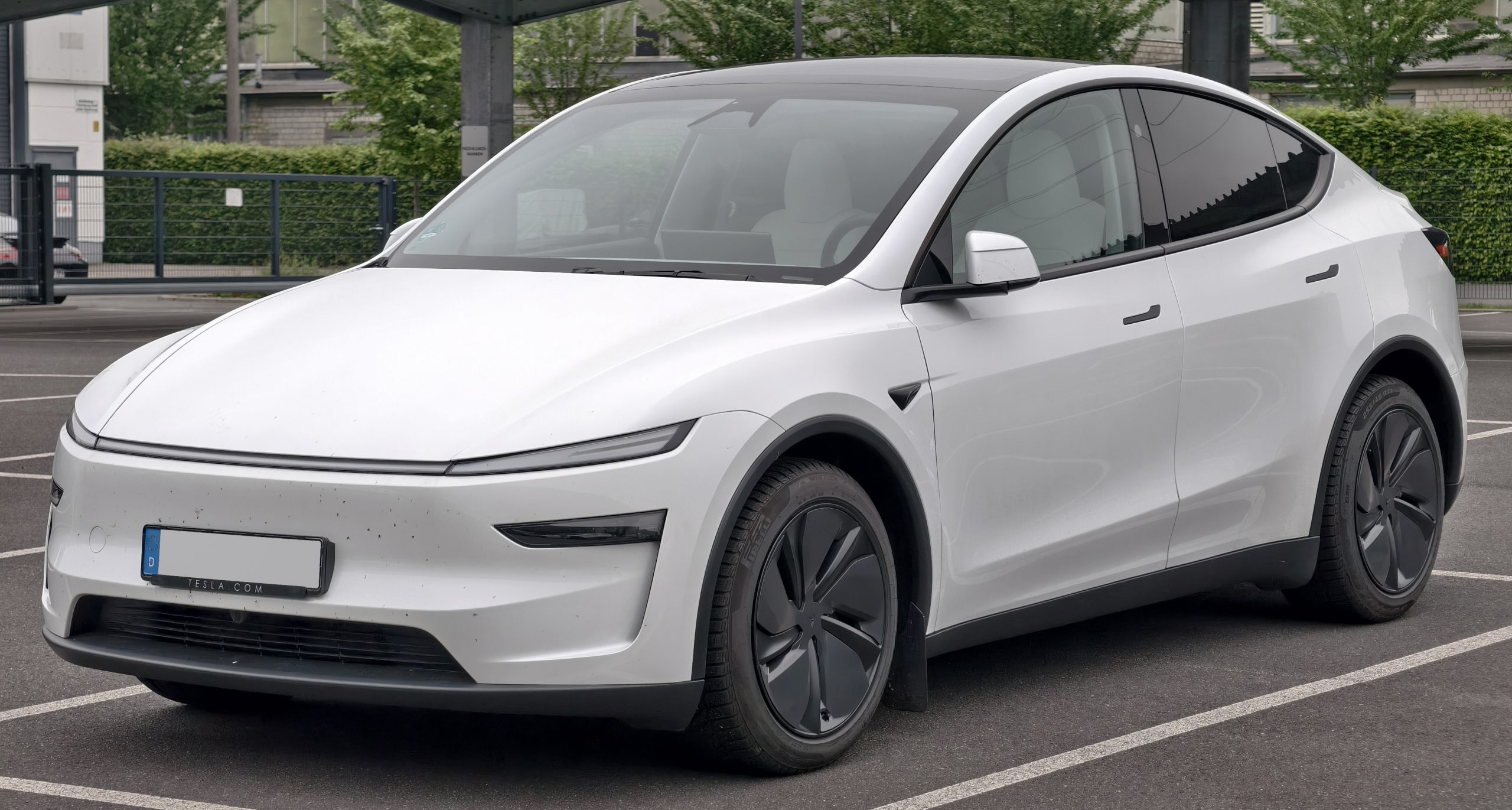
According to documents posted by the National Highway Traffic Safety Administration and reporting from Reuters, Transport Topics, and Electrek, the Office of Defects Investigation has logged 156 complaints alleging that the front lower lateral link separated from the subframe. The evaluation covers 2018–2020 Model 3 sedans and 2021–2023 Model Y crossovers — model years that overlap with but do not exactly match every trim listed on GetEVCar’s current Model 3 and Model Y pages, so owners should verify build year against NHTSA’s scope rather than assuming immunity.
What owners reported
NHTSA said most drivers saw little or no warning before the failure, though some described unusual noises beforehand. After the link detaches, the vehicle may become undriveable and need a tow. The agency stated it is not aware of crashes, injuries, or fatalities tied to the complaints at this stage — a preliminary evaluation is the first step in a process that can end quietly or escalate toward a recall.
Tesla has faced smaller recalls for similar lateral-link detachments before, including campaigns in 2021 and 2023 that affected far fewer Model 3 cars. Regulators said the new complaints appear to extend beyond those earlier production-related fixes, which means investigators will focus on root cause, failure rates, and whether a broader hardware remedy is warranted.
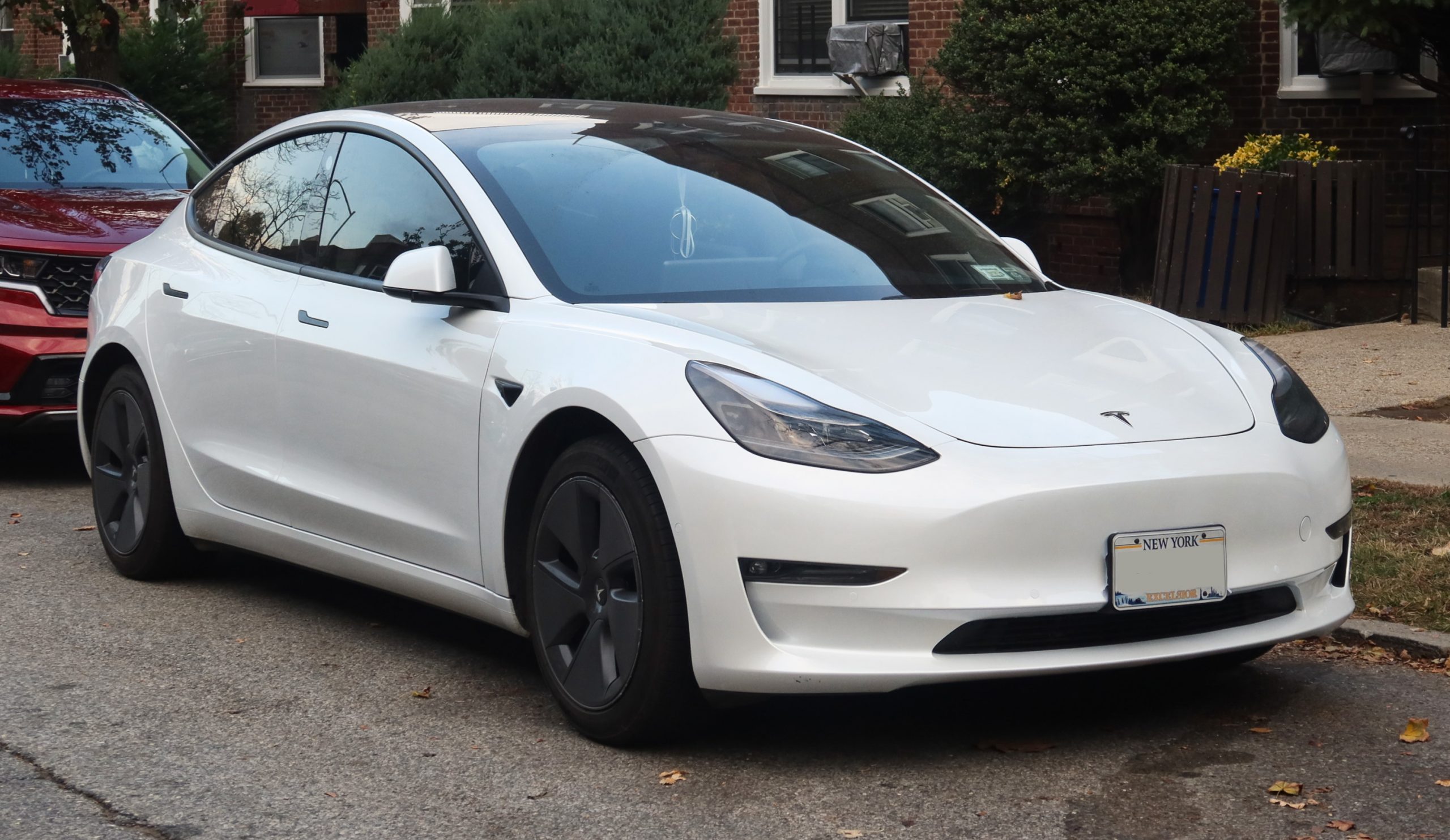
Context for EV shoppers and fleet planners
For buyers comparing Tesla against rivals on the Tesla brand hub, the investigation is a reminder that high-volume EV platforms accumulate real-world wear data faster than low-volume models. A suspension defect is fundamentally a mechanical issue — unlike software-linked recalls, it cannot be patched over the air — so any eventual remedy would likely involve inspection or parts replacement at service centers.
The suspension case also runs parallel to other open NHTSA work on Tesla, including expanded reviews of driver-assistance features. None of that overlap predetermines an outcome here; preliminary evaluations sometimes close without action. Still, 156 field reports on a component that anchors the front wheels is the kind of pattern safety engineers watch closely.
Sources
- Reuters and syndicated trade coverage, July 31, 2026 — NHTSA preliminary evaluation PE26-012 (Office of Defects Investigation docket).
- Transport Topics and Electrek — complaint counts, model-year scope, and prior lateral-link recalls.
GetEVCar summarizes independent reporting; we do not reproduce source text. Check NHTSA’s database for official updates on open investigations.