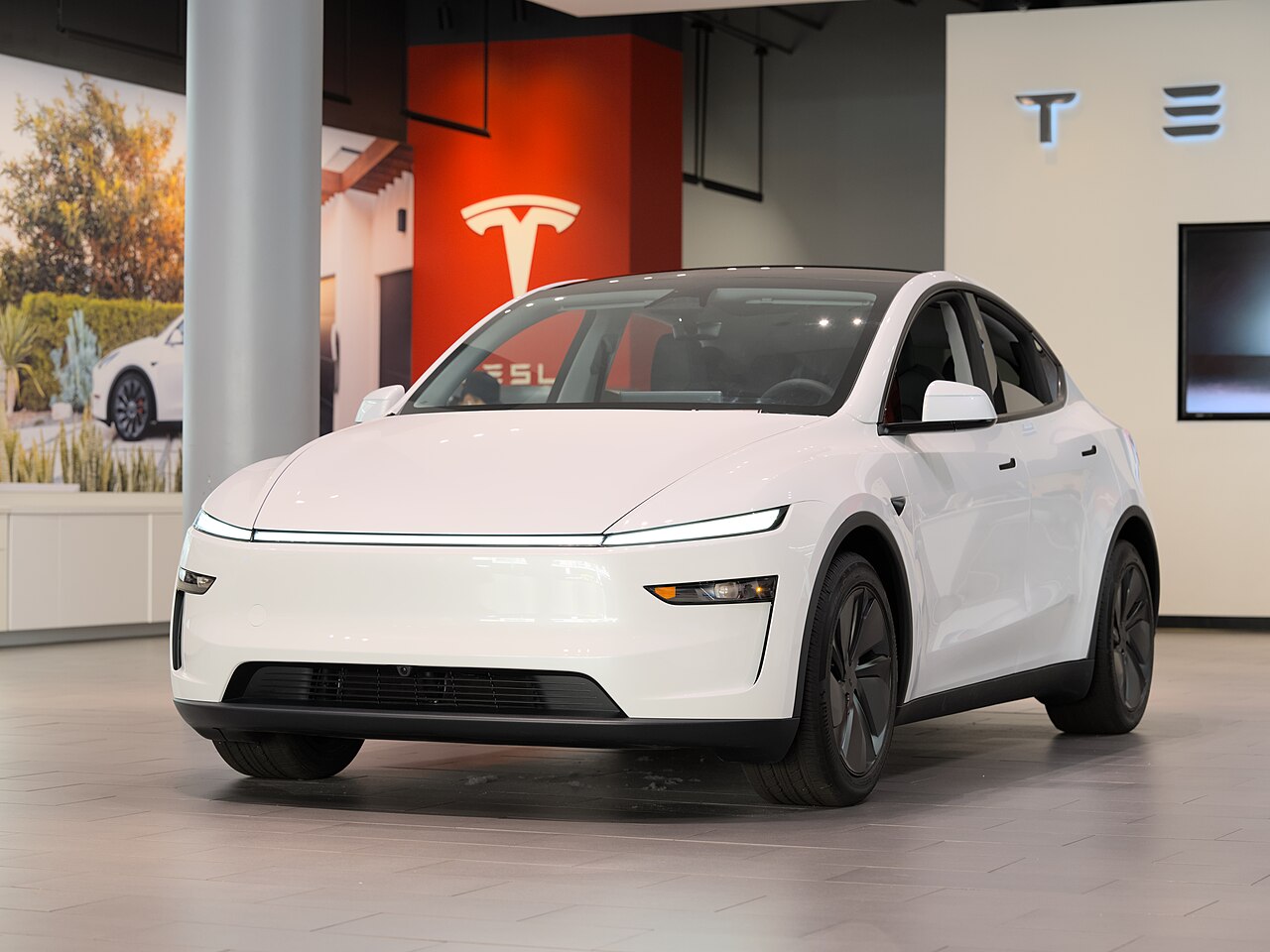
Nevada’s transport regulator has opened Clark County — Las Vegas and its suburbs — to paid driverless rides at a scale the state has not tried before. TechCrunch reported that the Nevada Transportation Authority voted unanimously on Thursday, 20 August, to grant commercial robotaxi permits to Tesla, Waymo, and Uber. The Las Vegas Review-Journal, citing a Friday NTA release, put the fleet ceilings at 5,000 vehicles for Tesla Robotaxi, 1,000 for Waymo, and 1,000 for Uber subsidiary Aviari Services — 7,000 in total. TechCrunch described the same session as covering as many as 8,000 robotaxis over 12 months; that extra thousand is not broken out in the NTA figures the Review-Journal published, so treat 7,000 as the confirmed cap.
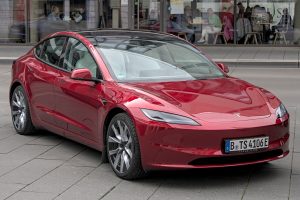
Tesla is the largest beneficiary on paper. InsideEVs, covering the same NTA session, said company representatives told commissioners the first cars on the permit will be driverless Model Y crossovers — the SUV already listed on GetEVCar’s US catalogue and under the Tesla brand hub. Tesla’s purpose-built Cybercab is a separate product on this site; it is not the vehicle named for the Las Vegas start.
The 5,000 figure is a ceiling, not a launch fleet. Tesla Cybercab chief engineer Eric Early told the hearing, “Five thousand has always been a ceiling for us.” Both TechCrunch and InsideEVs recorded him putting a more realistic first-year target around 2,500, citing operations rather than the driving stack.
This week’s vote also unwinds a much tighter Tesla permit. The Review-Journal reported on 17 August that the NTA had approved only 10 Tesla robotaxis on 27 July. Spokeswoman Teri Williams told the paper the larger fleet was heard by the full authority this week. A 10-car test envelope is not the same as a 5,000-vehicle commercial cap.
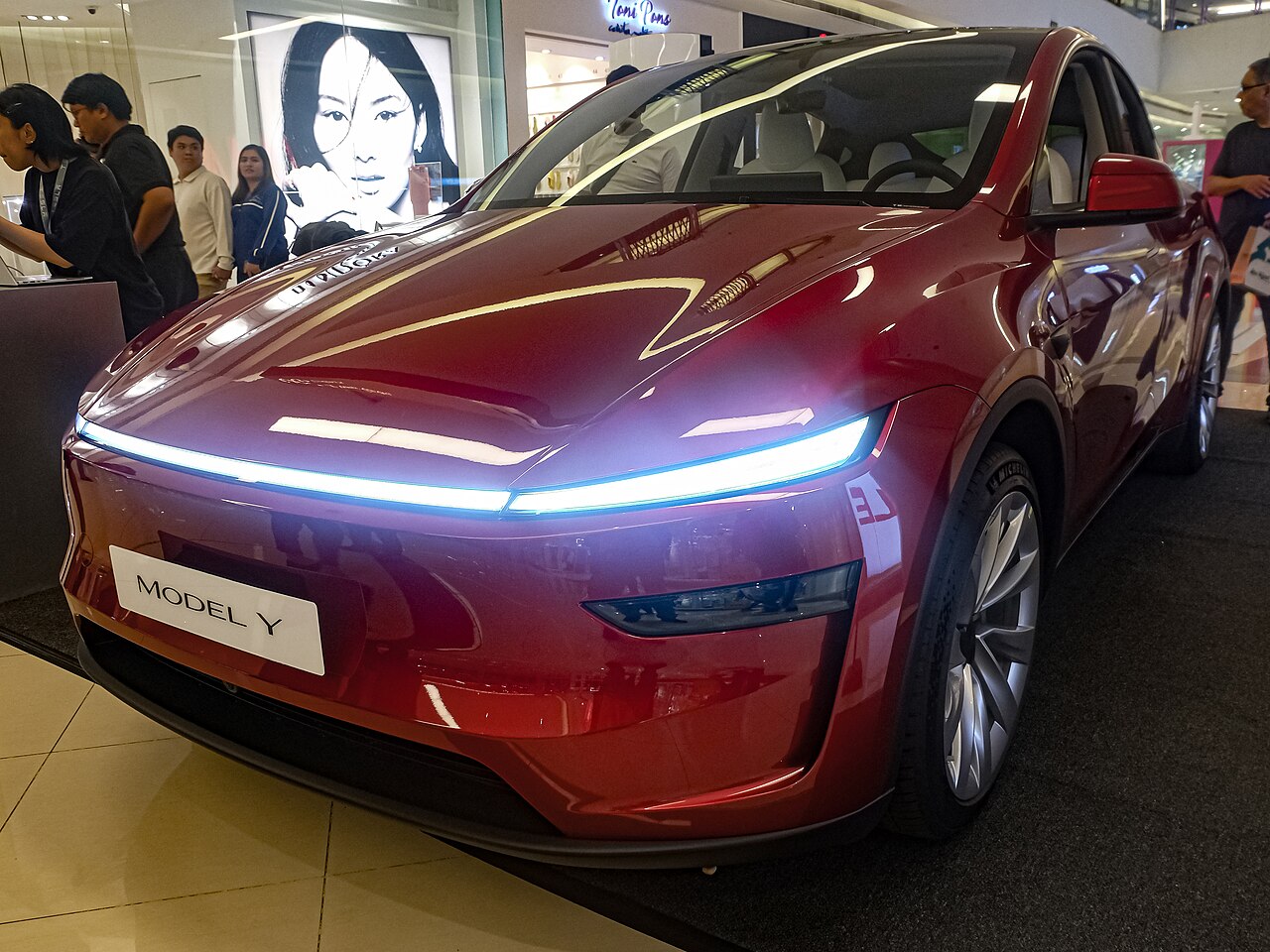
None of the three new permits is a same-week go-live. The Review-Journal lists remaining administrative steps: vehicle inspection records, insurance, passenger rates filed with the NTA, and customer-app details for regulatory review. Airport curb access is a separate gate. All three may serve Harry Reid International Airport only after Clark County Department of Aviation approval. Airport spokeswoman Monika Bertaki told the paper no autonomous company yet has commercial airport-ride approval; Zoox and Waymo currently hold mapping and testing agreements.
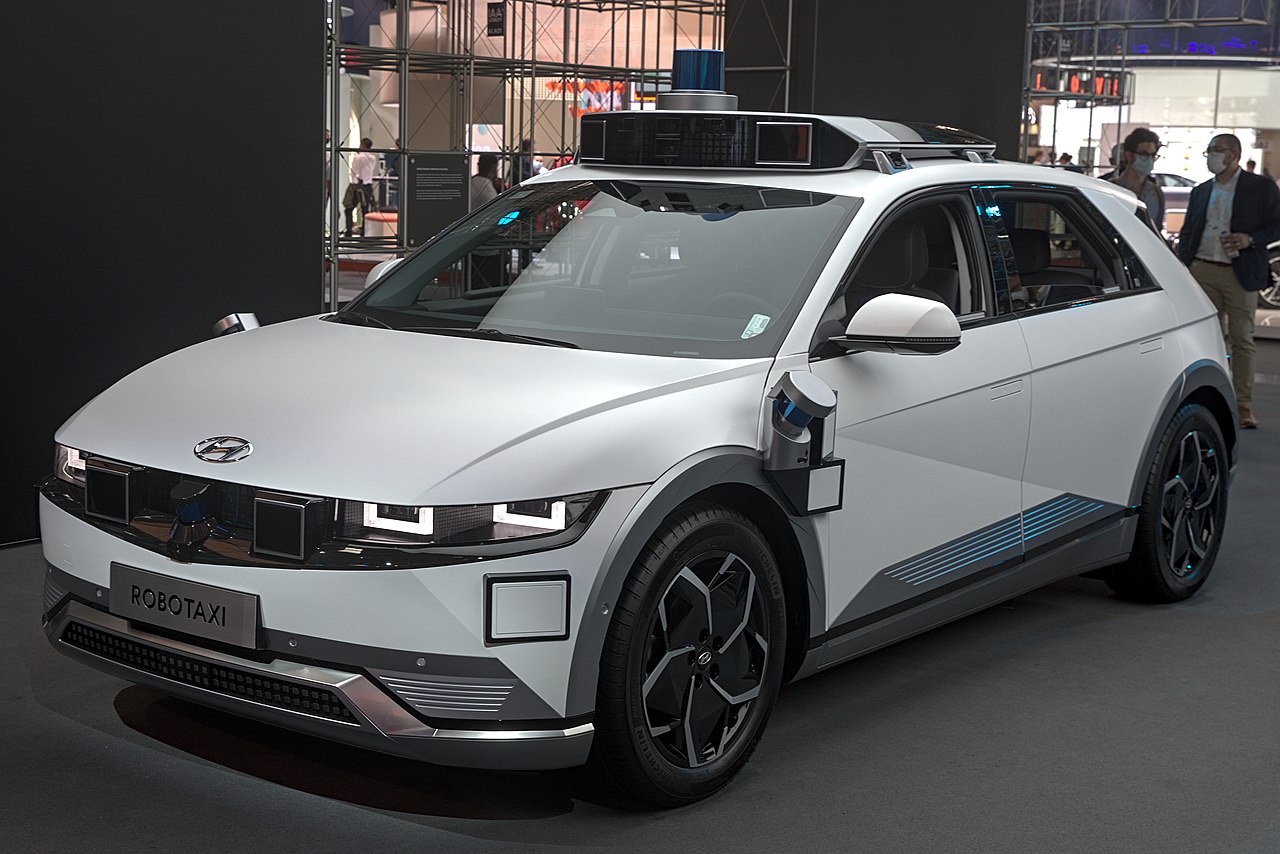
Uber is not putting its own branded cars on the Aviari permit. TechCrunch and InsideEVs both describe the 1,000-vehicle Uber allotment as running through Hyundai subsidiary Motional and Amazon-owned Zoox. Motional’s robotaxi programme uses Hyundai Ioniq 5 crossovers. Zoox already holds a 100-vehicle autonomous network permit and began charging fares in Las Vegas earlier this month; the Review-Journal put the launch fleet at 64 pods last week.
Local taxi and livery operators opposed the permits at the hearing, TechCrunch reported, arguing the market and the Strip-adjacent Golden Triangle would be oversaturated. Uber has argued for a mixed human-and-robotaxi network; Waymo and Tesla are not making that the centre of their pitch. Claims about new depot jobs versus displaced drivers remain advocacy, not measured outcomes — this post does not treat either forecast as fact.
For shoppers comparing a US Model Y to this week’s headlines: a robotaxi fleet permit does not change the retail car’s range, price, or availability on GetEVCar. It does signal that Tesla intends to run the same crossover as a supervised driverless taxi in a dense US metro, with depot charging and inspection rules still sitting in front of any public fare. Watch the NTA rate filing and the aviation-department airport decision before treating Las Vegas robotaxi rides as bookable.