The United Arab Emirates’ transition from a hydrocarbon-dependent economy to a global leader in sustainable mobility is most clearly reflected in the rapid development of its electric vehicle (EV) charging infrastructure. By early 2026, the country has reached major milestones in hardware deployment, regulatory maturity, and nationwide interoperability.
At the core of this transformation is Type 2 alternating current (AC) charging, which now forms the foundational layer of the UAE’s urban EV ecosystem. This shift represents more than a technical upgrade—it signals a fundamental change in urban planning, energy governance, and transportation strategy.
Aligned with the UAE National Electric Vehicles Policy and the Net Zero 2050 Strategy, the nation aims to ensure that 50% of all vehicles are electric or hybrid by mid-century. The progress achieved between 2025 and 2026 demonstrates that this goal is no longer aspirational but structurally achievable.
The Strategic Role of Type 2 Charging in the UAE
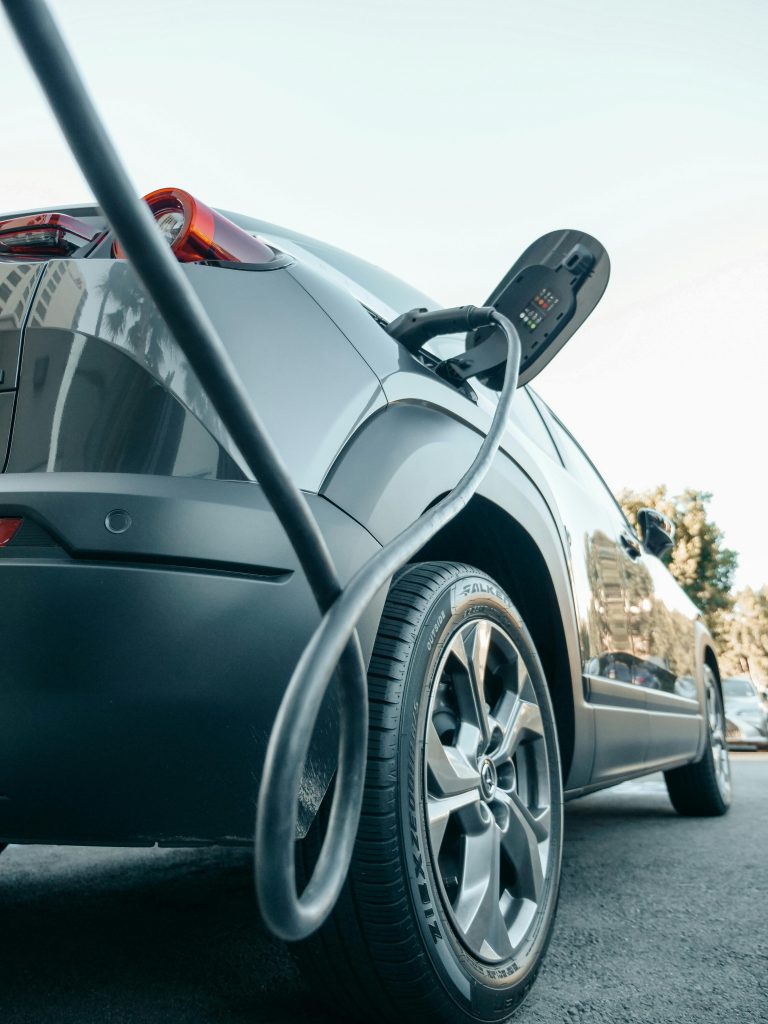
Why Type 2 Became the National Standard
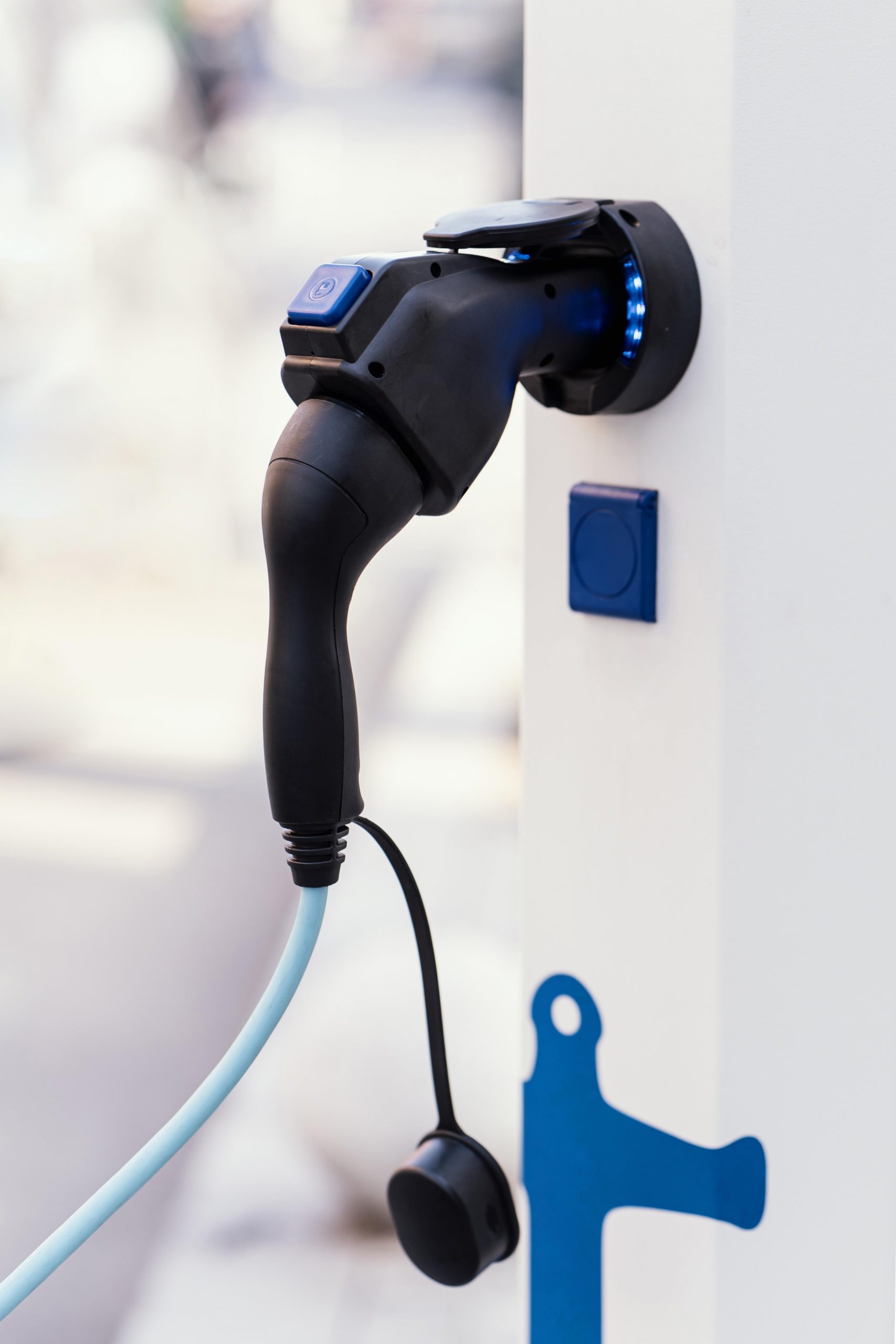
The Type 2 (Mennekes) connector, defined under IEC 62196-2, has been standardized across all seven emirates to ensure safety, interoperability, and scalability. This decision aligns the UAE with European automotive specifications, which is particularly relevant given that many EVs sold locally originate from European and Chinese manufacturers.
Type 2 charging is primarily used for Mode 3 charging, where vehicles connect to dedicated charging stations equipped with built-in control and protection systems.
Technical Characteristics of Type 2 Charging
Type 2 chargers support a wide range of power outputs, from residential single-phase systems to high-capacity three-phase public installations.
Power calculation formula:
P = V × I × √3 × PFWhere:
- P = Power (kW)
- V = Voltage (typically 400V for three-phase systems in the UAE)
- I = Current (Amperes)
- PF = Power Factor
Public destination chargers in the UAE are commonly configured at 22 kW per socket, making them ideal for locations where vehicles remain parked for several hours, such as malls, offices, and hotels.
Common Type 2 Charger Categories in the UAE
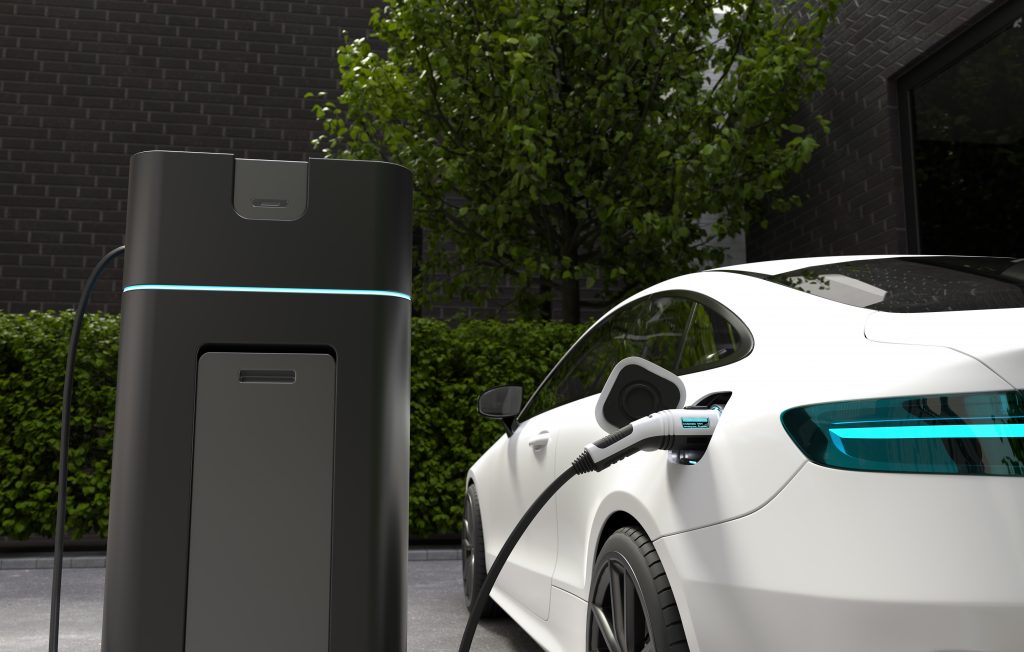
| Charger Category | Power Output | Voltage / Phase | Common Applications |
|---|---|---|---|
| Residential Wall-box | 7.4 kW – 22 kW | Single / Three-phase | Villas, Apartments |
| Public Destination | 2 × 22 kW | Three-phase | Malls, Parks, Offices |
| Fast AC Unit | 43 kW | Three-phase | Petrol stations, Quick stops |
| Ultra-Fast Ancillary | 22 kW AC (integrated) | DC/AC Hybrid | Highway transit hubs |
The dominance of 22 kW AC charging is strategically important, as it balances faster charging with grid stability—especially during peak summer cooling demand. Most EVs sold in the UAE support 11 kW or 22 kW onboard charging, allowing them to fully utilize this infrastructure.
Dubai: The Benchmark for Urban EV Charging
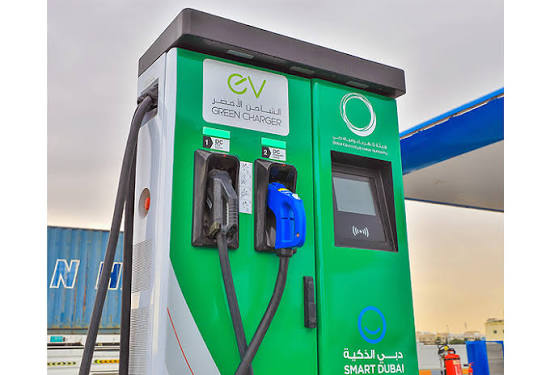
DEWA Green Charger Network
Dubai leads the region with the most advanced EV charging ecosystem. By mid-2025, the emirate had deployed over 1,270 public chargers, driven by the DEWA Green Charger initiative, launched in 2014.
This network is fully integrated with Dubai’s smart grid, enabling real-time energy management and usage optimization. Deployment focuses heavily on high-dwell locations, where vehicles naturally remain stationary during work or leisure.
Strategic Spatial Clusters in Dubai
Rather than uniform distribution, Dubai follows a cluster-based charging strategy, aligned with population density and economic activity.
Key Charging Zones and Hubs
| Dubai Sub-District | Primary Charging Hubs | Charger Focus |
|---|---|---|
| Downtown Dubai | Dubai Mall, Burj Khalifa, Emaar Blvd | Type 2 & Tesla Superchargers |
| Al Barsha / SZR | Mall of the Emirates, My City Centre | 22 kW Type 2 |
| Jumeirah / Al Wasl | City Walk, Mercato Mall | Premium destination chargers |
| Jebel Ali / Dubai South | Expo City, Ibn Battuta Mall | Transit & logistics nodes |
| Deira / Bur Dubai | Dubai Hospital, Al Seef | Public service & heritage sites |
Hospitals, government offices, and RTA facilities are also equipped with Type 2 chargers, ensuring accessibility during essential visits.
User Experience and Operational Integration
DEWA offers seamless access via:
- Green Charger cards
- UAE Pass authentication
- QR-code activation
- Guest charging packages
A partnership with Parkin has extended charging into street-side parking, solving access challenges for residents in older buildings without private parking facilities.
Abu Dhabi: Speed-Focused Infrastructure Expansion
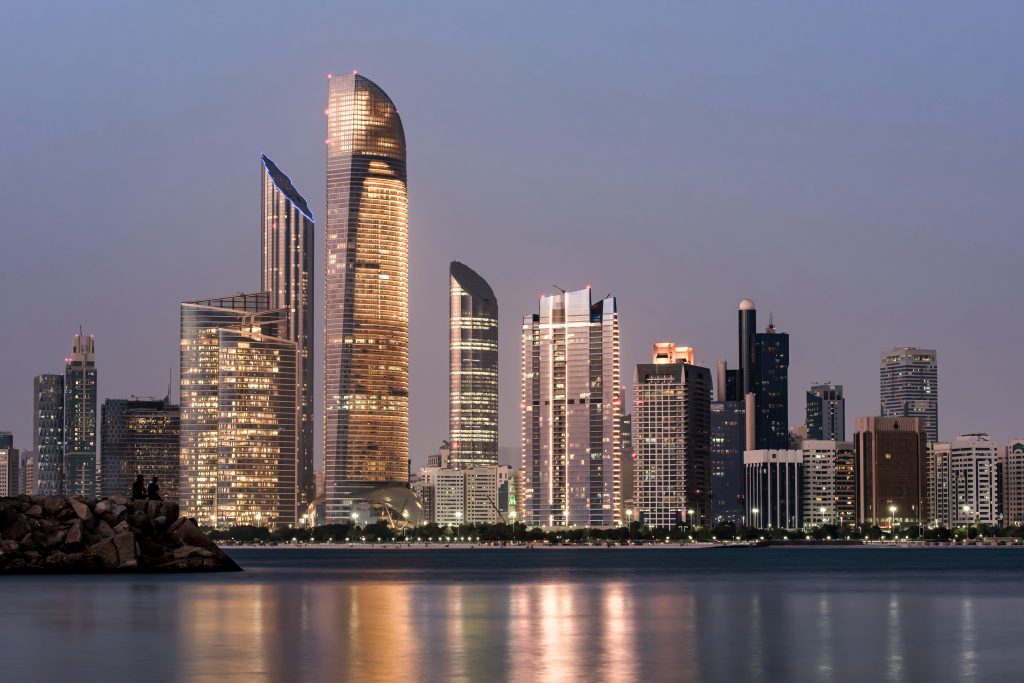
Barq Network and ADNOC E2GO
Abu Dhabi’s strategy emphasizes high-capacity and ultra-fast charging. In early 2026, the Department of Energy and TAQA Distribution launched the Barq network, featuring 360 kW ultra-fast chargers capable of delivering 100 km of range in approximately three minutes.
Each Barq site also includes Type 2 AC chargers, ensuring compatibility with all EVs.
Landmark Charging Locations
| Site | Provider | Configuration | Amenities |
|---|---|---|---|
| Abu Dhabi Corniche | ADNOC E2GO | 150 kW DC + Type 2 | 24/7, Dining, WiFi |
| Manarat Al Saadiyat | Barq | 360 kW + Type 2 | Cultural district |
| Yas Mall | Tesla Destination | 35 × 22 kW | Retail access |
| Masdar City | ADNOC / Masdar | CHAdeMO + Type 2 | Green-tech hub |
The ADNOC Corniche station stands out for its AI-powered Plug & Charge system, which automatically identifies vehicles and processes payments without user input.
Federal Integration: UAEV and the Northern Emirates
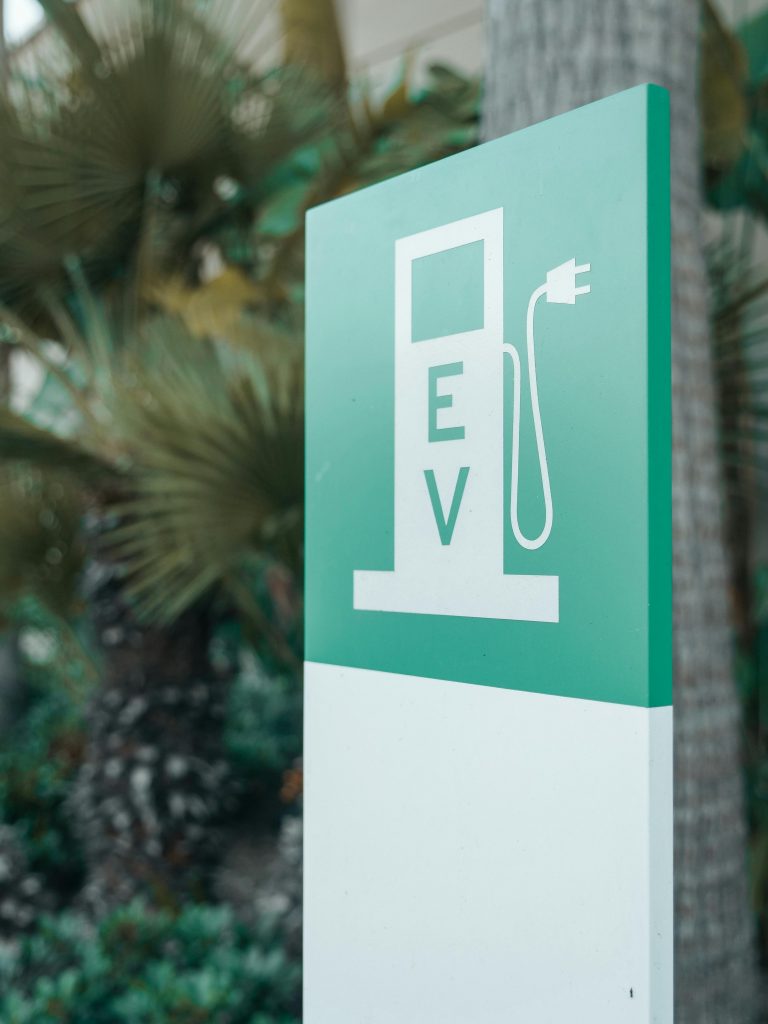
To eliminate inter-emirate fragmentation, the federal government launched UAEV, targeting 1,000 chargers by 2030, particularly along highways and transit corridors.
Ajman Integrated Charging Hub
Opened in January 2026, the Ajman hub is the largest in the Northern Emirates:
- 20 simultaneous charging bays
- One 400 kW ultra-fast charger
- Strategic gateway between Dubai, Sharjah, RAK, and Fujairah
Northern Emirates Charging Expansion
| Location | Emirate | Provider | Features |
|---|---|---|---|
| Ajman Integrated Hub | Ajman | UAEV | 20 bays, 400 kW |
| Al Naeem Mall | Ras Al Khaimah | Tesla / UAEV | 24/7 retail-linked |
| Fujairah Mall | Fujairah | UAEV / Private | Type 2, CCS, CHAdeMO |
| E11 Route | Umm Al Quwain | ADNOC | Transit fast charging |
| Sharjah Sustainable City | Sharjah | Siemens | 80 planned chargers |
Sharjah has also begun regulating charger pricing and operations, signaling a shift toward a stable utility-phase EV market.
Economic Shift: Resolution 81 and Paid Charging
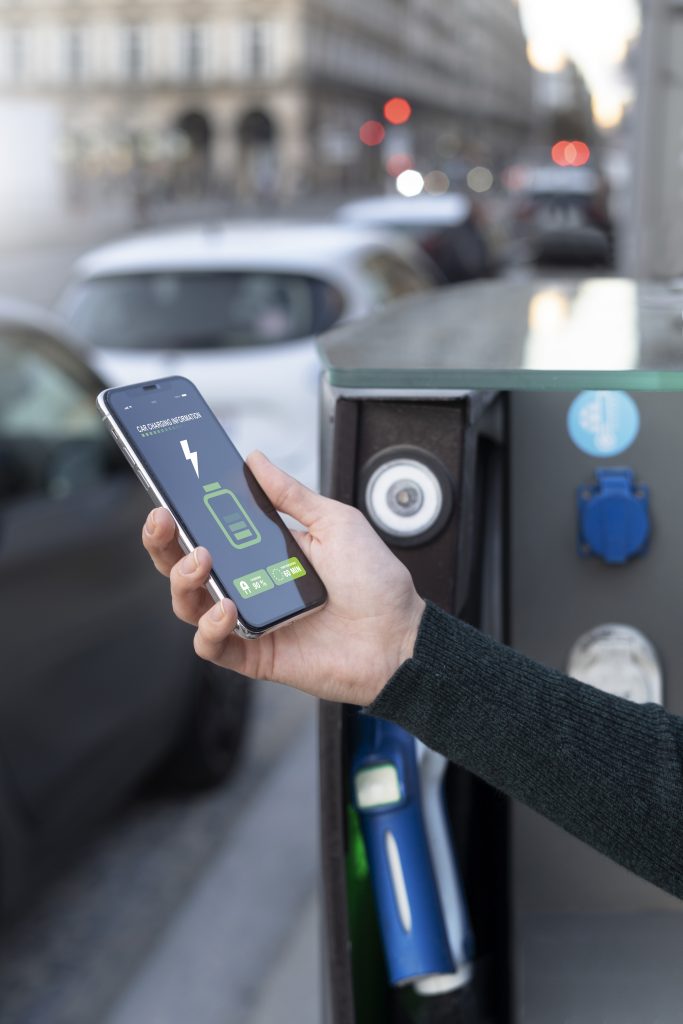
Transition from Free to Paid Charging
In 2025, UAE Cabinet Resolution No. 81 of 2024 standardized public charging tariffs nationwide, replacing free charging with a sustainable user-pays model.
Unified Tariff Structure
| Charging Type | Base Rate (AED/kWh) | With 5% VAT |
|---|---|---|
| AC Type 2 | 0.70 | 0.735 |
| DC Fast / Ultra-fast | 1.20 | 1.26 |
Additional costs include:
- Idle fees (up to AED 4/min)
- DEWA refundable deposit (AED 500)
- Abu Dhabi municipality fee (AED 92/month for charger owners)
Despite these fees, EV charging remains over 60% cheaper than petrol, with a 60 kWh AC charge costing ~44 AED versus 120–150 AED for gasoline.
Private Networks and Interoperability
Private operators complement the public network, especially in premium and hospitality locations.
| Network | Focus | Key Locations |
|---|---|---|
| GreenParking | Premium / Cross-border | City Walk, JBR |
| Tesla Destination | Hospitality | Armani Hotel, BurJuman |
| Al-Futtaim Moov | Retail & Showrooms | Festival City |
| Siemens | Sustainable Communities | Sharjah Sustainable City |
| ChargePoint | Commercial Fleets | JAFZA, Business Bay |
Tesla’s decision to open its fast-charging network to non-Tesla vehicles has significantly increased charging accessibility.
Home and Commercial Charging Growth
With paid public charging, home charging has surged due to lower electricity rates (as low as 23 fils/kWh).
Installation Requirements
- Villas: Utility approval and load assessment
- Apartments: NOC from building management and possible load upgrades
- Commercial buildings: Dual Type 2 chargers increasingly common
A 7.4 kW charger typically charges a 60 kWh battery overnight, while 22 kW chargers are ideal for offices and retail locations.
Future Outlook: 2026–2030
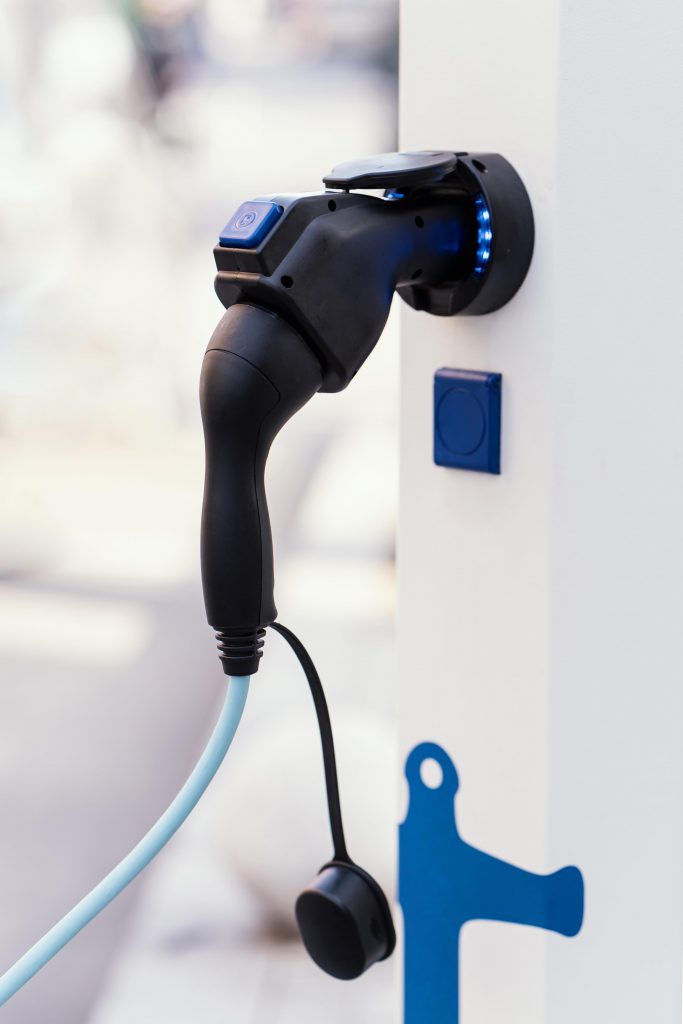
By 2030, charging saturation is expected to rival traditional fuel infrastructure, with:
- 70,000 chargers planned in Abu Dhabi
- 1,000 federal highway fast chargers
- Nationwide reduction of “range anxiety”
Emerging Technologies
- Solid-state batteries (faster charging, longer lifespan)
- Vehicle-to-Grid (V2G) integration
- Autonomous charging hubs for driverless EVs
Strategic Conclusions
- Dubai leads in destination and lifestyle charging
- Abu Dhabi dominates ultra-fast transit charging
- Northern Emirates achieve connectivity through UAEV
- Paid charging has matured the market and attracted investment
As the UAE advances toward its Net Zero 2050 vision, the Type 2 charger stands as the most visible symbol of the nation’s electric transformation.
The infrastructure is ready. The regulation is clear. The future of mobility in the UAE is electric.