




EV Tax Credits 2025: Everything You Need to Know

Tax credits calculation

The Inflation Reduction Act transformed EV incentives in the United States. Here’s your complete guide to maximizing savings on your next electric vehicle purchase.

Federal EV Tax Credit Basics

The federal government offers up to $7,500 in tax credits for qualifying new electric vehicles. The credit is now split into two parts:

  • $3,750 for meeting battery component requirements
  • $3,750 for meeting critical mineral requirements

Qualifying Vehicles in 2025

To qualify for the full credit, vehicles must:

  • Be assembled in North America
  • Have an MSRP under $55,000 (cars) or $80,000 (SUVs/trucks)
  • Meet battery sourcing requirements

Vehicles Qualifying for Full $7,500 Credit:

  • Chevrolet Bolt EV/EUV
  • Chevrolet Equinox EV
  • Ford F-150 Lightning
  • Tesla Model 3 (various trims)
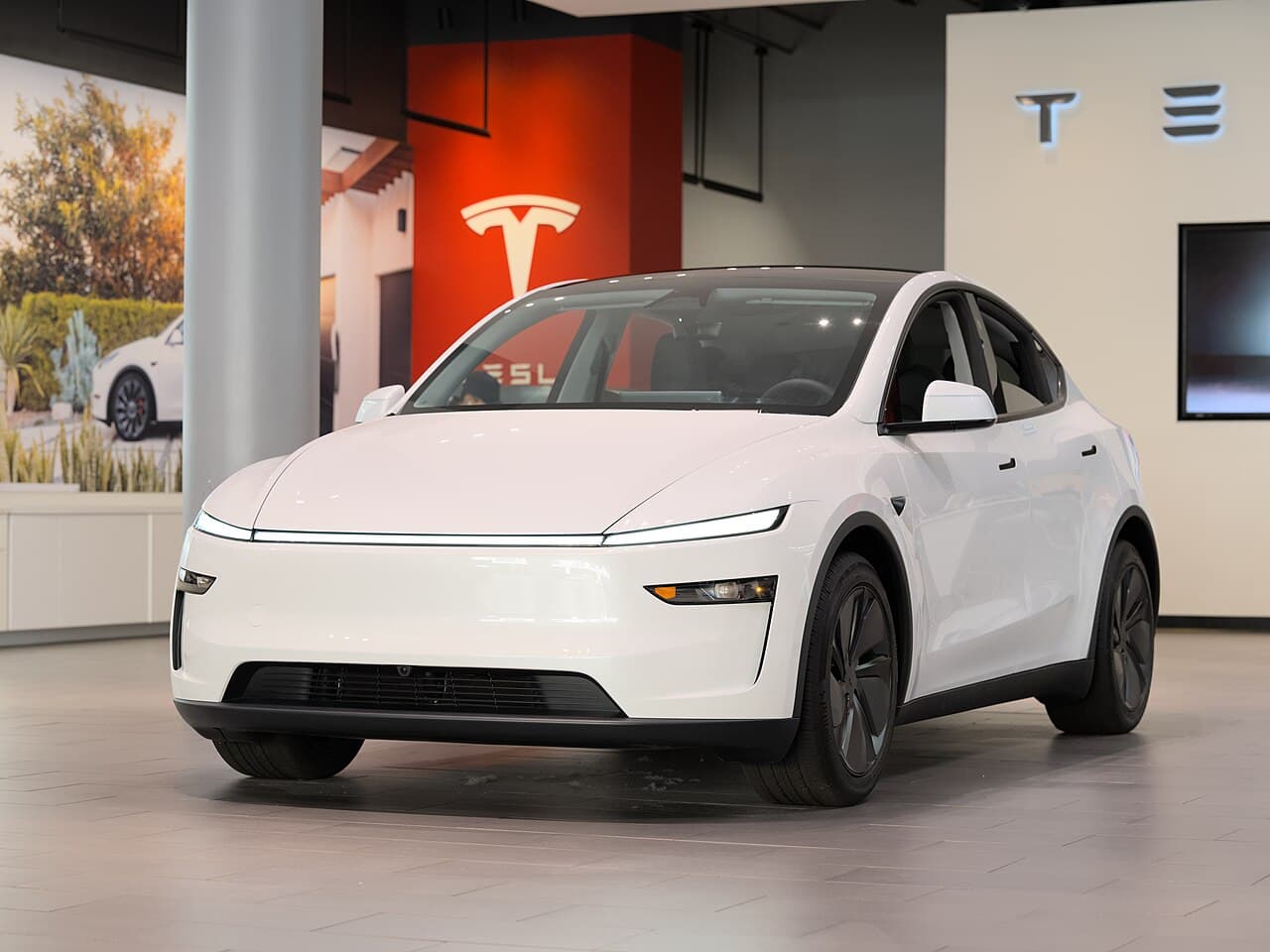
  • Tesla Model Y (various trims)
  • Rivian R1T and R1S (with binding agreements)

Income Limits

Your modified adjusted gross income must be below:

  • $150,000 for single filers
  • $225,000 for head of household
  • $300,000 for married filing jointly

Point-of-Sale Credit Transfer

New for 2024-2025: You can transfer your tax credit to the dealer at the time of purchase, effectively reducing your purchase price immediately. No more waiting until tax time!

Used EV Tax Credit

Buying used? You may qualify for up to $4,000 (or 30% of the sale price, whichever is less) for qualifying used EVs:

  • Vehicle must be at least 2 years old
  • Purchase price must be $25,000 or less
  • Must be purchased from a licensed dealer
  • Lower income limits apply ($75,000 single / $150,000 joint)

State and Local Incentives

Don’t forget to check for additional savings:

  • California: Up to $7,500 additional through CVRP
  • Colorado: $5,000 state tax credit
  • New Jersey: Up to $4,000 rebate
  • New York: Up to $2,000 rebate

Home Charger Tax Credit

The 30C tax credit covers 30% of home charger installation costs, up to $1,000 for individuals. This includes the charger unit and installation labor.

Pro tip: Stack federal, state, and utility incentives for maximum savings. Some buyers have saved over $15,000 on their EV purchase!

Check the IRS website and your state’s energy office for the most current information, as incentives can change throughout the year.