
Affordable Electric Car: Market Dynamics, Technical Evolution, and Economic Forecasts for 2025-2026

Affordable car

The global automotive sector is currently traversing a period of profound structural change, characterized by the transition from internal combustion engines to electrified powertrains. As of late 2025, the market has moved beyond the early adopter phase, with global electric vehicle (EV) sales reaching a record 2.1 million units in September 2025 alone. This represents a 26% year-over-year increase, signaling that approximately one in four new cars sold globally will be electric by the end of 2026. This rapid expansion is underpinned by a convergence of plummeting battery costs, aggressive manufacturing scaling, and a diverse array of government incentives that are increasingly focused on the “affordable” segment—vehicles typically priced under $35,000 in North America or €25,000 in Europe.   

The concept of affordability, however, is not a static metric; it is influenced by regional median wages, local electricity costs, and total cost of ownership (TCO) variables. In the United States, an affordable EV like the Chevrolet Equinox or Hyundai Ioniq 5 typically costs between $35,000 and $40,000, representing roughly 60% of the median annual wage. In the European Union, the benchmark for affordability is often lower, with models like the Renault 5 and Dacia Spring targeting the €20,000 to €30,000 range, which aligns with approximately 70% of the median wage in major markets like Germany and France. China remains the global leader in driving down price points, with urban-focused EVs like the BYD Seagull and Wuling Bingo priced between $10,000 and $12,000, reflecting 60% to 80% of the median Chinese wage.   

North American Market: Policy Shifts and the Affordability Frontier

In the North American context, the year 2025 serves as a critical junction for the electric vehicle industry. The introduction of the “One Big Beautiful Bill Act” (OBBA) in July 2025 significantly altered the incentive landscape. This legislation established an accelerated sunset for federal tax credits, setting a hard deadline of September 30, 2025, for the $7,500 new EV credit and the $4,000 used EV credit. This policy shift has catalyzed a surge in consumer demand in the preceding months as buyers attempt to lock in savings before the effective price of entry-level models rises by several thousand dollars.   

The Evolution of Entry-Level Models: Nissan and Chevrolet

The 2025 and 2026 model years bring substantial changes to the most affordable vehicles in the United States. The Nissan Leaf, long a staple of the entry-level EV market, continues to hold the line on pricing, with the 2025 base model starting at $29,280. However, the most significant update occurs for the 2026 model year. The 2026 Nissan Leaf S Plus undergoes a transformation from a traditional hatchback into a compact crossover, a change aimed at better aligning the model with consumer preferences for SUVs. This updated version starts at $31,485 and boasts a substantial range increase, offering up to 303 miles on a single charge thanks to its 75 kWh battery. The 2026 Leaf also adopts the NACS AC/DC port, granting it access to the Tesla Supercharger network, which addresses a long-standing infrastructure concern for Nissan owners who previously relied on the declining CHAdeMO standard.   

Chevrolet has positioned the Equinox EV as a cornerstone of its “EVs for Everyone” strategy. The 2025 Chevrolet Equinox EV LT1 starts at $34,995 and provides an EPA-estimated range of 319 miles. Built on General Motors’ Ultium platform, the Equinox EV delivers strong on-road performance with a 220-horsepower motor and fast-charging capabilities that can recover approximately 80% of its range in 30 minutes. The model is currently Chevrolet’s best-selling electric car, serving as a spiritual successor to the Bolt EV while offering the increased cabin space and utility of a compact SUV.   

Key Affordable EV Models in North America (2025-2026)

ModelModel YearMSRP (Incl. Destination)Base Range (Miles)Charging (10-80% DC)
Nissan Leaf S2025$29,280149~40 min 
Chevy Bolt (2nd Gen)2027$28,995255~35 min 
Nissan Leaf S Plus2026$31,485303~35 min 
Fiat 500e2025$32,495149City-focused 
Hyundai Kona Electric2025$34,47020043 min 
Chevrolet Equinox EV2025$34,99531930 min 
Toyota bZ (XLE)2026$36,35031430 min 
Hyundai Ioniq 5 SE2026$36,60031818 min 

Policy Impacts on North American Affordability

The expiration of the $7,500 federal credit on September 30, 2025, represents a significant hurdle for the “mass-market” transition. Under the previous rules, vehicles had to be assembled in North America and meet strict battery sourcing requirements to qualify, with MSRP caps set at $55,000 for sedans and $80,000 for SUVs and trucks. The removal of this incentive, coupled with a sunset on the “leasing loophole” that previously allowed dealers to pass the credit to lessees, is expected to result in a temporary contraction in sales as the effective cost of ownership increases. For example, the Chevrolet Equinox EV, which previously offered a seven-year total cost of ownership savings of $9,000 compared to its gasoline counterpart, will see those savings drop to just $200 once the credit expires.   

European Market Dynamics: City Cars and the Continental Strategy

Europe’s approach to affordable EVs is heavily influenced by dense urban environments and a strong regulatory push toward zero emissions by 2035. The European market is currently witnessing the rebirth of iconic city cars as electric vehicles, with the Renault 5 E-Tech leading the charge. Launched with a starting price of £22,995 (€25,000) for the entry-level “Evolution” trim, the Renault 5 is designed to fill the gap left by the outgoing Renault Zoe.   

The Renault 5 and the Re-urbanization of Mobility

The Renault 5 E-Tech is built on the AmpR Small platform and offers two battery configurations: a 40 kWh pack providing a 193-mile WLTP range and a 52 kWh pack offering up to 250 miles. The vehicle’s design emphasizes both practicality and technology, featuring a 10.1-inch touchscreen with Google Built-In and wireless smartphone integration. A notable technical feature is its bi-directional V2L (Vehicle-to-Load) capability, allowing the car to supply up to 3,700 W of power to external devices, effectively turning the vehicle into a mobile power bank.   

Furthermore, Renault has focused on the circular economy with the R5, using 100% recycled materials for the seat textiles in certain trims and incorporating at least 40 kg of recycled plastics throughout the vehicle. This holistic approach to sustainability is increasingly becoming a competitive differentiator in the European market, where consumers are highly attuned to the environmental footprint of their purchases.   

Dacia Spring: The Price Floor of European Electrification

The Dacia Spring remains the least expensive electric vehicle in Europe, with prices starting at €16,900. In 2025, the Spring received a significant update, including an improved interior and the introduction of new 70 hp and 100 hp motor variants to replace the previous 45 hp and 65 hp engines. Despite its low price, the Spring offers a range of 140 miles (WLTP combined cycle) and features modern safety assists like lane-keeping assist and active emergency braking.   

However, the Spring’s affordability comes with caveats. It achieved only a one-star safety rating from Euro NCAP, and its motorway performance is limited, with a top speed of 78 mph and a tendency to be unsettled by crosswinds. These factors position the Spring as a dedicated city car rather than a primary vehicle for long-distance travel, highlighting the trade-offs inherent in the sub-€20,000 segment.   

Comparative Specs of Affordable European EVs (2025)

ModelPrice (Estimated/Starting)Battery Capacity (kWh)WLTP Range (km/miles)Motor Power (hp)
Dacia Spring€16,90024.3 – 27.0225 km / 140 mi45 – 100 
Renault 5 (40kWh)£22,995 / €25,00040.0310 km / 193 mi120 
Renault 5 (52kWh)£24,995 / €28,00052.0410 km / 250 mi150 
Fiat 500e (Urban)£21,495 (Inc Grant)24.0190 km / 118 mi95 
MG4 (Base)€30,79051.0350 km / 217 mi170 
Leapmotor T03€18,90036.5265 km / 165 mi95 

The “Buy European” Policy and Tariffs

The European automotive landscape is currently embroiled in a geopolitical debate regarding the influx of Chinese-manufactured EVs. The EU introduced additional tariffs in late 2024 to protect local manufacturers from what it considers “irrational competition” and state-subsidized overproduction. Specifically, BYD faces a 17% extra tariff and MG (SAIC) faces a 35% tariff, in addition to the base 10% duty.   

To counter this, countries like France have implemented a “carbon-based” scoring system for EV subsidies (the eco-bonus). This system limits financial aid to vehicles produced in low-emission supply chains, effectively favoring European-made cars and excluding those manufactured in coal-dependent Chinese regions. In response, brands like Leapmotor have formed strategic partnerships with European giants; Stellantis now owns 20% of Leapmotor and assembles the T03 model in Poland to bypass tariffs and provide local service and assistance.   

The Chinese Market: Scale, Integration, and “Involution”

China remains the undisputed global leader in the electric vehicle industry, with 61% of global market share as of September 2025. The primary driver behind China’s success is vertical integration. BYD, for instance, produces its own batteries—which account for roughly 40% of an EV’s cost—and has developed its own chips and software. This internal control allows for significant cost reduction and faster iteration cycles compared to legacy Western automakers who rely on a sprawling network of external suppliers.   

The Rise of the BYD Seagull and Dolphin

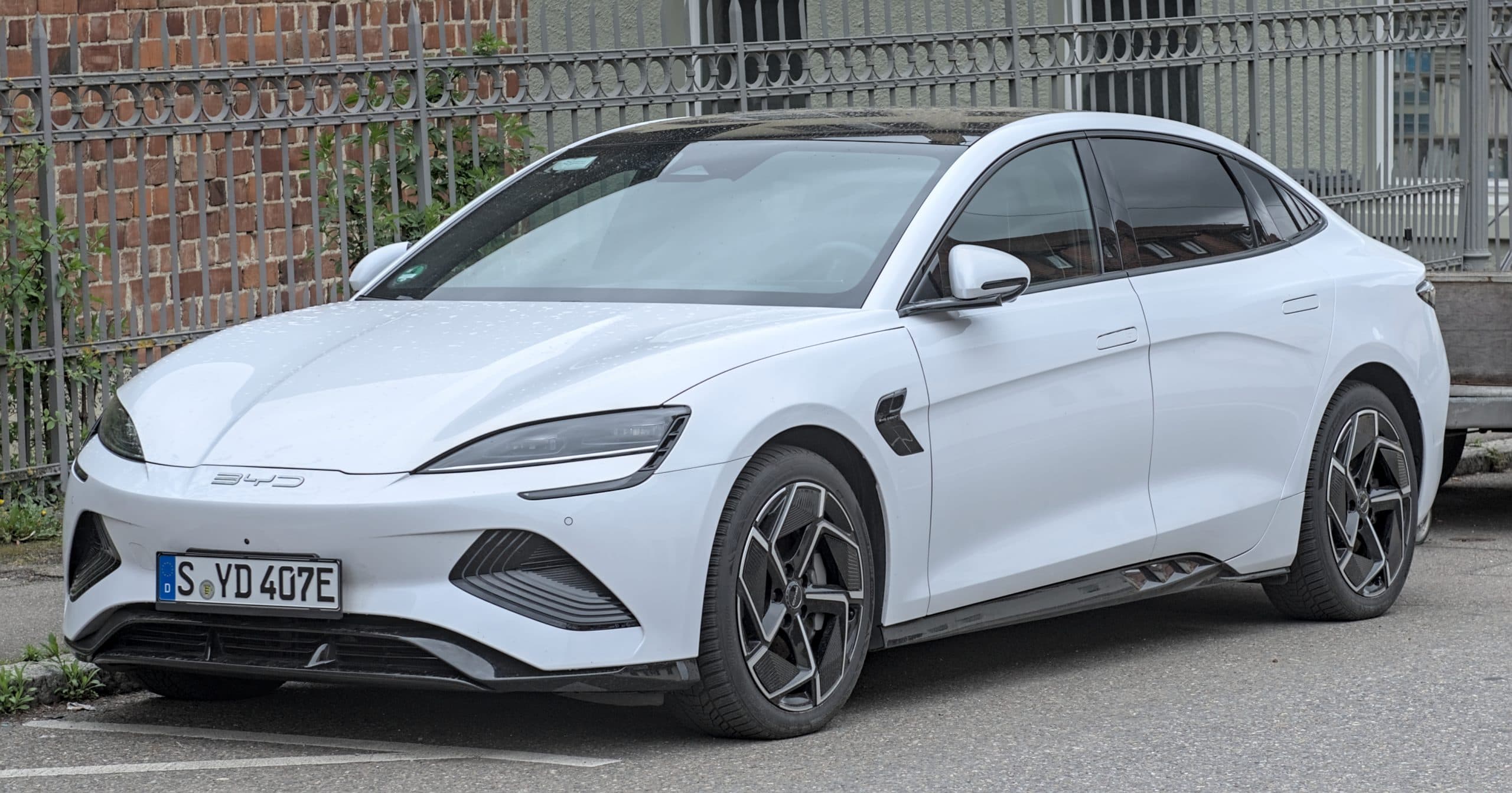
The BYD Seagull has set a new benchmark for global EV affordability. Designed as a budget-friendly urban car, it features BYD’s proprietary Blade Battery technology, which uses a Cell-to-Battery (CTB) chassis to enhance safety and structural rigidity while reducing weight. The Seagull offers a 405 km (CLTC) range and is expected to be a major player in emerging markets like the UAE, Southeast Asia, and Latin America.   

The BYD Dolphin sits slightly higher in the segment, offering a more spacious interior and a 427 km WLTP range in its premium configurations. However, the 2025 market data reveals a shift in the competitive landscape. While BYD once held half of the top 10 sales positions in China, its individual model shares have begun to fluctuate due to “involution”—a state of hyper-competition and price wars where over 400 firms have entered the market, leading to severe profit margin compression.   

Wuling Bingo and the New Era of Compact EVs

SAIC-GM-Wuling has expanded beyond its original hit, the Hongguang Mini EV, with the larger Wuling Bingo (and Binguo). The 2025 Bingo Plus features a 2610 mm wheelbase and a range of up to 510 km (CLTC), positioning it as a direct rival to the BYD Dolphin. Wuling has also introduced the Binguo S, which offers a 525 km range and upgraded features like a 50-watt wireless charging pad and a panoramic camera as standard equipment.   

Top Performing EV Models in the Chinese Market (YTD 2025)

ModelSales (Units Jan-Nov 2025)SegmentKey Feature
Wuling Mini EV480,000+Micro-CarPrice Leadership 
BYD Seagull341,000CompactBlade Battery Safety 
Geely Xingyuan127,000 (Monthly Oct)CompactFast Market Entry 
BYD Qin L278,000SedanHybrid/BEV Mix 
Xiaomi SU7272,000PremiumTech Integration 

The End of the Purchase Tax Exemption

A pivotal shift in China’s strategy occurs at the end of 2025. The 10-year policy of full exemption from the vehicle purchase tax officially concludes on December 31, 2025. Starting January 1, 2026, the tax will be halved, with a maximum per-vehicle subsidy of 15,000 RMB ($2,064). This policy adjustment is intended to encourage manufacturers to compete on product quality and efficiency rather than relying on state support. However, analysts expect this to cause market fluctuations in early 2026, with major brands like Nio and Li Auto already offering “tax guarantee” programs to protect customers from price hikes.   

Technical Frontiers: Battery Chemistry and Infrastructure

The core challenge of EV affordability remains the cost and energy density of the battery. Global battery demand surpassed 1 terawatt-hour in 2025, driven by a global preference for Lithium Iron Phosphate (LFP) cells in the affordable segment. LFP accounted for 48% of global EV batteries in 2024, a figure expected to rise to 65% by 2029 as Western manufacturers increasingly adopt the chemistry for their entry-level models.   

The Potential of Sodium-Ion Batteries (SIBs)

As lithium prices fluctuate, the industry is closely watching the development of sodium-ion batteries. Sodium is approximately 1,000 times more abundant than lithium in the Earth’s crust and significantly cheaper to extract. The International Renewable Energy Agency (IRENA) projects that sodium-ion cell costs could drop to $40/kWh once production scales—a significant reduction from the ~$100/kWh benchmark for lithium-ion. While SIBs have lower energy density, they offer better performance in extreme temperatures and are highly suitable for urban micro-mobility and short-range commuter cars. Chinese firms like CATL (with their Naxtra line) and BYD are expected to begin mass production of sodium-powered vehicles by 2026.   

Solid-State and Semi-Solid-State Outlook

Further technological innovation is focused on solid-state and semi-solid-state batteries. Semi-solid-state batteries are beginning to see small-batch commercialization in high-end EVs and electric vertical take-off and landing (eVTOL) aircraft in late 2025. While these technologies promise vastly improved energy density and safety, their high cost remains a barrier for the budget segment. Global solid-state battery penetration is estimated at only 0.1% in 2025, with projections of 4% by 2030.   

Charging Infrastructure and Standards

Affordability is not just about the vehicle; it is also about the ease of use. In the United States, the federal EV charging infrastructure tax credit has been extended through June 30, 2026, helping to fund the expansion of public and residential networks. The transition to the North American Charging Standard (NACS) is a major trend for 2025-2026, as legacy manufacturers like Nissan and Ford adopt the Tesla-style port to provide their customers with access to more reliable high-speed charging.   

In Europe, Germany is leading the infrastructure push with its “Master Plan Charging Infrastructure II,” aiming for one million public charging points by 2030. This includes the “Deutschlandnetz” initiative, which ensures that fast-charging sites are available within minutes of any location in the country. Such regional efforts are critical for reducing “charging anxiety,” which remains a top barrier for 54% of global consumers considering an EV.   

Total Cost of Ownership (TCO): The Long-Term Economic Calculation

While the upfront purchase price of an EV remains higher than an equivalent gasoline vehicle in many markets, the total cost of ownership often favors the electric option over a typical seven-year ownership period. This is due to a combination of lower energy costs and significantly reduced maintenance requirements.   

Energy Cost Comparison: The “eGallon”

Research from Veloz indicates that charging an EV at home is consistently cheaper than filling a gasoline tank. In the U.S., the average cost to fully charge a 65-75 kWh battery is $12.86, compared to $43.00 for a 14-gallon gasoline tank. This results in a cost of approximately 5 cents per mile for an EV versus 12 cents per mile for an ICE vehicle. These savings accrue over time, allowing heavy commuters who charge fully every other day to reach a “break-even” point—mitigating the higher upfront price of the EV—within roughly two years of ownership.   

Maintenance: Simplicity vs. Complexity

Electric vehicles require less frequent servicing because they lack many of the high-wear components found in combustion engines. A petrol engine typically has over 2,000 moving parts, while an EV motor has fewer than 20. EVs eliminate the need for oil changes (estimated at $130-$200 every 12,000 km), spark plugs, oxygen sensors, and timing belts. Over five years, an EV owner is estimated to spend $6,900 on maintenance, while an ICE owner will spend roughly $11,700—a savings of $4,800.   

Annual Maintenance and Operating Costs (2025 Data)

Vehicle TypeAnnual Service Cost (AUD)Cost per KilometreKey Maintenance Needs
Battery Electric (BEV)$950$0.093Tyres, Cabin Filter, Brake Fluid 
PHEV / Hybrid$1,100 – $1,150$0.137 – $0.143Dual Engine & Battery Systems 
Petrol / Diesel (ICE)$1,280$0.154Oil, Plugs, Timing Belt, Exhaust 
Commercial EV Van~$0.26 / kmN/AHigh-Mileage Efficiency 
Diesel Truck~$0.36 / kmN/AFrequent Filter/Engine Service 

Additional Costs: Insurance and Registration

One area where EVs currently incur higher costs is insurance. On average, EVs cost about $442 more per year to insure than equivalent gasoline vehicles. This is attributed to their higher purchase price, the cost of repairing specialized electronic components, and higher labor costs for qualified EV technicians. Some U.S. states have also proposed or implemented annual EV fees (e.g., $250) to offset the loss of gasoline tax revenue used for road maintenance, though these vary significantly by jurisdiction.   

Reliability, Safety, and Consumer Sentiment

As the number of EVs on the road grows, patterns in reliability and consumer satisfaction are becoming clearer. According to Consumer Reports’ 2025 “Bottom 10” list, electronics and software continue to be the primary source of complaints. For brands like BYD, owners have reported software glitches involving Apple CarPlay connectivity, “neurotic” adaptive cruise control sensors, and weak air conditioning in high-temperature environments.   

Customer Service and Parts Availability

A significant pain point for new EV owners, particularly in Europe and Australasia, is the lack of a mature service network. Some BYD owners have reported waiting months for replacement parts, such as a headlight or a battery charge controller, due to a lack of local inventory and specialized training among dealership staff. This “service gap” is a critical challenge for Chinese brands as they attempt to expand globally and compete with established legacy manufacturers who have decades of infrastructure in place.   

Safety Ratings and ANCAP/Euro NCAP Success

In contrast to early perceptions of budget cars, many affordable EVs from China are achieving high safety marks. The BYD Dolphin and Atto 3 both earned five-star ratings from Euro NCAP and ANCAP, thanks to robust ADAS suites that include 360-degree cameras, emergency lane keeping, and traffic sign recognition. These high ratings are essential for consumer confidence in Western markets, where safety is a top priority for families.   

Strategic Outlook: The 2026 Competitive Landscape

Looking ahead to 2026, the battle for the budget segment will intensify with the arrival of several highly anticipated models.

The MG2 and the Race to £20,000

MG is developing the MG2 (internally referred to as a “pint-sized” electric hatch) to rival the Renault 5 and the BYD Seagull in Europe and Australasia. Expected to launch in 2027, the MG2 aims for a price point near £20,000-£25,000. Unlike some budget offerings, MG executives have emphasized that they are not chasing a “race to the bottom” in terms of price but are instead focused on providing “the most that we can for the best value for money”.   

The Next-Generation Chevrolet Bolt

General Motors has confirmed that the second-generation Chevrolet Bolt will arrive in 2027 with a starting price of approximately $28,995. This model will be critical for maintaining Chevy’s presence in the sub-$30,000 market as the Nissan Leaf pivots toward a more expensive crossover body style.   

Geely Xingyuan and the “Global” Compact Strategy

Geely is aggressively expanding its “Galaxy” brand, with the Xingyuan compact hatch showing strong sales performance in late 2025. Geely’s strategy involves combining accessible pricing with advanced software features—such as integrated AI assistants and premium infotainment—to differentiate its products in a crowded market.   

Strategic Market Penetration Forecast (2025-2026)

Region2025 Market Share (BEV)2026 ProjectionPrimary Growth Driver
China50% (NEV)55%Mature Ecosystem & Price War 
Europe (EU+UK)23%25% – 27%Renault 5 Launch & CO2 Targets 
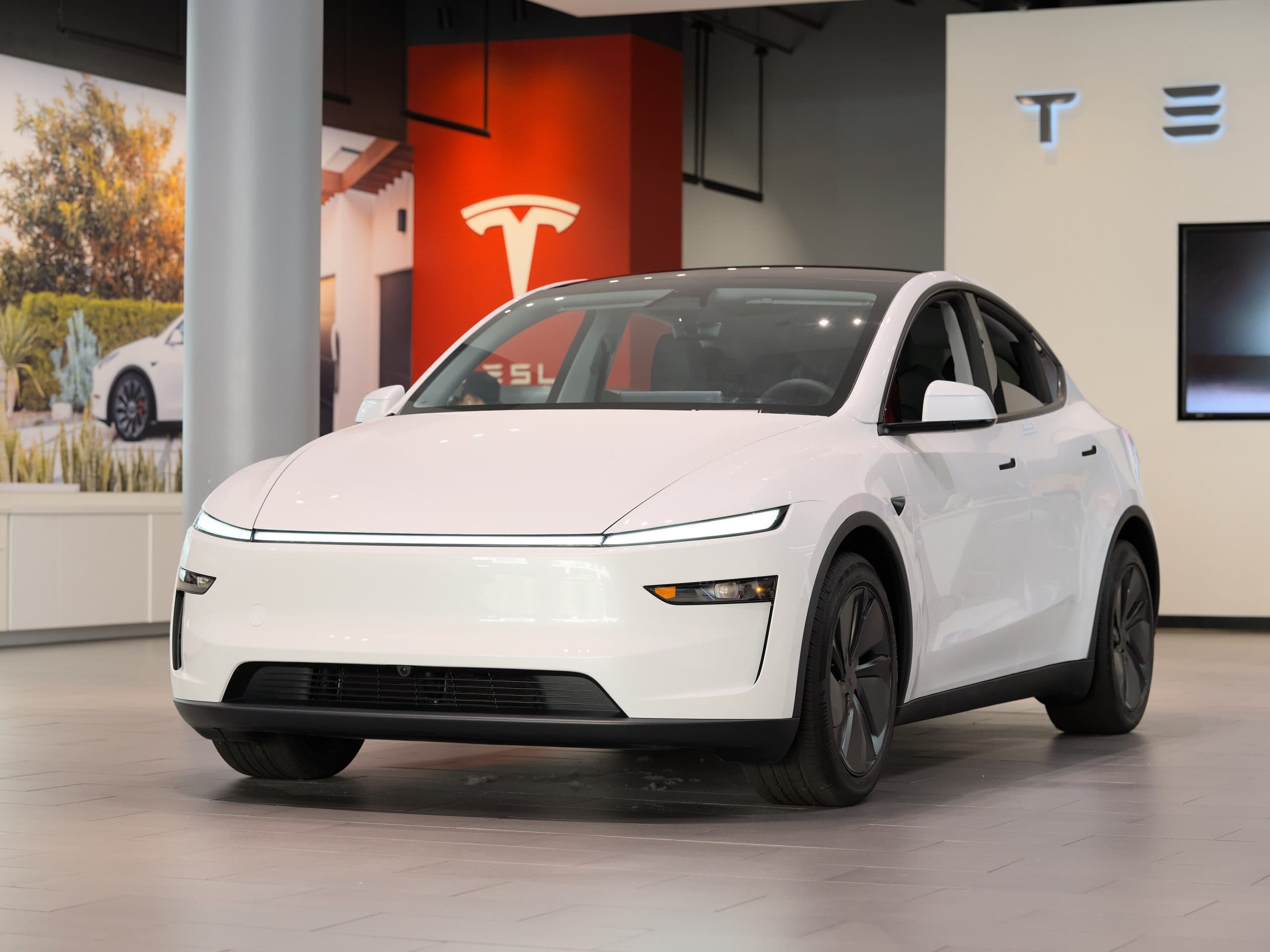
North America7.5% – 10.1%10.2%Cautious Growth / Affordable Tesla Update 
Norway> 90%100% (Target)Policy Mandates & High Infrastructure 
Emerging (India/SEA)< 10%12% – 15%Compact Hatchbacks & Urban Micro-EVs 

Strategic Synthesis and Future Trajectory

The global landscape of affordable electric cars in 2025-2026 is defined by a shift from niche curiosity to mainstream necessity. The “first wave” of electrification was driven by luxury performance and early adopter enthusiasm, but the “second wave” is being powered by the economic reality of the total cost of ownership. The transition is currently caught in a tug-of-war between declining manufacturing costs—driven by battery innovation and Chinese scale—and rising geopolitical friction—expressed through tariffs and domestic content mandates.   

For the consumer, the 2025 model year represents the last window for significant federal subsidies in the United States, while 2026 marks the beginning of a “product-driven” market in China as tax exemptions expire. In Europe, the focus has shifted to the “urbanized” EV, where size and efficiency are prioritized over massive batteries.   

The long-term outlook remains bullish on electrification. By 2030, electric vehicles are projected to displace 5.3 million barrels of oil per day globally. The success of this transition will ultimately depend on the industry’s ability to bridge the “service gap” for new brands, expand fast-charging infrastructure to underserved regions, and successfully commercialize next-generation chemistries like sodium-ion to further drive down the entry price of zero-emission mobility. The 2025-2026 period is not merely a sales milestone; it is the moment the global automotive industry commits fully to the democratization of electric transport.