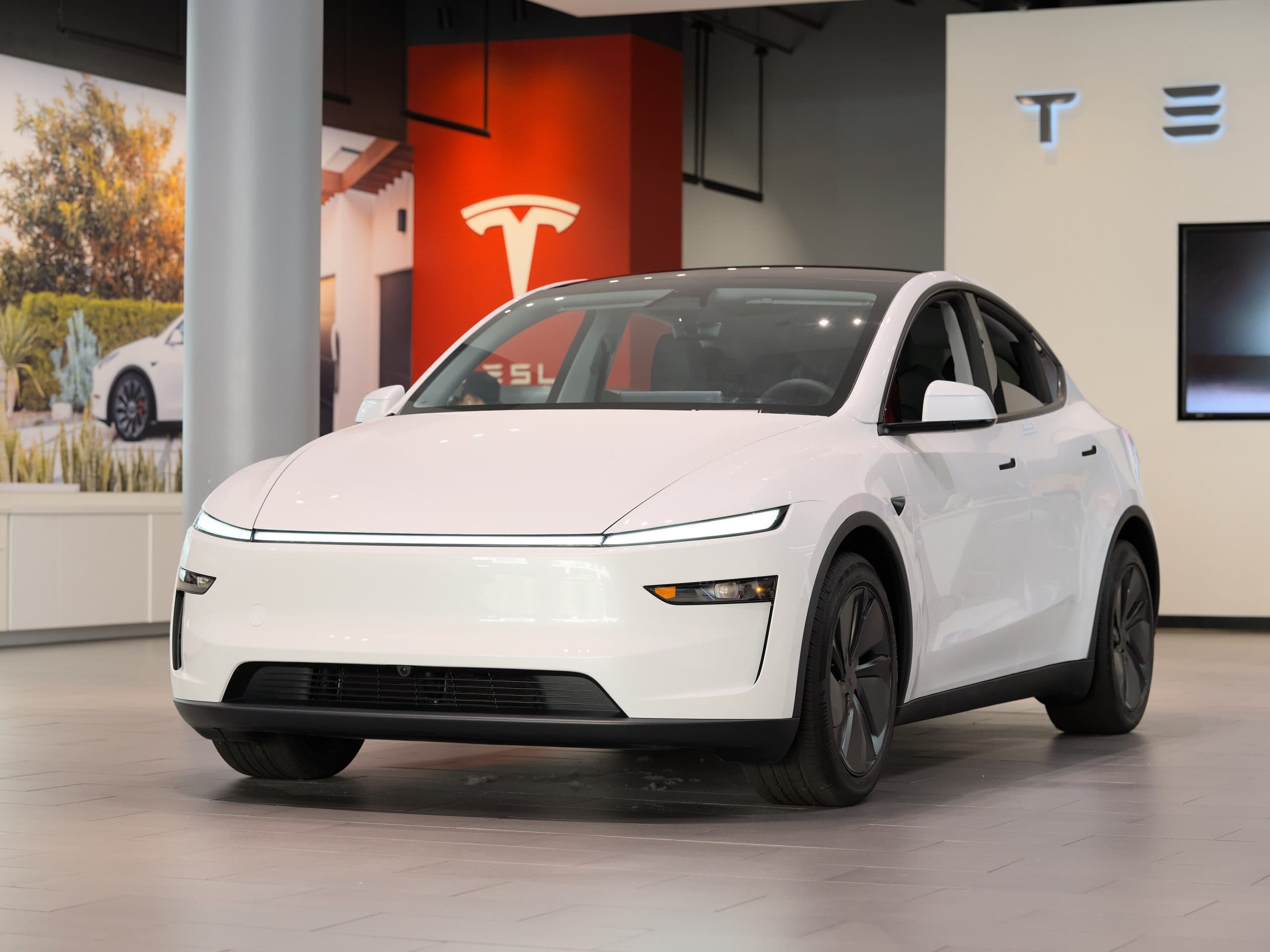
The United Arab Emirates has undergone a systemic transformation in its transportation sector, transitioning from a region traditionally defined by hydrocarbon production to a global benchmark for electrified mobility. This evolution is codified within the National Electric Vehicles Policy of 2023 and the broader Net Zero 2050 strategic initiative, which necessitates a forty percent reduction in transport-related carbon emissions by 2040. As of 2026, the UAE possesses a robust, multi-tiered electric vehicle (EV) charging ecosystem characterized by high-speed corridors, deep integration with retail and hospitality sectors, and a standardized regulatory framework that ensures market sustainability. This report provides an exhaustive examination of the available charging locations, the technical specifications of the infrastructure, the regulatory mandates governing the sector, and the digital tools facilitating user access across all seven emirates.
The Federal Framework and Regulatory Evolution

The acceleration of the UAE’s charging infrastructure is not an incidental occurrence but the result of a coordinated federal strategy led by the Ministry of Energy and Infrastructure. This strategy seeks to harmonize the previously fragmented networks into a unified National EV Charging Network (NEVCN). The government has established a target of installing over one thousand smart charging stations nationwide by 2030, a goal supported by a projected compound annual growth rate of nearly eighteen percent through the early 2030s.
A pivotal moment in the maturation of this market was the implementation of UAE Cabinet Decision No. 81 of 2024, which introduced a standardized tariff structure. This decision formally ended the era of complimentary charging for non-commercial users, replacing it with a consumption-based fee model designed to attract private investment and ensure the long-term maintenance of high-power hardware. The transition to a paid model signals that the UAE has moved beyond the early-adopter phase of EV usage and is now scaling for mass-market penetration.
Technical Standards and Charger Classifications
The technical landscape of the UAE’s infrastructure is divided into distinct categories based on power output and use-case scenarios. This distribution reflects a sophisticated urban planning approach that matches charging speeds with the typical dwell time of drivers in various environments.
| Charger Classification | Nominal Power Output | Connector Standards | Primary Deployment Environments |
| Wall-Box Units | 22 kW AC | Type 2 Socket | Private residences, luxury villas, and long-stay corporate parking |
| Public Chargers | 2 x 22 kW AC | Dual Type 2 Sockets | Community parks, municipal offices, and suburban retail centers |
| Rapid Fast Chargers | 43 kW AC / 50 kW DC | Type 2, CHAdeMO, Combo CCS | Petrol stations, inter-emirate rest stops, and logistical hubs |
| Ultra-Fast Chargers | 150 kW to 350 kW DC | CCS2 (Combo CCS) | Major transit corridors (E11, E311) and commercial fleet depots |
The adoption of the Combo CCS standard has become increasingly prevalent as newer vehicle models from European and American manufacturers dominate the market, while CHAdeMO remains supported primarily for legacy Japanese models and specific taxi fleets.
Dubai: The DEWA Green Charger Ecosystem

Dubai serves as the epicenter of the UAE’s electrified transit strategy. Managed by the Dubai Electricity and Water Authority (DEWA), the Green Charger initiative has expanded from a pilot project of one hundred stations in 2015 to a comprehensive network of over four hundred stations capable of servicing more than seven hundred vehicles simultaneously. The city’s infrastructure is deeply integrated into public service buildings, leisure destinations, and transportation hubs.
Comprehensive Inventory of DEWA Charging Locations
The DEWA network is strategically distributed to ensure that no EV driver is ever more than a few kilometers from a charging point within the urban core. The following table details the primary available locations as of the most recent reporting cycle.
| ID | Charging Location | Category | Specific Context |
| 1 | DEWA Head Office | Government | Customer Happiness Centre |
| 2 | Mohammed Bin Rashid Solar Park | Research | R&D and Innovation Hub |
| 3 | DEWA Sustainable Building | Administrative | Al Quoz Customer Happiness Centre |
| 4 | DEWA Al Hudaiba | Administrative | Customer Happiness Centre |
| 5 | DEWA Jebel Ali Power Station | Industrial | Critical Infrastructure Site |
| 6 | Dubai Silicon Oasis (Head Office) | Business | Technology Park |
| 7 | Dubai Municipality (Al Twar Centre) | Public Service | Administrative Hub |
| 8 | Dubai Municipality (Al Manara) | Public Service | Administrative Hub |
| 9 | Dubai Municipality (Deira) | Public Service | Historical District Hub |
| 10 | Mohammed Bin Rashid Library | Cultural | Two distinct charging zones |
| 11 | Dubai Safari Park | Leisure | Tourism Destination |
| 12 | Nad Al Sheba Park 1 | Community | Residential Recreation |
| 13 | Al Mamzar Park | Community | Coastal Recreation |
| 14 | Rashid Hospital | Healthcare | Major Medical Facility |
| 15 | Dubai Hospital | Healthcare | Major Medical Facility |
| 16 | Dubai Design District (D3) | Creative | Multiple stations in Hai D3 |
| 17 | Dubai International Airport (T1 & T2) | Transport | Aviation Hub |
| 18 | ENOC Hatta | Transit | Mountainous Transit Route |
| 19 | ADNOC Muhaisnah 2 | Transit | High-Traffic Fueling Hub |
| 20 | Sheikh Mohammed bin Rashid Boulevard | Urban Core | Parking zones P2 and P3 |
| 21 | Dubai Marina Mall | Retail | Coastal Shopping Hub |
| 22 | Armani Hotel (Burj Khalifa) | Hospitality | Luxury Tourism |
| 23 | Global Village | Leisure | Seasonal Tourism Hub |
| 24 | Mall of the Emirates | Retail | Levels 2 and 3 |
| 25 | Ibn Battuta Mall | Retail | Parking zones P3 and P6 |
| 26 | Dubai World Trade Centre | Business | Multiple levels and Zabeel Plaza |
| 27 | Club Vista Mare | Leisure | Palm Jumeirah Dining Hub |
| 28 | Dubai South HQ | Business | Expo/Aerospace Hub |
| 29 | Dubai Police (General HQ) | Security | Public Safety Administrative Site |
| 30 | DIFC (Gate District & Gate Village) | Financial | Basement Levels 1, 2, and 3 |
| 31 | RTA Head Office | Transport | Multi-story Parking Basement |
| 32 | Dubai Holding HQ | Business | Corporate Central Hub |
| 33 | Jebel Ali Free Zone (JAFZA) | Industrial | Logistics and Trade Hub |
| 34 | Sustainable City | Residential | Eco-friendly Community |
| 35 | Madinat Jumeirah | Leisure | Traditional Resort Hub |
This granular distribution indicates a strategy of “anchor-based” deployment, where chargers are placed at sites with guaranteed utility (government offices) and sites with high visibility (malls and tourist landmarks) to normalize EV presence in the public eye.
Dubai Consumption Tariffs and Access Protocols
In alignment with federal mandates, DEWA has established a clear pricing structure for its Green Charger network. The differentiation between AC and DC rates reflects the disparate capital requirements for high-power rectification hardware and the increased load they place on the municipal grid.
- AC Charging (Wallbox/Public): AED 0.70 per kWh plus 5% VAT.
- DC Charging (Fast/Ultra-fast): AED 1.20 per kWh plus 5% VAT.
- Security Deposits: Individual non-commercial users must provide a refundable deposit of AED 500, while government entities are exempt.
- Registration Costs: The initial setup for a DEWA EV account, including the issuance of the physical Green Charger card, involves a total fee of approximately AED 520.
To facilitate usage by tourists and residents who may not yet have a permanent DEWA account, a “Guest Mode” is available. Users can scan a QR code on the charger, verify their identity via an OTP sent to their mobile device, and select a pre-paid charging package via credit card. This feature is essential for maintaining Dubai’s status as a world-class tourism destination where rental EVs are becoming increasingly common.
Abu Dhabi: The E2GO and ADNOC Integration
The infrastructure in Abu Dhabi is characterized by its large-scale industrial backing and its integration into the emirate’s broader energy transition. The primary driver of this growth is E2GO, a mobility joint venture between the Abu Dhabi National Energy Company (TAQA) and ADNOC Distribution. This partnership has set a long-term target of seventy thousand charging points by 2030, a figure that represents the most ambitious infrastructure goal in the region.
Strategic ADNOC EV Hubs and Regional Coverage
ADNOC Distribution has converted its service stations into multi-energy hubs, ensuring that EV drivers have access to the same level of convenience as traditional ICE vehicle owners. These stations are particularly critical for connecting the urban core of Abu Dhabi with the Western Region (Al Dhafra) and the city of Al Ain.
| Station Name | Location | Primary Service Type |
| Khalifa Industrial City (662) | Dubai-Abu Dhabi Highway | Ultra-Fast Transit Hub |
| Seih Al Sedairah (West/East) | Mohammed Bin Zayed City | 24/7 Residential/Transit |
| Masdar Park EV Charger | Masdar City | Innovation District Hub |
| Al Raha Beach (173) | Channel Street | Coastal Residential Hub |
| Al Bahia (Al Widayhi) | Al Bahia | Suburban Residential Hub |
| Mahawi North | Al Ain-Abu Dhabi Highway | Strategic Transit Point |
| Al Faya | Abu Dhabi-Al Ain Road | Desert Route Hub |
| Ruwais Housing Complex | Al Ruwais | Western Region Support |
| Hafeet South | Al Ain (Khatem El Shelka Road) | Regional Transit Point |
| Police College | Muroor Road | Public Sector Hub |
| Rabdan | Al Mushrif | Central Urban Site |
| Seih Bin Ammar | Abu Dhabi-Al Ain Road | High-Power Transit Hub |
| Naima | Zakher Ain Al Fayda Road | Al Ain Local Service |
The presence of chargers in locations like Al Dhanna (Ruwais Mall) and Al Mirfa indicates a strategic commitment to eliminate “range anxiety” in the more sparsely populated western areas of the emirate. These stations often feature “Fill & Go” technology, which utilizes AI-powered cameras to recognize a vehicle and its owner’s digital wallet, automating the payment process without user intervention.
Abu Dhabi Tariff Models and Residential Integration

The Abu Dhabi Department of Energy (DoE) has implemented a tariff structure that prioritizes long-term grid sustainability. Unlike the dynamic pricing found in some European markets, Abu Dhabi utilizes a unified rate that reflects the cost of power delivery while maintaining infrastructure investment capacity.
- Public Utility Tariff: AED 0.30 per kWh (30 fils).
- Unmetered Monthly Fee: A flat fee of AED 92 is applied to residents with home chargers until a dedicated sub-meter is installed.
- Sub-metering Mandate: All new residential and commercial developments are now required to include sub-metering infrastructure for EV charging to ensure that consumption is billed at the standardized 30-fils rate, preventing over-subsidization of private energy use.
The 30-fils rate is specifically designed to be competitive with home electricity prices, encouraging residential charging during off-peak hours and reducing the instantaneous load on the national grid during the hottest parts of the day.
The Northern Emirates and the Federal Corridor
Connectivity in the Northern Emirates (Sharjah, Ajman, Umm Al Quwain, Ras Al Khaimah, and Fujairah) is managed primarily through Etihad Water and Electricity (Etihad WE) and the federal UAEV network. The focus in these emirates has been the establishment of an “EV Corridor” along the primary highway systems (E11, E311, and E611) to facilitate seamless inter-emirate travel.
Siemens and the Ultra-Fast Highway Network
A critical component of the Northern Emirates’ infrastructure is the partnership between the Ministry of Energy and Infrastructure and Siemens. This collaboration has resulted in the installation of Sicharge D ultra-fast charging units, which are among the most efficient in the world with a 96% peak efficiency rating.
| Deployment Zone | Charger Technology | Scalability |
| E11 Highway (Multiple Points) | 160 kW Sicharge D | Scalable to 300 kW |
| Ajman Urban Core | 180 kW Ultra-Fast Units | Scalable via external dispensers |
| Ras Al Khaimah Transit Points | 160 kW Units | Real-time cloud monitoring |
| Fujairah (Century Mall/E84) | 180 kW DC Units | Multi-socket support |
| Umm Al Quwain (SZR Corridor) | 160 kW DC Units | Integrated touch interface |
These units are designed to be “future-proof,” allowing operators to increase power output as battery technology evolves, without needing to replace the underlying electrical infrastructure. The cloud connectivity of these chargers allows federal technicians to perform remote diagnostics and software updates, ensuring a high uptime rate for the highway network.
Sharjah: SEWA and the Sustainable City Model
Sharjah has adopted a localized approach through the Sharjah Electricity, Water and Gas Authority (SEWA). The emirate’s strategy balances high-traffic commercial hubs with sustainable residential enclaves.
- SEWA Public Infrastructure: Stations at the Al Majaz Waterfront and the Sharjah Corniche are powered by solar-integrated systems, reflecting the emirate’s focus on renewable energy.
- Sharjah Sustainable City: This landmark development features Siemens Versicharge Gen 3 units. The community is designed to be self-sufficient, with 80 planned charging stations accessible to residents and visitors at rates of AED 0.70 per kWh for standard charging and AED 1.20 per kWh for express services.
- Retail Integration: Major malls like City Centre Sharjah and Al Zahia Mall serve as high-capacity charging nodes, featuring multiple Type 2 and DC fast chargers to accommodate the growing community of EV owners in the industrial and residential areas of Muwaileh.
Tesla: The Paradigm of Vertical Integration
Tesla’s presence in the UAE is a foundational element of the country’s EV ecosystem. By operating a vertically integrated network that includes both high-power Superchargers and Destination Chargers, Tesla has created a unique user experience characterized by “plug-and-charge” convenience.
Supercharger Network Distribution
Tesla’s Supercharger sites in the UAE are strategically located at premium retail destinations and critical highway junctions, offering charging speeds of up to 250 kW at V3 and V4 locations.
| City | Location | No. of Stalls | Technical Notes |
| Dubai | Dubai Mall Za’abeel | 16 | 24/7 Access, 250 kW max |
| Dubai | Mall of the Emirates | 16 | 24/7 Access, 250 kW max |
| Dubai | Al Habtoor City (V Hotel) | 12 | 24/7 Access, SZR Corridor |
| Dubai | Wadi Al Safa (Polo Resort) | 8 | 24/7 Access, E611 Transit |
| Dubai | Meadows Village | 8 | 24/7 Access, Residential hub |
| Dubai | Abu Hail | 8 | Limited hours (6:30 AM-2:00 AM) |
| Abu Dhabi | Al Maryah Island (The Galleria) | 8 | 24/7 Access, 250 kW max |
| Abu Dhabi | Yas Mall (Main Entrance) | 4 | Mall Hours, 250 kW max |
| Abu Dhabi | Yas Mall (Hypermarket LG) | 8 | Mall Hours, 250 kW max |
| Abu Dhabi | Al Mirfa (Abu Dhabi Road) | 8 | 24/7 Access, Western Region |
| Al Ain | Hazza Bin Zayed Stadium | 3 | 24/7 Access, 250 kW max |
| Al Ain | Al Tiwayya | 4 | 24/7 Access, 150 kW max |
| Sharjah | City Centre Sharjah | 8 | Mall Hours, 250 kW max |
| Sharjah | Suyoh Mall | 8 | 24/7 Access, 250 kW max |
| Ajman | City Centre Ajman | 8 | 24/7 Access, 250 kW max |
| RAK | Al Naeem Mall | 8 | 24/7 Access, 250 kW max |
| Fujairah | Century Mall | 8 | 24/7 Access, 250 kW max |
The Tesla network is currently exclusive to Tesla vehicles in the UAE, although global pilot programs suggest a future opening of the network to other EV brands equipped with CCS2 adapters. For Tesla owners, the charging cost is integrated into their digital account, typically ranging from AED 1.20 to AED 1.80 per kWh, with idle fees reaching AED 4 per minute if the vehicle is not moved after the session completes.
Destination Charging and Hospitality Support
Beyond the high-speed Supercharger network, Tesla has installed dozens of “Destination Chargers” at premium hotels and resorts across the emirates. These Level 2 AC chargers are designed for guests staying overnight or visiting for several hours.
- Abu Dhabi: Air Force Officers Club, Deerfield Mall, Dusit Thani, Etihad Towers, Ferrari World, and Qasr Al Sarab Desert Resort.
- Dubai: Armani Hotel, Burj Al Arab, Jumeirah Beach Hotel, and various Madinat Jumeirah resorts.
- Ras Al Khaimah: Ritz Carlton Al Wadi Desert and Cove Rotana Resort.
This hospitality-focused deployment ensures that luxury travelers can venture into the desert or mountain regions with the assurance that their vehicles can be replenished while they utilize the resort’s amenities.
Private Sector Expansion and Competitive Networks

The maturation of the UAE’s EV market has attracted several private charging point operators (CPOs) who offer specialized services for commercial fleets, residential complexes, and mixed-use developments. Networks such as Charge&Go and Regeny are providing a digital-first approach that emphasizes user convenience and smart grid integration.
Charge&Go: The e& Group Infrastructure
Charge&Go, powered by Etisalat Services Holding (e& group), has established a nationwide network of over 200 locations. Their strategy focuses on “high-dwell” urban environments where drivers spend significant time working or residing.
| Location Category | Example Sites | Strategic Rationale |
| Business Districts | Damac Executive Heights (Barsha Heights) | Workplace charging for professionals |
| Mixed-Use Developments | City Walk by Meraas | Retail and residential synergy |
| Commercial Hubs | GITEX Global / DWTC | High-visibility event support |
| Strategic Partner Sites | Selected ENOC/ADNOC stations | Transit corridor augmentation |
Charge&Go is notable for its investment in “Ultra Super EV Chargers,” which are designed to support the next generation of 800V battery architectures. Their platform supports a 99% customer satisfaction target and is working toward powering a segment of its network with 100% renewable energy.
Regeny and GreenParking
Regeny operates as a specialized provider with a focus on ease of access via the Regeny App and RFID fobs. Their network is integrated into residential communities and premium hotels, offering features like remote start, real-time availability status (Green for Available, Blue for In Use), and an “Auto Reload” payment feature that maintains a minimum balance of AED 20.
GreenParking remains a dominant force in the parking management sector, having integrated EV charging into its operations at key Dubai landmarks such as The Beach Mall in JBR and various municipal multi-story car parks. Their chargers are often visible in premium parking spots, providing an added incentive for EV adoption among urban commuters.
The User Journey: Digital Aggregators and Payment Systems
The complexity of navigating multiple CPO networks—DEWA, ADNOC, UAEV, Tesla, and private providers—is simplified for the end-user through a suite of digital tools and aggregator apps. These platforms are essential for inter-emirate travel, where a driver may cross multiple service territories in a single journey.
Leading Digital Platforms for EV Drivers
| Platform | Ownership | Primary Utility |
| DEWA Smart App | Government | Primary gateway for Dubai’s Green Charger network |
| ADNOC Distribution App | Government | Contactless payment and location finder for the E2GO network |
| UAEV App | Federal (MoEI) | Unified app for the federal highway and Northern Emirates network |
| PlugShare | Independent | Global community-driven map with the most accurate UAE charging data |
| ElectroMaps | Independent | Real-time status, plug-type filters, and community reviews |
| Google/Apple Maps | Independent | Standard navigation with integrated charging point data and availability |
The interoperability of these systems is a core focus of the National Electric Vehicles Policy. The goal is the creation of a “National Platform for Electric Vehicles’ Chargers,” which will act as a centralized database for all public and private stations, providing a single source of truth for availability and pricing.
Economic Analysis: The EV Value Proposition
The financial incentive for transitioning to electric mobility remains compelling in the UAE. Despite the standardization of charging fees, the “fuel” cost for an EV is significantly lower than that of an equivalent internal combustion engine vehicle.
| Mobility Scenario | Average Monthly Cost (2,000 km) | Cost per Kilowatt Hour (incl. VAT) |
| Petrol SUV (High Consumption) | AED 800 – 1,200 | N/A (Fuel price indexed monthly) |
| EV (Home Charging) | AED 120 – 200 | ~AED 0.305 |
| EV (Public AC Charging) | AED 296 – 370 | AED 0.74 |
| EV (Public DC Fast Charging) | AED 504 – 630 | AED 1.26 |
For a high-mileage commuter, home charging offers a cost reduction of over 80% compared to a large petrol SUV. Even exclusive reliance on public DC fast chargers results in a nearly 50% saving over petrol costs for a typical family vehicle. When factoring in the one-time installation cost of a home charger (typically AED 2,500 to 4,000) and the lack of traditional engine maintenance, the total cost of ownership (TCO) for EVs in the UAE has reached parity with ICE vehicles as of 2026.
Infrastructure Maintenance and Future Scalability
The UAE’s charging network is entering a phase of operational maturation where the focus is shifting from “coverage” to “reliability.” Early technical challenges, such as voltage faults caused by the use of non-standard converter plugs in high-power DC units, are being addressed through stricter equipment certifications and the deployment of “smart” chargers that can detect and isolate faults at the individual stall level.
Strategic Outlook toward 2030
The future of the UAE’s electrified transit is defined by three primary trends: grid modernization, renewable energy coupling, and heavy-duty electrification.
- Grid Modernization and V2G: The Abu Dhabi Department of Energy and DEWA are exploring Vehicle-to-Grid (V2G) pilot programs. In this model, EVs parked during peak demand periods can discharge electricity back into the grid, acting as a distributed battery system to help stabilize the national power supply.
- Solar-Coupled Charging: To ensure that the environmental benefits of EVs are maximized, new charging hubs are being designed with integrated solar canopies and battery storage systems. This allows the stations to operate independently of the primary grid during daylight hours, reducing the carbon intensity of every kilowatt-hour delivered.
- Real Estate Mandates: Federal guidelines now require that all new residential and commercial developments allocate a minimum of 10% of their parking spaces to be EV-ready. This proactive regulatory stance ensures that the infrastructure grows organically alongside the country’s urban expansion, preventing the “retrofitting bottlenecks” seen in older global cities.
Conclusion
The electric vehicle charging infrastructure in the United Arab Emirates in 2026 represents a world-class achievement in strategic urban planning and cross-sector collaboration. From the high-density DEWA Green Charger network in Dubai to the ambitious E2GO expansion in Abu Dhabi and the ultra-fast federal corridors connecting the Northern Emirates, the country has successfully eliminated the primary barriers to EV adoption. By combining a standardized regulatory framework with a competitive private market and advanced digital tools, the UAE has created a sustainable and resilient ecosystem that not only supports its national environmental goals but also provides a superior economic and operational experience for drivers. As the network continues its march toward seventy thousand points by 2030, the UAE is firmly established as a global pioneer in the transition to the future of mobility.