
Battery Technology
Solid-State Batteries: The Next Revolution in EV Technology
The electric vehicle industry is on the cusp of a major breakthrough with solid-state battery technology. Unlike traditional lithium-ion batteries that use liquid electrolytes, solid-state batteries employ solid electrolytes, promising significant improvements in energy density, safety, and charging speed.
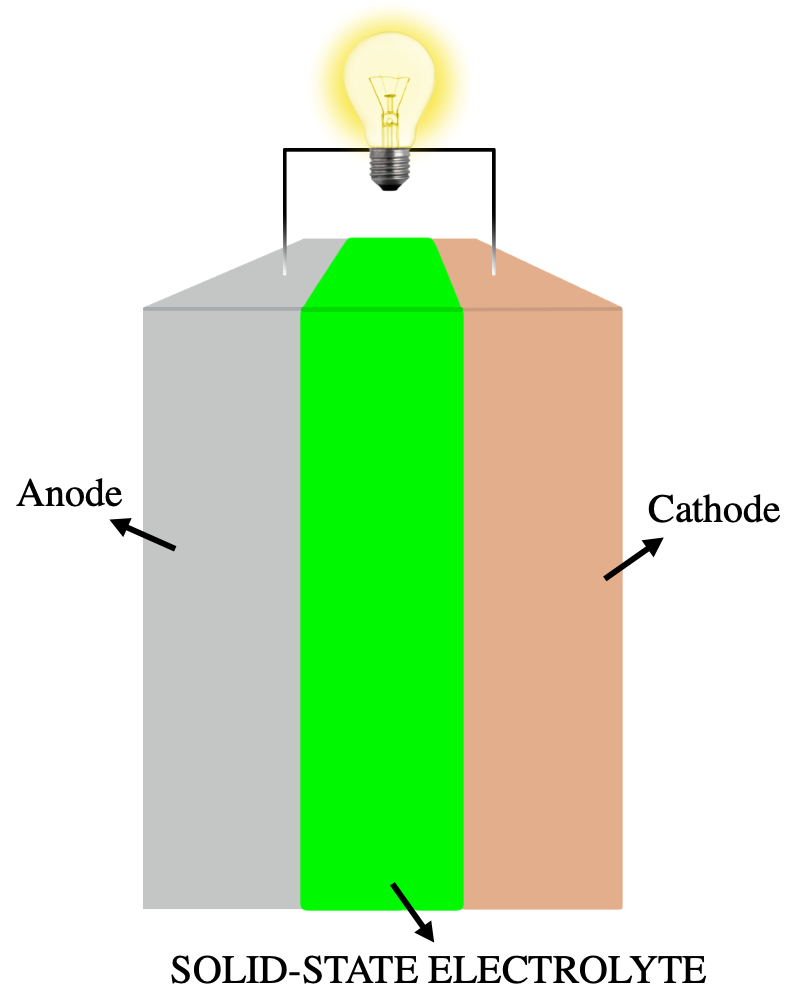
What Makes Solid-State Batteries Different?
Traditional EV batteries rely on liquid electrolytes to move ions between the anode and cathode. Solid-state batteries replace this liquid with a solid material, which offers several advantages:
- Higher Energy Density: Up to 2-3 times more energy storage in the same space
- Faster Charging: Potential for 10-15 minute full charges
- Improved Safety: No flammable liquid electrolyte means reduced fire risk
- Longer Lifespan: Less degradation over charge cycles
Who’s Leading the Charge?
Major automakers and battery manufacturers are racing to commercialize this technology:
- Toyota plans to introduce solid-state batteries in vehicles by 2027-2028
- QuantumScape has partnered with Volkswagen for mass production
- Samsung SDI is developing solid-state cells for premium EVs
- CATL announced breakthrough in sulfide-based solid electrolytes
What This Means for EV Buyers
When solid-state batteries reach mass production, we can expect:
- EVs with 500+ mile ranges becoming standard
- Charging times comparable to filling a gas tank
- Lower long-term ownership costs due to battery longevity
- Lighter vehicles with better performance
“Solid-state batteries represent the biggest leap in EV technology since the introduction of lithium-ion cells. We’re looking at a complete transformation of what’s possible with electric vehicles.”
While widespread adoption is still a few years away, the progress being made suggests that the next generation of EVs will be dramatically better than what’s available today. Stay tuned to GetEVCar for updates on this exciting technology.