The International Energy Agency's 2026 Global EV Outlook paints a market that is growing globally but splitting sharply by region. The Paris-based agency expects roughly 23 million electric cars to be sold worldwide this year, approaching 30 percent of all new passenger vehicles. That headline figure masks a tale of two continents: Europe is accelerating while North America contracts, and the Middle East's largest market is pulling ahead of its neighbours.
According to the IEA, global electric car sales fell about 8 percent in the first quarter of 2026 compared with the same period in 2025, largely reflecting policy shifts in China and the United States. Beneath that aggregate decline, however, many other markets posted strong gains. European sales rose nearly 30 percent year-on-year in Q1, while the Asia-Pacific region outside China jumped 80 percent and Latin America climbed 75 percent. Benchmark Mineral Intelligence reported a record June for Europe, with EV deliveries up 31 percent year-on-year as elevated fuel prices linked to Middle East supply disruption pushed more buyers toward plug-in options.
North America feels the post-credit hangover
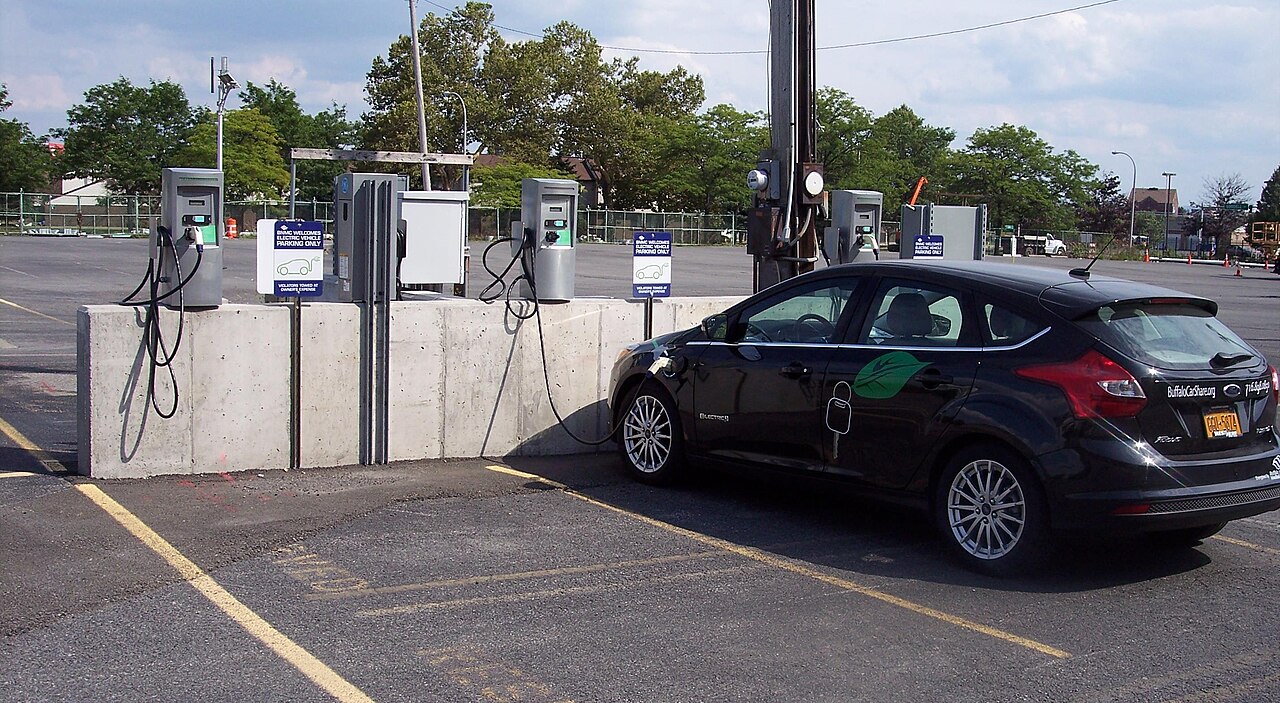
The U.S. market tells a different story. Cox Automotive data cited by industry analysts shows American battery-electric sales fell roughly 24 percent in the first half of 2026 after the $7,500 federal clean-vehicle credit expired on 30 September 2025. Q2 2026 still delivered about 247,000 EVs — the strongest quarter since the incentive ended — but the recovery has not offset the early-year slump. General Motors' U.S. EV volume dropped more than 40 percent in Q2, with the Equinox EV, Blazer EV and Hummer EV all posting steep declines. For buyers comparing options on GetEVCar's U.S. market hub, the lesson is that product fit now matters more than purchase subsidies.
The pain is rippling through the battery supply chain. LG Energy Solution reported on 30 July that second-quarter operating profit fell 77 percent year-on-year to 113.3 billion won, with the company citing weak North American EV demand. Revenue still rose, helped by energy-storage systems and U.S. manufacturing tax credits, but the firm's Ultium Cells joint venture with General Motors has faced temporary shutdowns in Ohio and Tennessee as orders soften.
Europe and the UK keep climbing
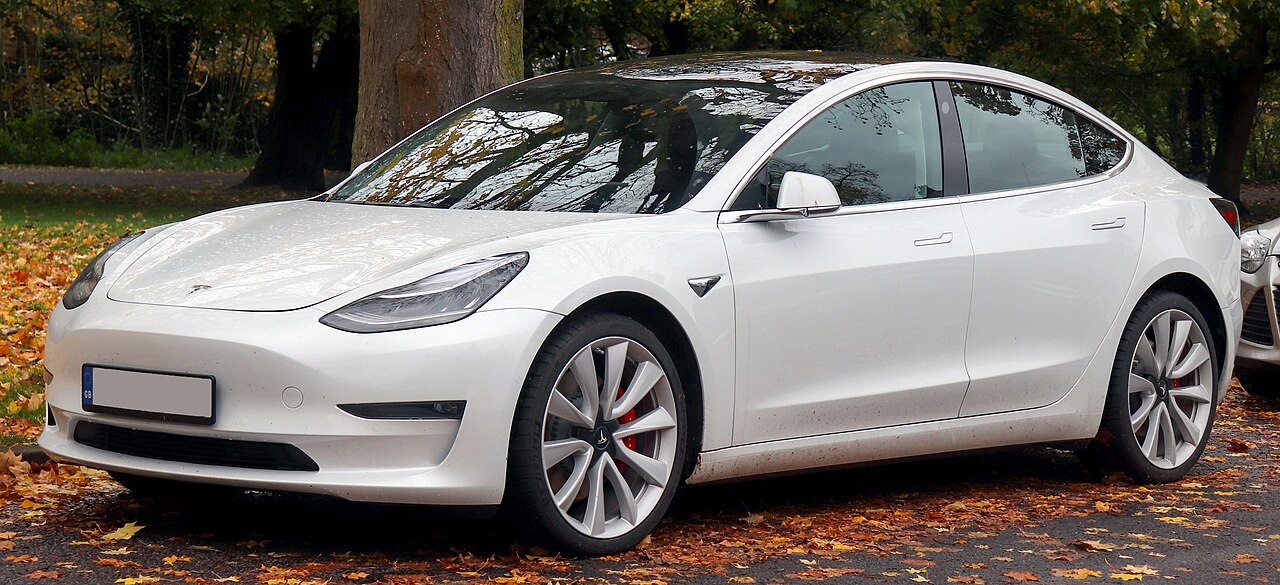
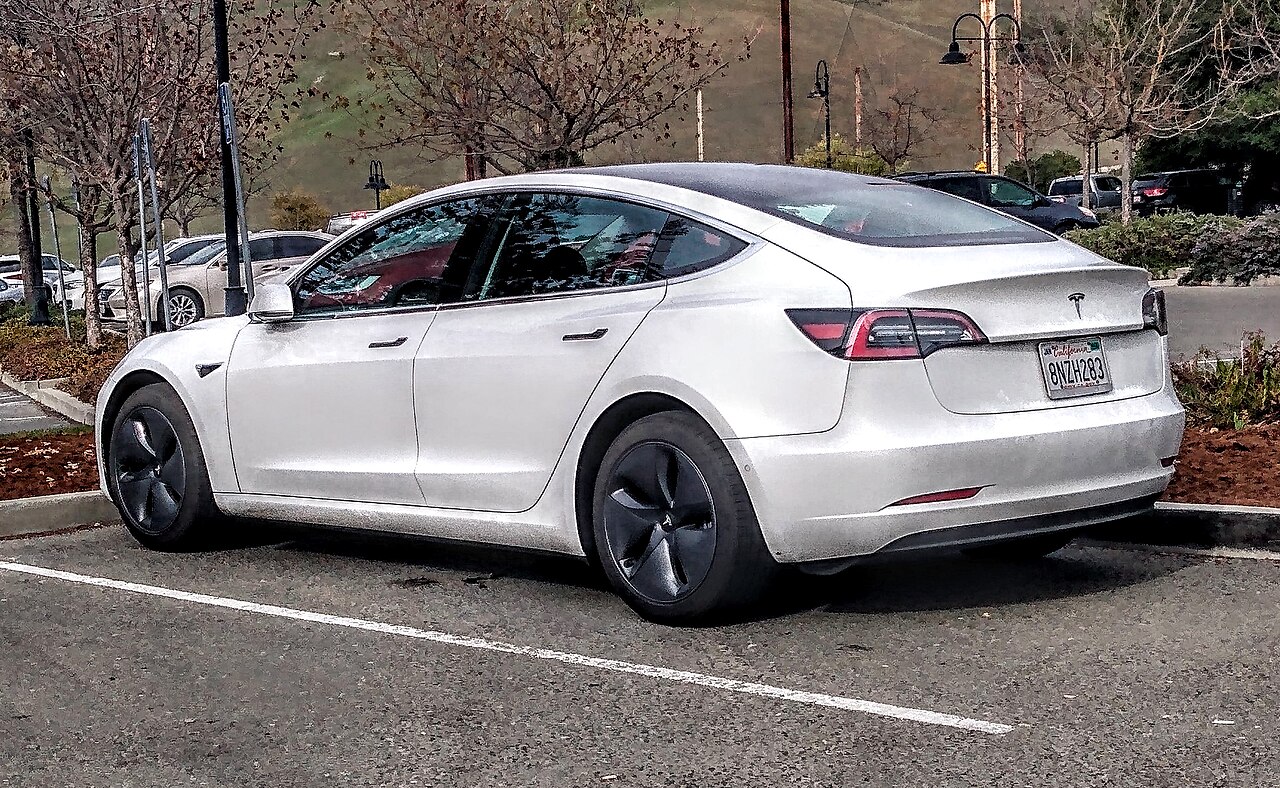
While North America retrenches, Europe is setting monthly records. CleanTechnica analysis of UK registration data shows plug-in vehicles reached 41.4 percent market share in Q2 2026, up from 34.2 percent a year earlier, with full battery-electric cars at 28.1 percent. Tesla remained the top-selling BEV brand in Britain despite share slipping slightly elsewhere. The UK's zero-emission vehicle mandate and modest purchase incentives continue to pull volume upward even as the Treasury confirmed a mileage-based road charge for EVs from April 2028. Shoppers on GetEVCar's UK pages will find one of the world's most mature plug-in markets — though upcoming tax changes may shift total cost of ownership calculations over the next two years.
UAE leads the Middle East
The IEA Outlook also highlights the United Arab Emirates as the Middle East's dominant EV market for the second consecutive year, accounting for roughly half of regional sales. Ministry officials credit the 2023 National Electric Vehicles Policy, expanded charging via UAEV, and manufacturer interest in the Emirates as growth drivers. Local reporting earlier this summer noted that import delays linked to Strait of Hormuz shipping disruption have stretched waitlists for popular Chinese-built models to three or five months — a supply constraint that has not yet dampened demand, which industry executives say is running 15 to 20 percent above 2025 levels.
What it means for buyers
The global EV transition is not pausing, but it is no longer uniform. Policy, energy prices and product competitiveness are reshaping where growth happens fastest. For getevcar.com readers, the regional split matters directly: European and Gulf buyers face expanding choice and infrastructure, while American shoppers must weigh models on merit rather than federal credits. The IEA projects the global EV fleet could exceed 500 million vehicles by 2035 even without new policy announcements — a reminder that today's regional volatility sits atop a long-term structural shift rather than a reversal.
Sources: International Energy Agency Global EV Outlook 2026; Benchmark Mineral Intelligence (June 2026); Cox Automotive / Kelley Blue Book estimates via industry reporting; CleanTechnica UK Q2 2026 analysis; Aju Business Daily (LG Energy Solution Q2, 30 July 2026); regional trade press on UAE EV demand.