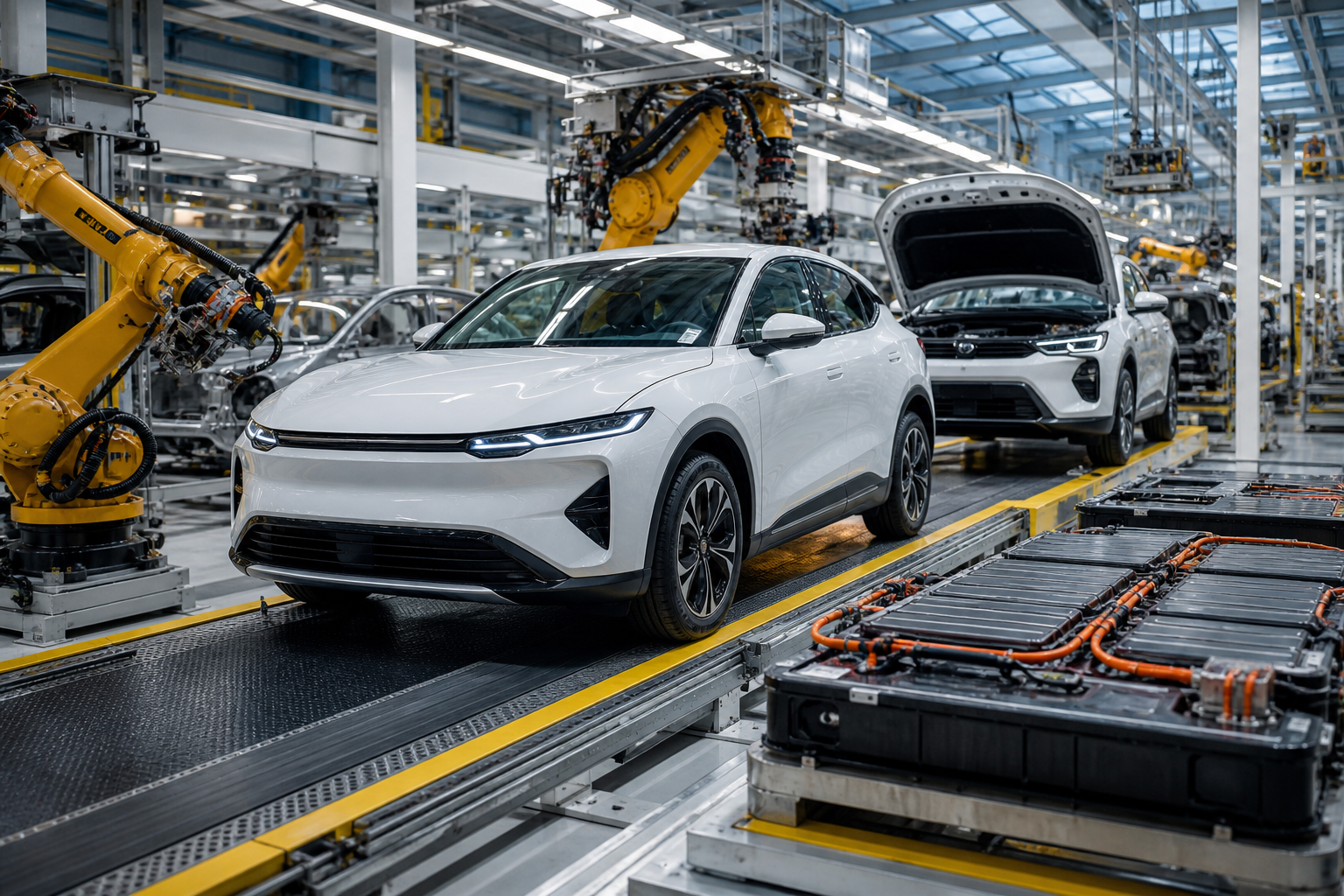
The Philippines is betting that factory-floor electrification can turn an import-heavy car market into a regional manufacturing node. On 29 July 2026, President Ferdinand Marcos Jr. signed Executive Order No. 121, launching the Electric Vehicle Incentive Strategy (EVIS) with a stated goal of narrowing the price gap between electrified and conventional vehicles while building domestic assembly capacity. Malacañang framed the move as part of an eight-year production roadmap and a broader push to anchor Southeast Asia's EV supply chain on Philippine soil.
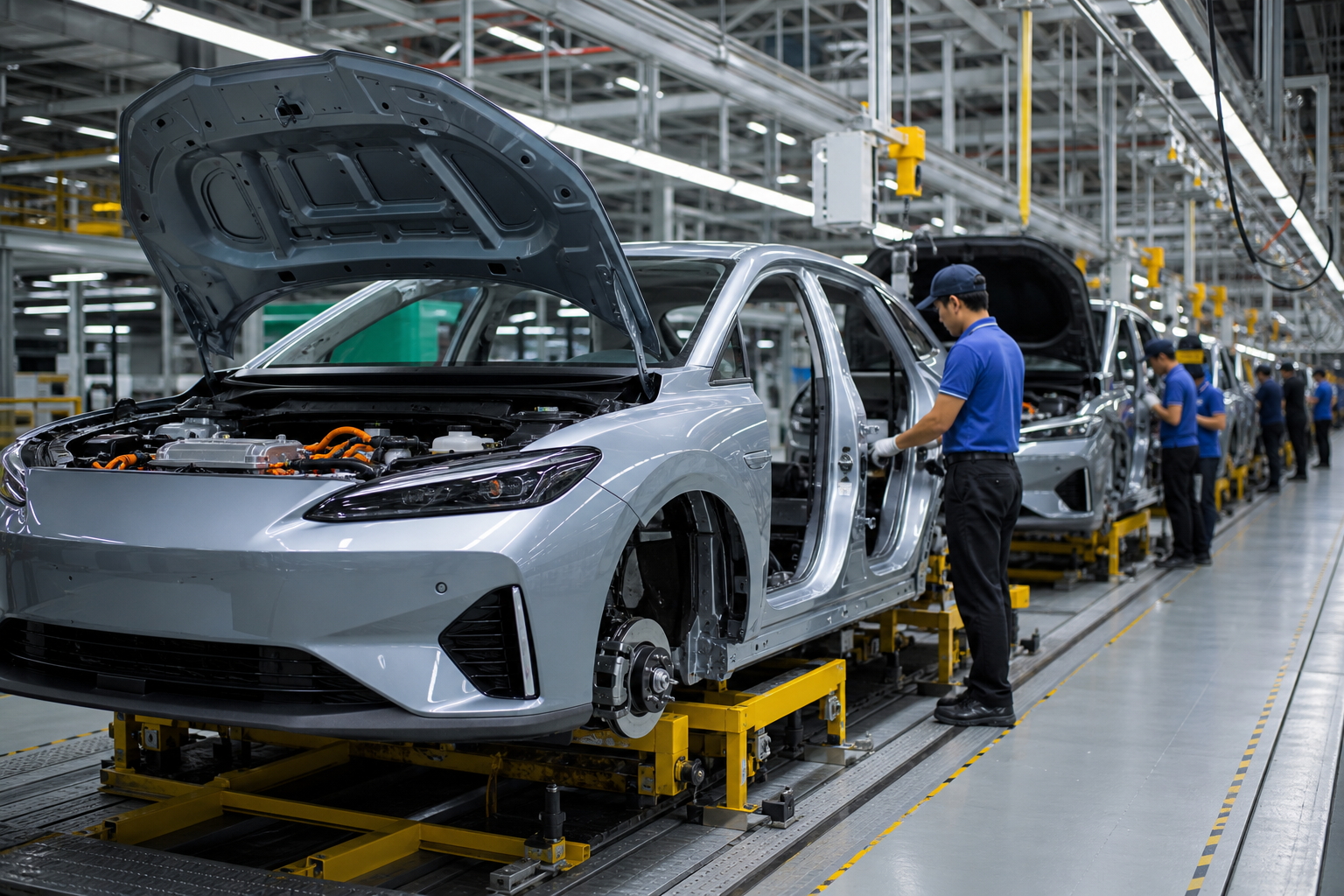
According to reporting from BusinessWorld and the Manila Bulletin, EVIS offers time-bound fiscal support for battery-electric and hybrid passenger cars, commercial vehicles, and key components. The Board of Investments will administer the program and must publish implementing guidelines within a month of the order taking effect. Participants can register up to two electrified nameplates and must commit at least five billion pesos in fresh capital, hit production targets, and introduce locally built models within three years of registration.
How the incentives are structured
The fiscal package splits into two tracks. Fixed investment support rebates a share of capital spending on tooling, equipment, research, and start-up costs—BusinessWorld cited rates of 40 percent for battery-electric projects and 30 percent for hybrids, plug-in hybrids, and fuel-cell builds. Production volume incentives add up to 12 percent of the ex-factory price per unit, capped at 200,000 pesos per vehicle. Total support across the program is limited to 60 billion pesos, with no more than 15 billion pesos allocated to any single enrolled model.
That ceiling matters for policy credibility: the government is signaling scale without an open-ended subsidy bill. Firms that miss their three-year launch deadlines face registration cancellation, fines, or clawbacks—conditions that mirror performance-based schemes in other Asian auto hubs. For buyers researching electrified options in markets GetEVCar already covers, the parallel story is familiar: industrial policy is shifting from import tariffs alone toward localized assembly, much as North American buyers have watched under the United States EV incentive landscape.
Mitsubishi commits early
Mitsubishi Motors Philippines Corp. (MMPC) said it will participate in EVIS, backed by a seven-billion-peso investment commitment from parent Mitsubishi Motors Corp. MMPC already builds the Mirage G4 and L300 at its Santa Rosa, Laguna plant and aims to add a new hybrid electric vehicle there by mid-2028, pending EVIS registration approval. Chairman Noriaki Hirakata told local outlets the executive order supplies the policy certainty needed to expand electrified production and deepen the domestic parts chain.
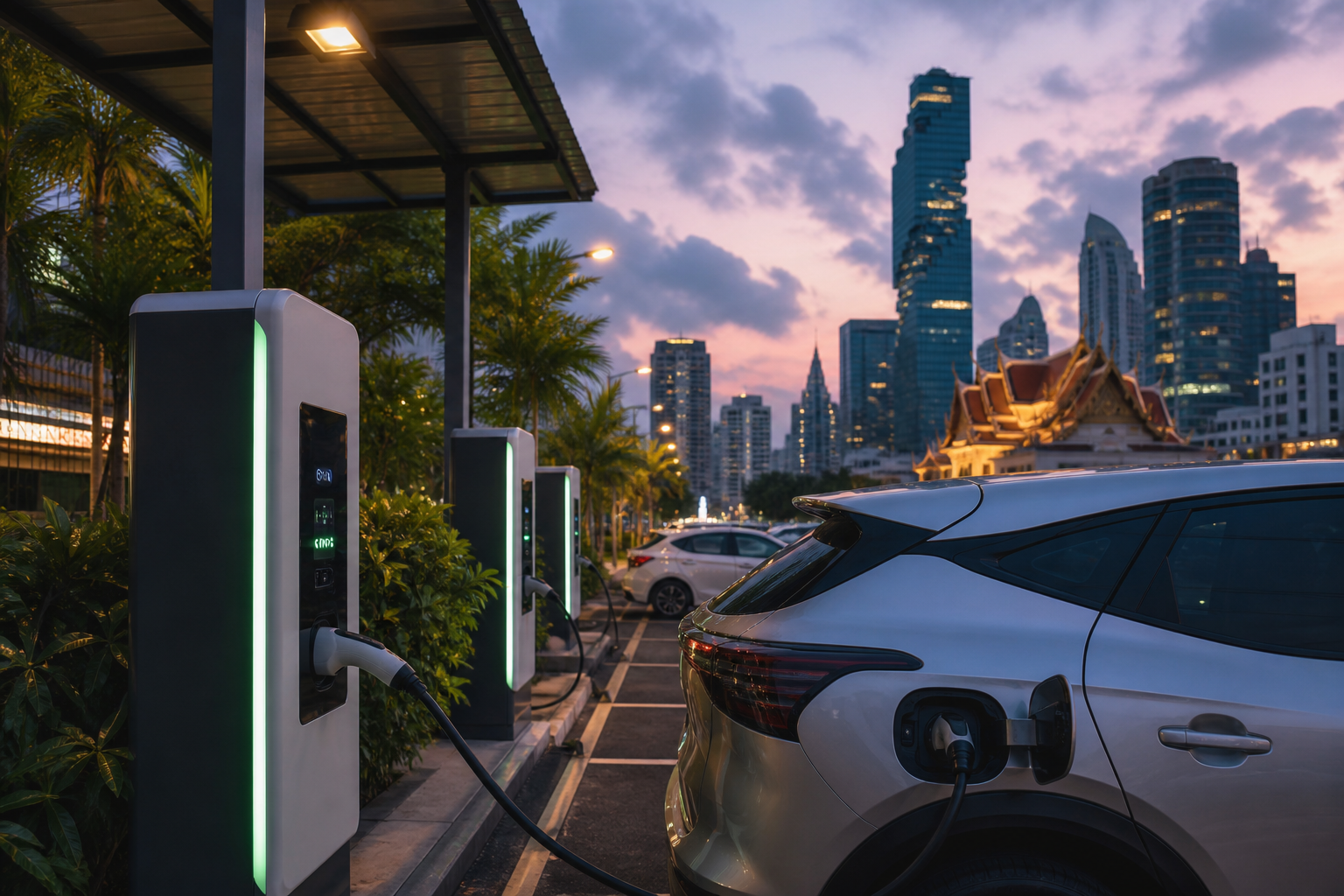
The Philippines remains a small slice of global EV sales compared with China, Europe, or North America, yet EVIS lands as Asia-Pacific markets outside China continue to outgrow mature Western regions. The International Energy Agency's 2026 outlook highlighted strong first-quarter gains across much of Asia-Pacific even as aggregate global volumes softened—context that makes fresh factory investment in ASEAN worth watching for anyone tracking SUV and crossover electrification supply chains.
What to watch next
Implementation rules from the Board of Investments will determine how quickly automakers can register models and draw down incentives. MMPC's hybrid timeline is the first concrete production pledge, but EVIS also covers commercial vehicles and components—opening the door for battery pack or charging-hardware suppliers to co-locate with assembly plants. For GetEVCar readers comparing cross-border ownership costs, the more relevant near-term signal is whether localized hybrid builds eventually trim sticker prices versus fully imported electrified stock.
Sources: BusinessWorld Online, Manila Bulletin, Philstar.com (Executive Order No. 121 and EVIS program details, 30–31 July 2026); MMPC statements reported in BusinessWorld and Manila Bulletin (Mitsubishi hybrid manufacturing commitment).