Electric car sales snapped back in the second quarter of 2026 even as the wider auto market cooled, according to fresh analysis from the International Energy Agency (IEA). The agency now expects battery-electric and plug-in models to reach about 29% of global passenger-car sales this year — one point higher than its May forecast — while policy shifts in the United States are trying to keep first-time buyers in the game.

Q2 rebound after a slow start
The IEA’s update to the Global EV Outlook 2026, titled Electric Car Markets in a Time of Uncertainty, tracks sales through the first half of the year. Global car registrations fell roughly 5% year on year from January through June, weighed down by softer demand in China and the United States. Electric models dipped in the first quarter for similar reasons, then rebounded sharply: second-quarter EV sales were about 35% above Q1 and set quarterly records in 50 countries, the agency reported.
Trade coverage of the same data highlighted standout growth in Australia, Brazil, India, South Korea, and Vietnam, where March–June volumes roughly doubled versus the same window in 2025. More than 90 countries logged year-on-year EV growth in the first half. For shoppers comparing models on directories such as GetEVCar’s U.S. market hub, the headline is that adoption is still climbing worldwide even when the two largest car markets wobble.

California’s MyFirstEV opens for August orders
While the IEA narrative is global, state-level programs still move U.S. showroom traffic. California’s new MyFirstEV incentive, which automotive outlets reported went live for participating brands in August 2026, offers $3,500 toward eligible new-inventory purchases for first-time EV buyers who order on or after August 3 and take delivery while funding lasts. Used EVs can qualify for a $1,750 benefit under separate price caps.
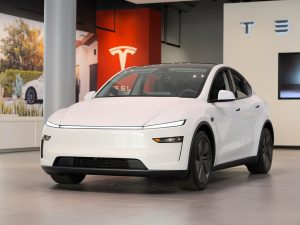
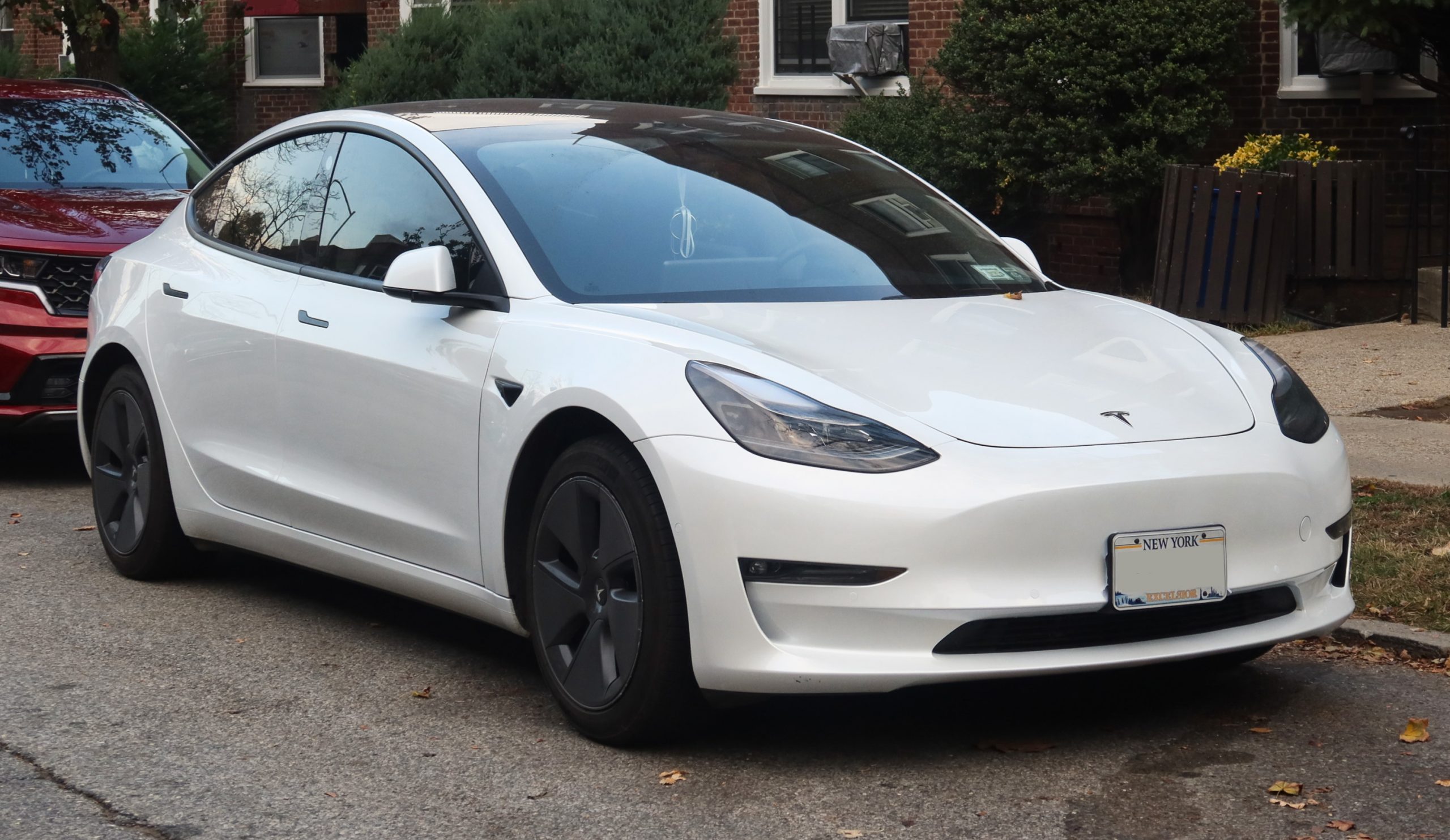
The state and participating automakers split each incentive 50/50, and California has allocated $135.5 million to the effort. Tesla is among the OEMs listed for August participation alongside Hyundai, Kia, Ford, and others — meaning shoppers cross-shopping a Tesla against a Hyundai or Kia should confirm MSRP caps (non-California-headquartered brands face a $50,000 ceiling on new vehicles) and in-stock timing with dealers. For a concrete comparison anchor, see specs for models like the Hyundai Kona Electric on GetEVCar before you negotiate.
What to watch next
The IEA expects roughly 23 million electric cars to sell worldwide in 2026, with China still dominating volume even as its growth rate moderates. In the U.S., federal tax credits expired in late 2025, so state programs and OEM co-funding — not a single national rebate — define the incentive map for now. We will keep tracking how those policies intersect with model availability across GetEVCar’s market pages.
Sources: International Energy Agency, Electric Car Markets in a Time of Uncertainty (July 2026); Electrek and Kelley Blue Book coverage of the IEA update; Teslarati reporting on California MyFirstEV eligibility and participating automakers (August 2026).