India’s electric vehicle export pipeline accelerated sharply in the second quarter of 2026, with overseas shipments climbing to 15,641 units from 1,122 in the same period a year earlier. Trade press reporting from The Economic Times, citing industry export data, frames the surge as more than a one-off spike: the June quarter alone accounted for more than half of the 28,652 EV units India exported across the prior full fiscal year.
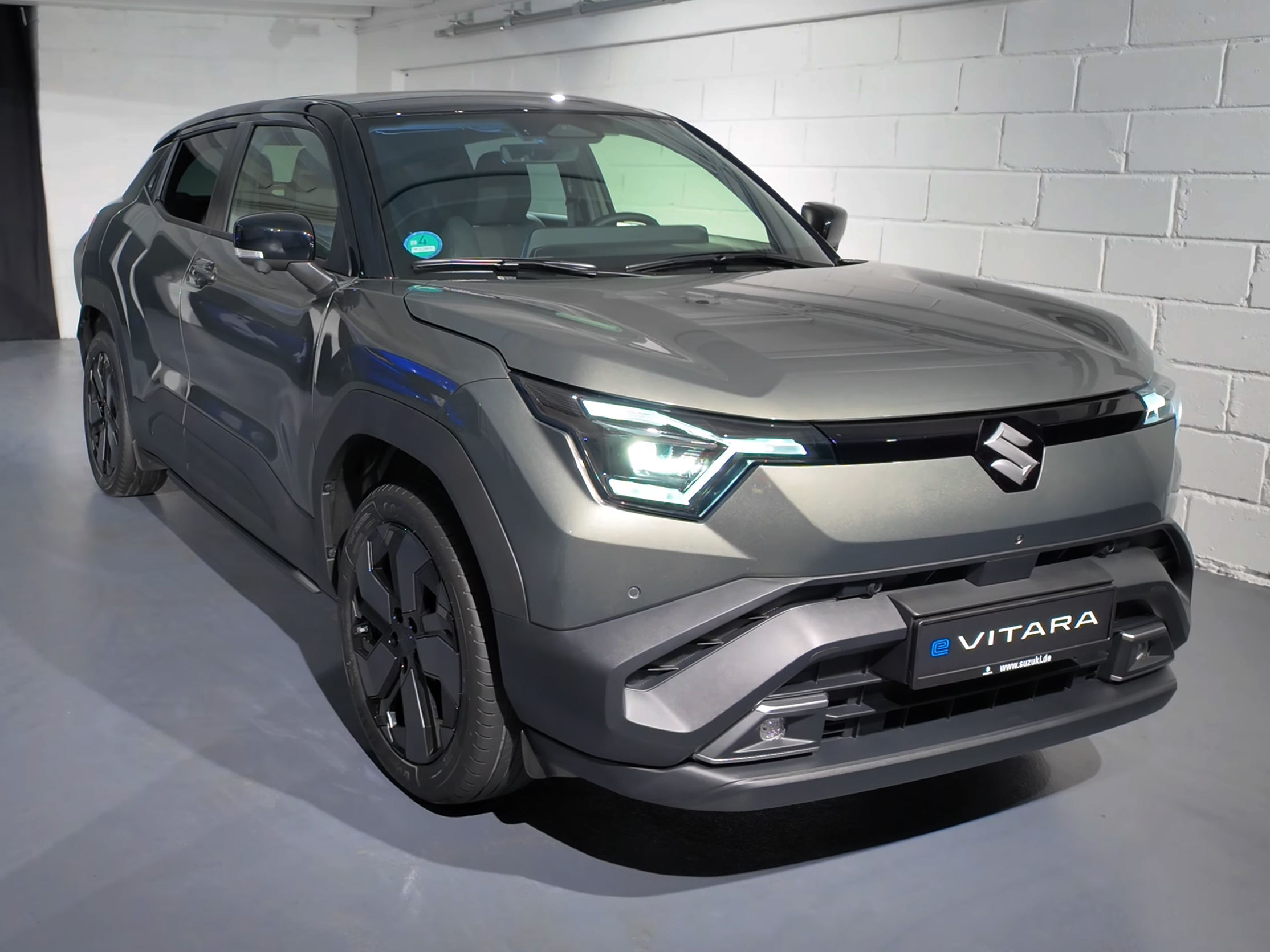
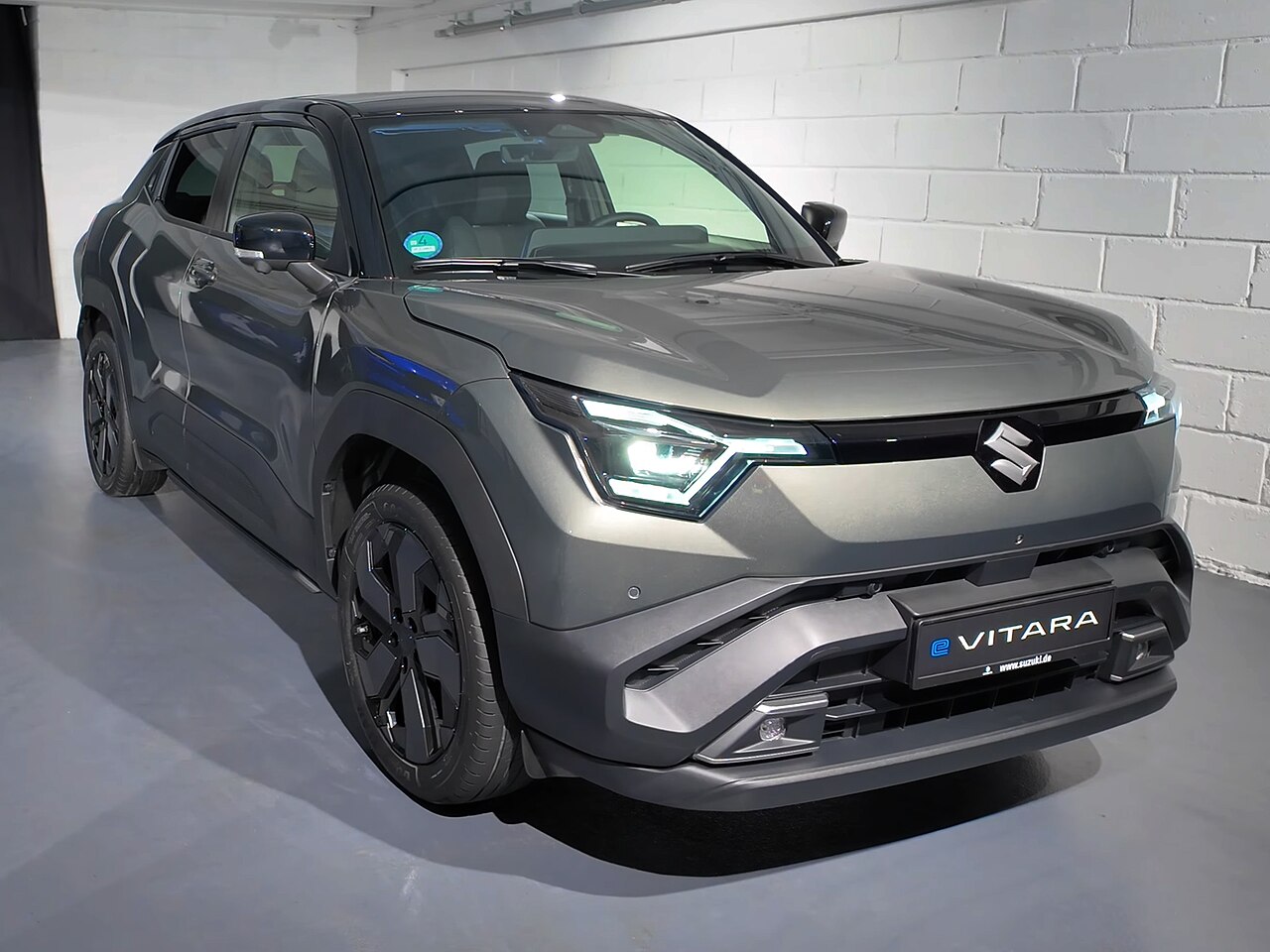
Maruti Suzuki, India’s largest carmaker, has driven much of the momentum through its e-Vitara battery-electric SUV. The company shipped 15,210 electric cars to 47 countries during the quarter, according to the same reports, and entered 20 new markets — mostly in Europe — with the model. The United Kingdom emerged as the single largest export destination, followed by South Africa, a pattern that aligns with Maruti’s focus on right-hand-drive markets where Indian manufacturing can compete on cost.
Senior Maruti executive Rahul Bharti told reporters the company exported close to 125,000 vehicles of all types in the first quarter across roughly 120 markets, and that e-Vitara shipments had passed 40,000 units in less than a year since exports began. Maruti has said it plans four additional EV launches by 2030 as it scales both domestic and overseas demand.
Tata and Mahindra join the export push
Tata Motors and Mahindra & Mahindra are also mobilising international EV strategies. Tata has outlined a multi-year capital plan — reported at up to ₹40,000 crore over five years — aimed at expanding manufacturing capacity and broadening its electric portfolio, with premium Avinya-platform models targeted at European markets within two to three years. Mahindra is similarly positioning for right-hand-drive export growth, though its volumes remain smaller than Maruti’s e-Vitara-led run in the latest quarter.
For buyers comparing affordable electric SUVs in export markets, the shift matters because it adds India — alongside China and Thailand — to the list of countries using domestic EV scale as an export lever. CleanTechnica noted separately that China’s new-energy vehicle exports rose about 120% in the first half of 2026, underscoring how home-market electrification policies are reshaping global supply rather than export-only niche plays.
UK trade pact opens a longer runway
The export story intersects with trade policy. An India–UK Comprehensive Economic and Trade Agreement took effect on 15 July 2026, according to earlier Economic Times coverage. Among its provisions is a phased framework for duty-free exports of electric, hybrid, and hydrogen passenger vehicles built in India, beginning in the sixth year of implementation and subject to annual quotas across price bands below £80,000.
Under that schedule, India would be permitted 17,600 duty-free vehicle exports to the UK in the agreement’s sixth year, rising gradually to 88,000 units from the fifteenth year onward. Maruti, Tata, and Mahindra have publicly welcomed the pact as a pathway into one of Europe’s core right-hand-drive markets — relevant context for anyone tracking EV options and incentives in the UK.
Industry analysts quoted in the trade press link part of the near-term export appetite to broader fuel-price volatility, including higher pump costs tied to Middle East supply disruptions. That macro backdrop may be accelerating demand for affordable battery-electric transport in price-sensitive import markets, though the structural driver remains manufacturer investment in export-capable EV platforms.
What to watch next
Three signals will clarify whether India’s Q2 export surge becomes a sustained trend: whether Maruti maintains e-Vitara volumes above 10,000 units per quarter, how quickly Tata’s Avinya-based models reach European showrooms, and whether UK buyers see meaningful price benefits once duty-free quotas under the trade pact begin phasing in from year six. Until then, the June quarter data establishes India as an emerging EV export hub rather than a domestic-only market — with compact electric SUVs at the centre of the push.
Sources: The Economic Times (27 July 2026 export data; India–UK trade pact coverage). Cross-market context from CleanTechnica (26 July 2026). Figures attributed to named outlets; single-source export totals should be treated as provisional until official SIAM or government trade statistics confirm them.