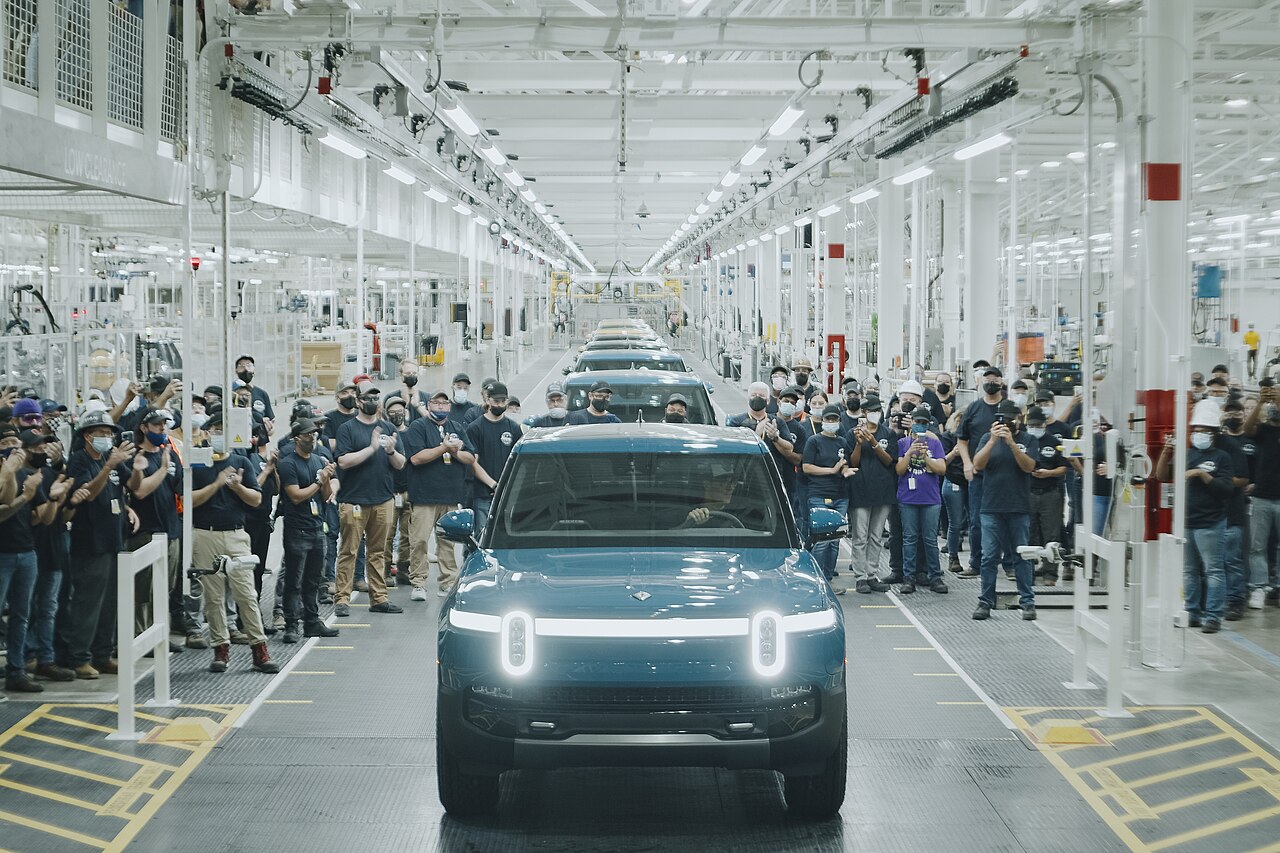
Electric truck and SUV maker Rivian is taking the U.S. government to court over tariffs it paid under a trade program the Supreme Court already ruled unconstitutional — a move that underscores how tariff politics still shape US electric vehicle economics long after the headline legal fight ended.
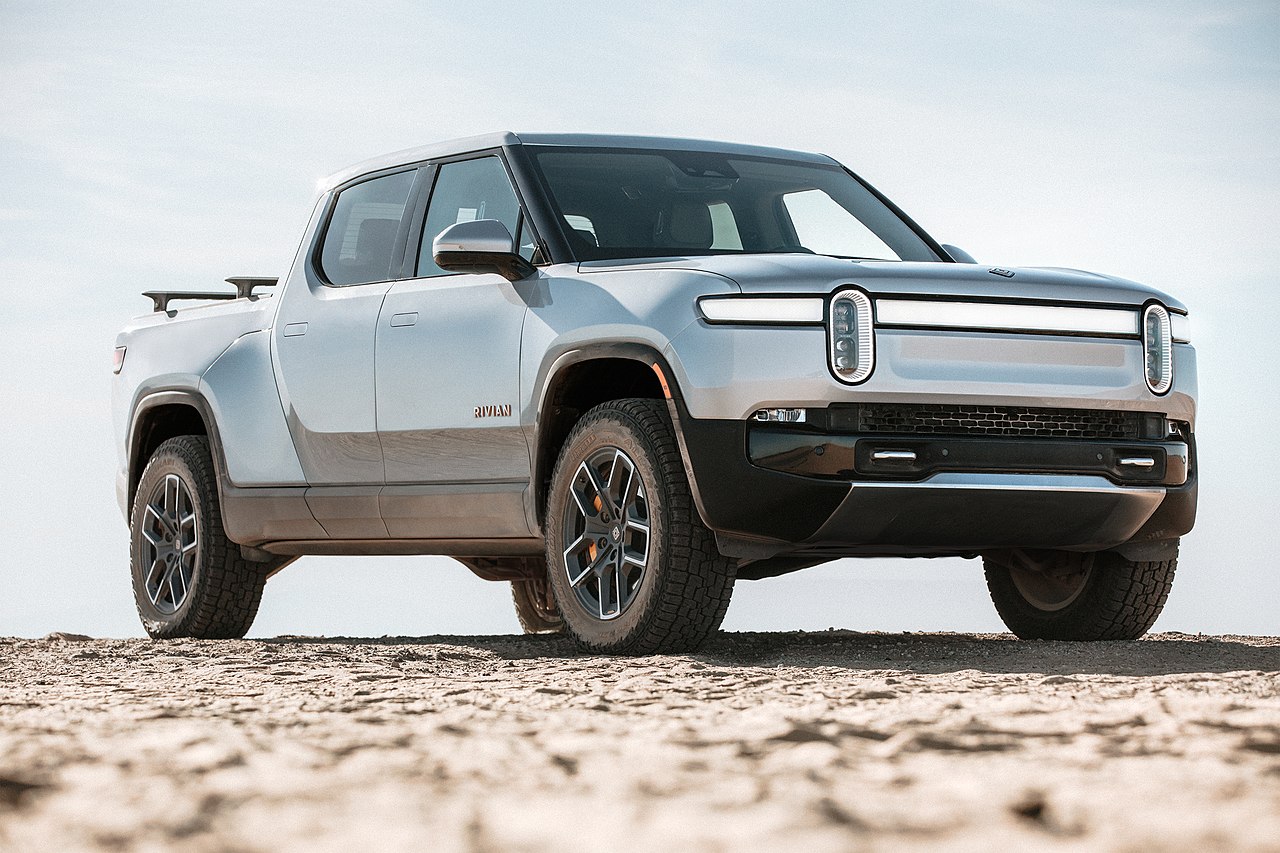
According to filings reported on 24 July 2026, Rivian asked the U.S. Court of International Trade to declare the International Emergency Economic Powers Act (IEEPA) duties unlawful and order a refund with interest. TechCrunch and other outlets report the suit names U.S. Customs and Border Protection and its commissioner as defendants alongside the federal government.
The backdrop is familiar across the auto industry. In February 2026 the Supreme Court held that sweeping IEEPA tariffs exceeded presidential authority. Legal analysts at Skadden and elsewhere noted at the time that invalidation did not automatically trigger repayment — importers would likely need administrative claims or court orders to recover funds.
Rivian’s chief financial officer Claire McDonough has said the company expects a refund in the tens of millions of dollars, according to NewsBytes and other coverage. CEO RJ Scaringe previously told Reuters that tariffs initially threatened to add a couple of thousand dollars per vehicle before Rivian mitigated most of the hit to the low hundreds of dollars by late 2025.
For Rivian, the timing matters. The company is scaling its first mass-market SUV, the R2, while continuing heavy spending on autonomous driving. TechCrunch reports Rivian expects to ship roughly 20,000 to 25,000 R2 units in 2026 and has raised about $1.3 billion to bolster cash while profitability remains a few years out.
Rivian is not alone in the refund queue. CBP told TechCrunch that more than $121 billion in potential and certified refunds have been accepted for processing across industries. Separate consumer lawsuits, including a Ford Mustang Mach-E owner case reported by The Drive, argue that if automakers receive tariff refunds they should share some benefit with buyers who paid inflated prices.
For shoppers comparing Rivian’s R1T and R1S against other premium EVs, tariff litigation is unlikely to change window stickers overnight. But it is another variable in US pricing, supply planning, and how aggressively EV-only brands can discount as they chase volume.
Sources: TechCrunch; NewsBytes; Skadden; The Drive.