Anyone comparing plug-in hybrids on GetEVCar is reading an electric-range figure that comes from a lab test, not from a log of how the car is actually driven. That gap is heading back into a European argument this autumn. Transport & Environment’s briefing of 15 October 2026 says the next correction to the way official plug-in hybrid CO₂ is calculated is due to begin in November 2026, and that the group wants governments to leave the correction in place.
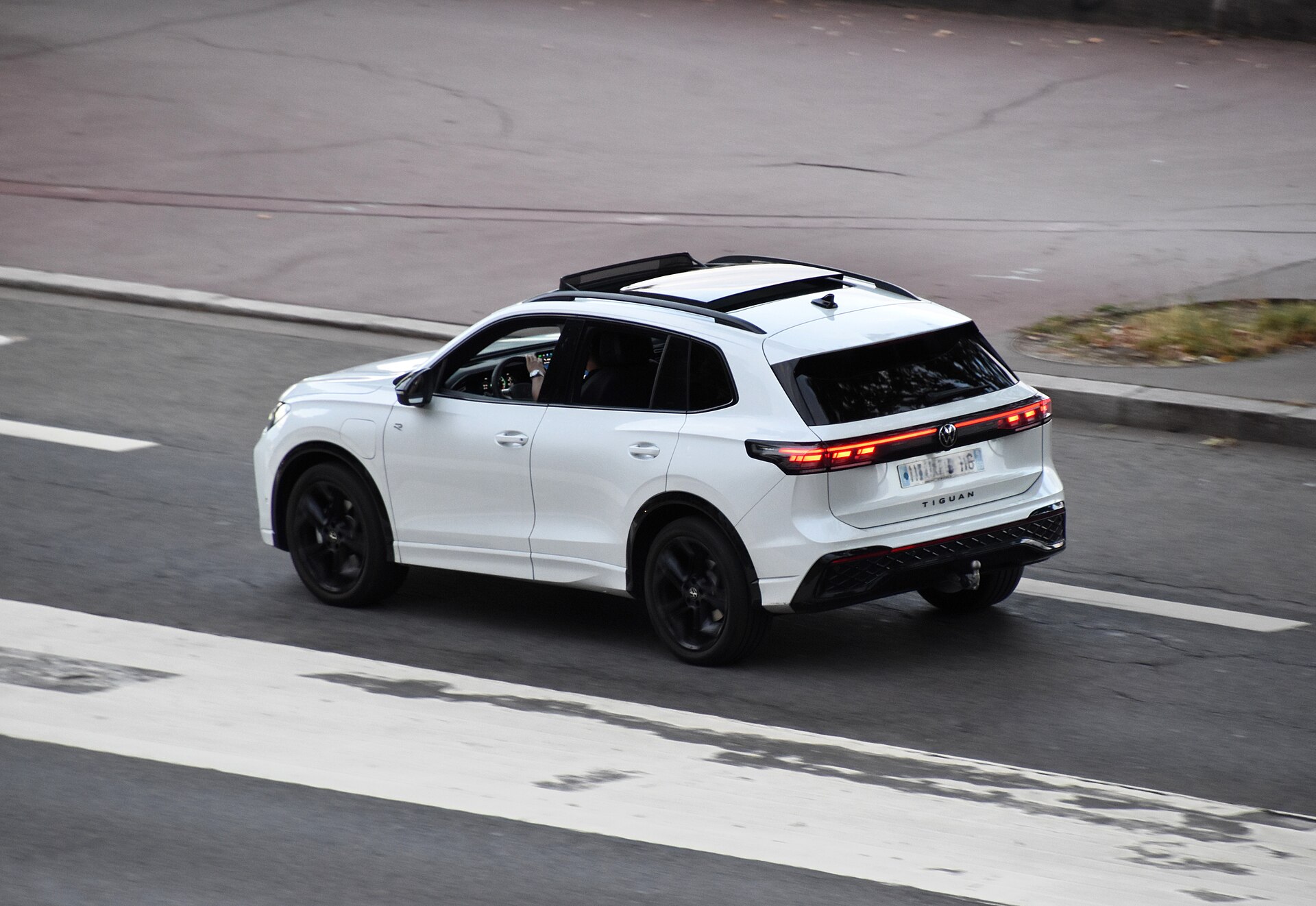
The lever is the utility factor: the share of kilometres that the official test assumes will be done on electricity. A higher assumed share produces a lower official CO₂ number. T&E says the correction already applied for 2025/26 has pushed manufacturers toward bigger batteries and longer electric range. In the full report, upgrades across five Volkswagen Group models offset about 90 percent of the official-CO₂ increase that the tighter maths would otherwise have created. The Tiguan is the example the report spends the most time on. T&E says its electric range more than doubled, from 55 km to 119 km, while official CO₂ moved only from 32 g/km to 36 g/km.
Those kilometres are T&E’s reading of the model change, not a figure we measured on the road. The live Volkswagen Tiguan eHybrid (2026) card lists 120 km of electric range, a 19.7 kWh battery, 11 kW of AC charging and 50 kW of DC charging, with 150 kW of system power. It is marked United Kingdom Available. The one-kilometre difference between 119 km and 120 km is small enough to treat as the same generation of claim, not as two different SUVs. It is still a plug-in hybrid. A petrol engine remains part of the powertrain. Shoppers who want a Volkswagen SUV with no engine at all are on a different page: the ID.4 Pro is a battery-electric SUV listed at 79 kWh, 570 km and 165 kW DC, and it is marked available in both the United Kingdom and the United States.
The reason T&E does not want the November step parked is the real-world record, not the brochure. Using European Environment Agency fuel-monitor data for plug-in hybrids registered in 2024, the group says on-road CO₂ was about six times the official figure, wider than the roughly five-times gap it found for 2023 registrations. Real-world emissions were only 14 percent lower than conventional combustion cars and ordinary hybrids, while the official tests implied an 83 percent cut. The report says pure-electric driving covered 27 percent of distance, and that the engine was running for 32 percent of the kilometres in which the battery was meant to be doing the work. InsideEVs printed that same set of figures on 18 October. We have not re-run the EEA file.
On cost, the 15 October briefing says the gap can add up to €680 a year in fuel for the average driver of a plug-in hybrid sold in 2024. The report’s worked example, which InsideEVs also quotes, puts annual energy cost at €1,810 against €1,130 suggested by the official consumption figures, using T&E’s own 2026 fuel-price assumptions. That is a European average inside the report. It is not a UK household bill, and it is not a price on the Tiguan card.
Freezing the rules at the 2025/26 utility factor would, T&E says, keep understating real-world plug-in hybrid emissions by 56 percent, and would mean manufacturers need to sell fewer battery-electric cars to meet the 2030 CO₂ target. The 15 October note attributes the push for a freeze to the German government, inside Franco-German talks on a wider automotive package. InsideEVs, three days later, described the same freeze as something German carmakers want. This run does not have a German government text or an industry-association document in hand, so that political claim stays attributed to those two accounts rather than treated as settled.
The full report goes past the news note. It proposes that tax incentives favour plug-in hybrids meeting four design tests: an electric motor at least three times as powerful as the petrol engine, DC charging above 100 kW, a real-world electric range of at least 200 km by 2030, and a fuel tank no larger than 15 litres. InsideEVs led with the tank cap on 18 October. None of the four is law. The Tiguan card’s 50 kW DC rate sits under that 100 kW line, and 120 km of rated electric range is well short of a 200 km real-world bar. A 15-litre tank would be a policy design, not a specification Volkswagen has announced for this SUV.
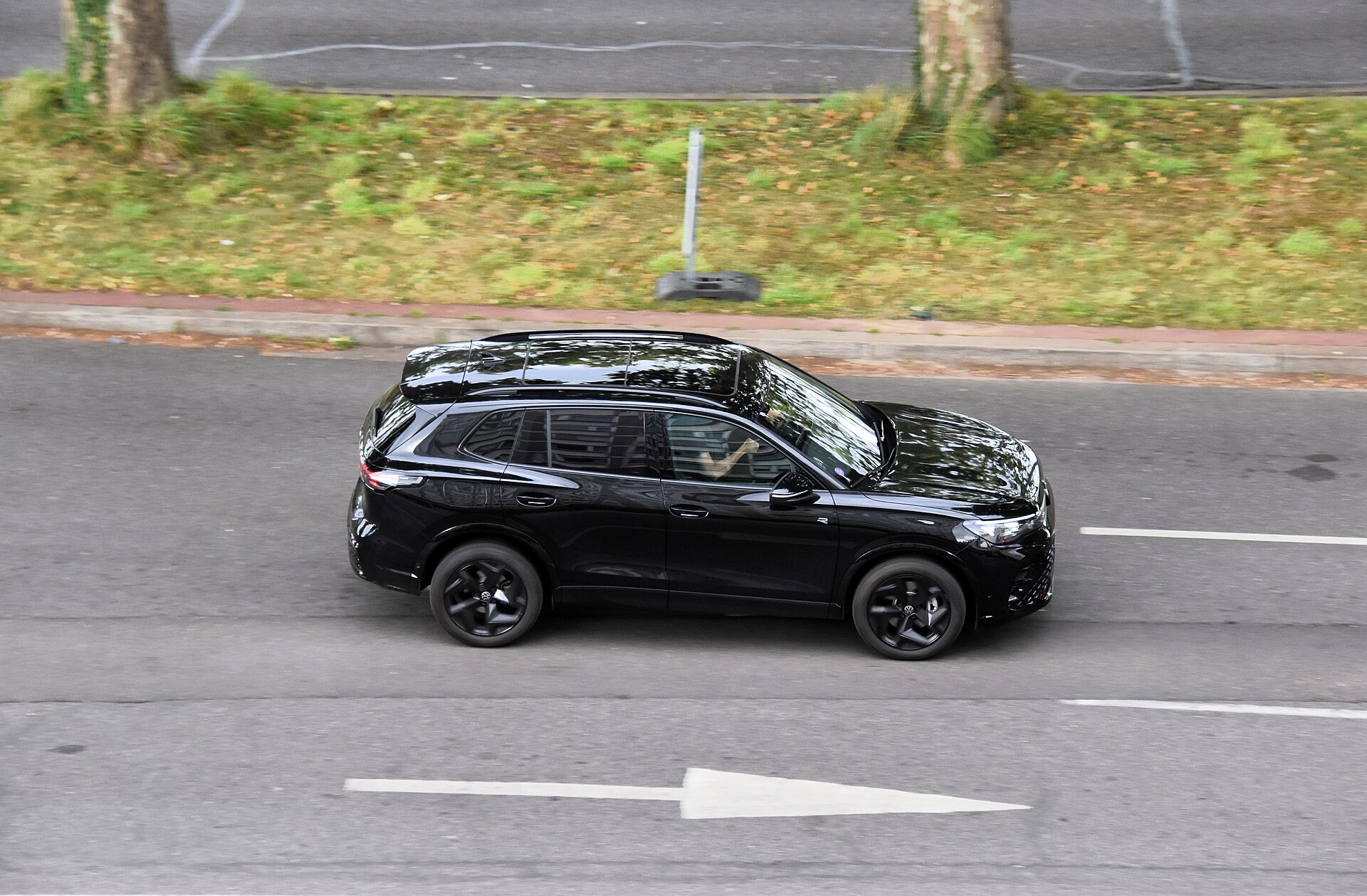
For a buyer in Britain, the catalogue split is already the useful one. Plug-in hybrids, including this Tiguan, sit on the PHEV list. Battery-electric models stay on the separate list. The UK market page and the Volkswagen brand page are the places to see what is actually listed, as distinct from what Brussels may do to the test maths in November. The SUV hub mixes both powertrains, so the Tiguan link above is the one that keeps this model on the plug-in hybrid side.
Treat the six-times gap, the €680, and the 56 percent freeze effect as T&E’s analysis of regulator data and its own scenario, cross-checked here against the report PDF and InsideEVs’ 18 October retelling. They are not a new Volkswagen price, and they are not a safety recall.