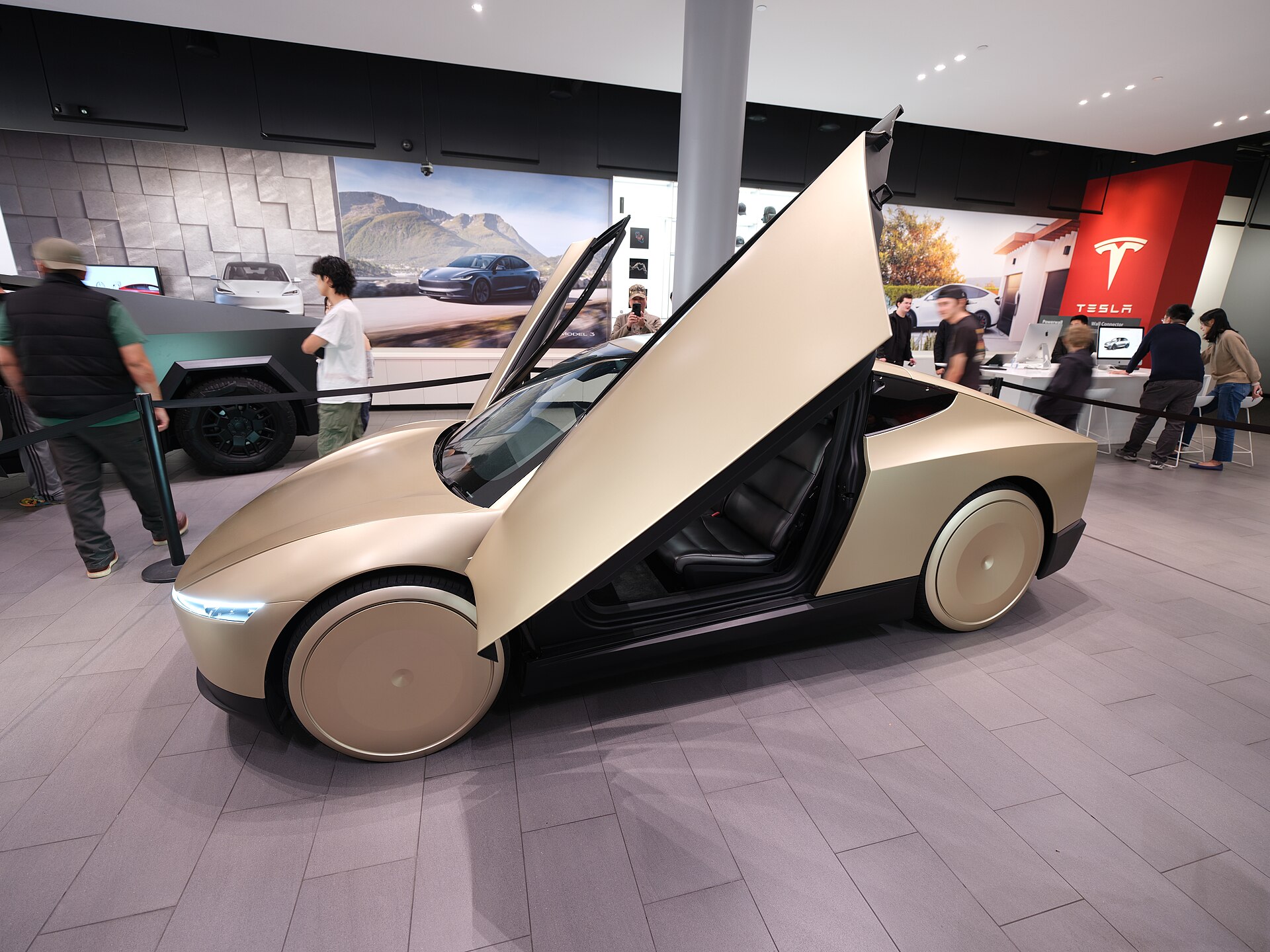
Tesla has put a calendar date on the Cybercab. Electrek, Motor1, Teslarati, and Gizmodo all report that the company is holding an invite-only launch event in Austin on 3 September 2026, matching Tesla’s own “Exclusive Access: Cybercab” poster and invitation emails. Tesla says it will livestream the evening for anyone not in the room. Teslarati’s invite copy offers guests a chance to “experience the future of full autonomy.”
Update (September 23, 2026): The Austin launch drew regulatory attention almost immediately. NHTSA’s Office of Defects Investigation opened Audit Query AQ26002 on 3 September — the same day as Tesla’s event — covering an estimated 1,000 Cybercabs already on the road. Electrek, Motor1, TechCrunch, and NHTSA’s own release frame the same core question: whether Tesla can self-certify a car with no steering wheel, pedals, or mirrors as meeting Federal Motor Vehicle Safety Standards (FMVSS) written around a human driver.
US automakers self-certify compliance rather than getting pre-approval, and Tesla decided a batch of driver-focused rules — Motor1 and Electrek point specifically to FMVSS 135 (brake systems) and FMVSS 111 (rear visibility and mirrors) — simply do not apply to a vehicle with no human controls. NHTSA’s own filing under case AQ26002 says the audit will examine “the process and technical data” behind that call and how much of Tesla’s certification rests on treating those standards as inapplicable.
The case escalated on 10 September, when NHTSA moved from an audit query to a formal Special Order — a step Electrek and Motor1 both flag as more serious: it compels Tesla to answer 21 requests under oath by 30 September, with false certification exposing the company to civil penalties Motor1 reports could reach roughly $139 million. NHTSA also points back to its own 2022 rulemaking, which said further FMVSS changes would likely be needed before a car with no human driver controls at all could be manufactured for sale — unless the manufacturer holds a Part 555 exemption. Tesla does not hold one for the Cybercab; Amazon’s Zoox took a different route, per Electrek: self-certifying its own wheel-free shuttle first, then securing a temporary Part 555 exemption capped at 2,500 vehicles a year through July 2028.
None of this is a recall or a defect finding — it is a paperwork-and-process audit that could still clear Tesla’s certification approach. But it is the open regulatory question hanging over every Cybercab now running in Austin, and it remains unresolved as of this update.
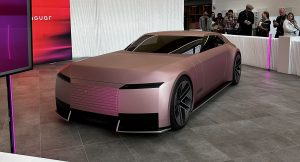
That is a US service story, not a new showroom model for the UK or the UAE. The vehicle Tesla is launching is the purpose-built Cybercab already listed on GetEVCar — a two-seat sedan with no steering wheel and no pedals — and the stated job is to ride in the same Robotaxi app as the Model Y SUVs already carrying paying passengers in parts of Texas and Florida.
Motor1 and Teslarati describe a tightly controlled guest list: attendees must be 21, bring ID, and RSVP by 30 August at 11:59 p.m. Pacific. Some invitations went to riders who completed Robotaxi trips between 17 and 23 August; Electrek says Tesla will also draw winners on 26 August from a sweepstakes that includes mail-in entries. None of those outlets treat 3 September as an open public ride-hail day for anyone with the app. Electrek says Cybercab trips are expected to appear in the existing Robotaxi app in Austin; Motor1 says everyday access after the event is still unclear. We are not treating either reading as a confirmed start-of-revenue date beyond Tesla’s own event language.
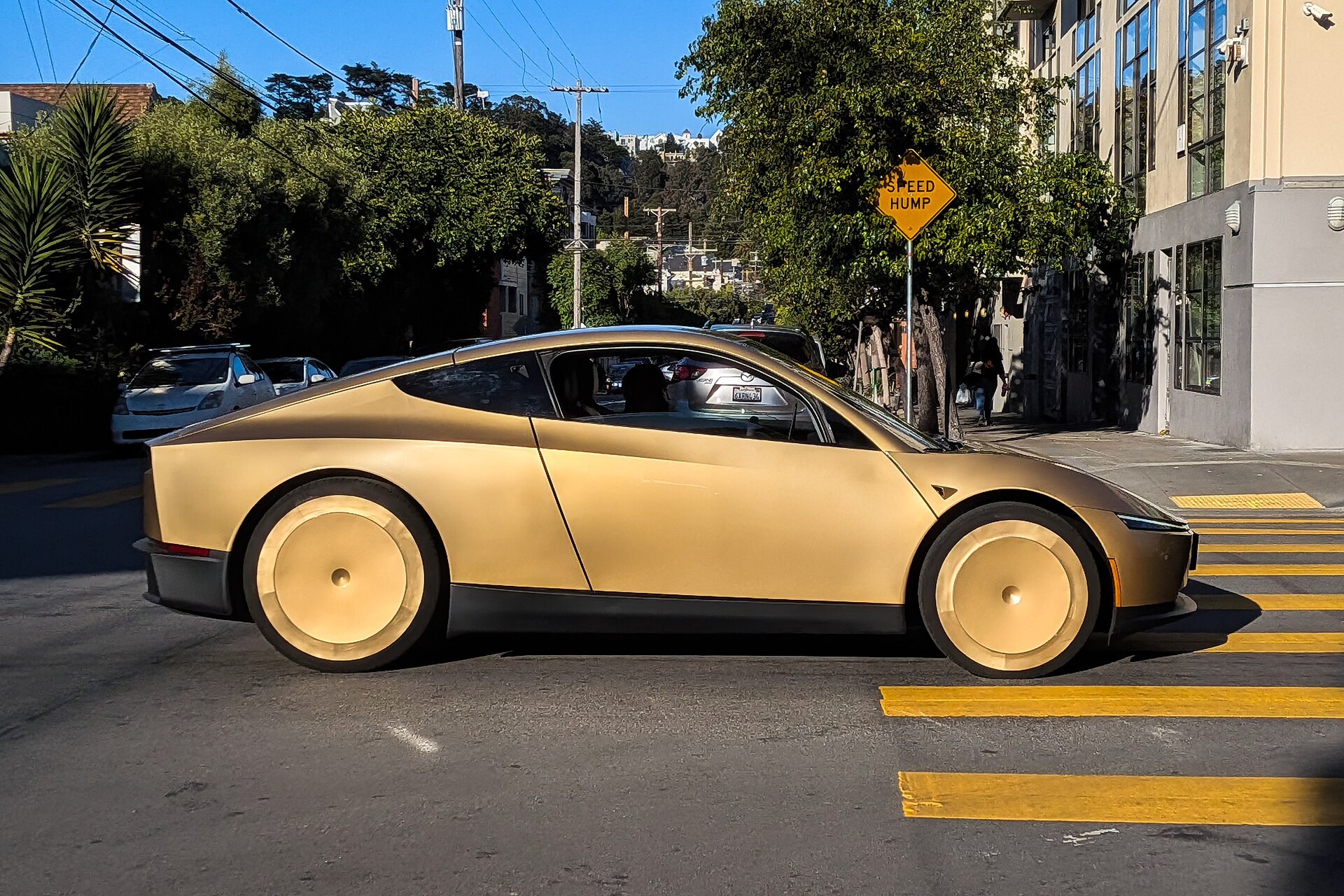
Hardware is the part that can be checked. Gizmodo, citing Car and Driver’s read of US EPA certification papers, puts the Cybercab at 3,113 lb with a single 219 hp front motor and a 48 kWh pack. The same filings give an unadjusted 418-mile range and about 165 Wh/mi, which The Verge (via Gizmodo) trims to a more sticker-like 290–300 miles after EPA adjustment. GetEVCar’s live spec block matches that pack and motor class: 48 kWh, 163 kW, and 471 km on an EPA-cycle figure — roughly the adjusted band, not the unadjusted lab number. Treat the 418-mile figure as a certification input, not a real-world trip you should plan.
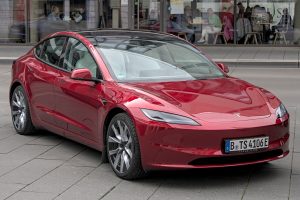
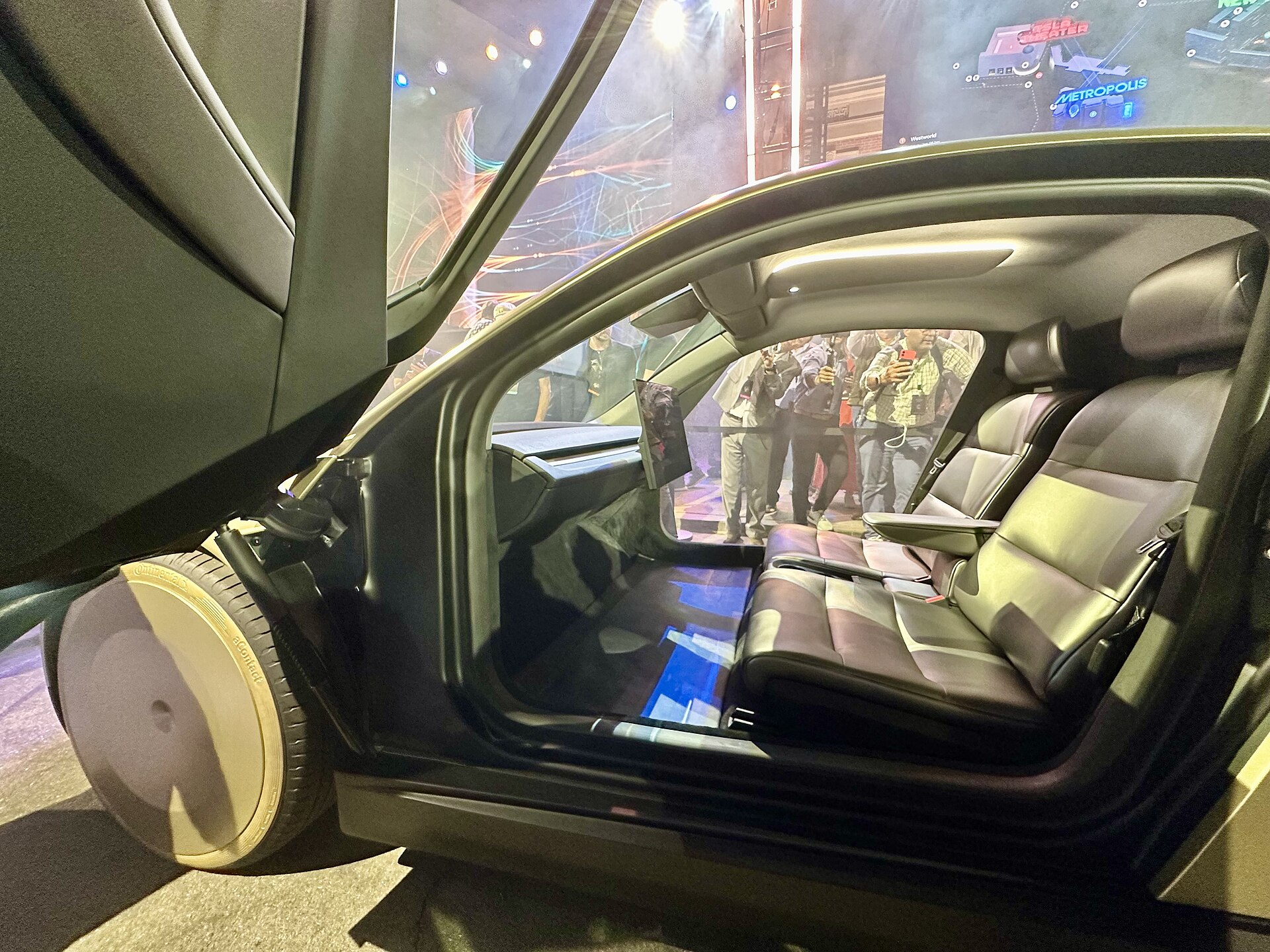
Capacity is the trade. A Model Y is a five-seat SUV; Cybercab is a two-seater with little cargo space and no driver controls. Electrek’s point is operational: a lighter, more efficient body can cut energy cost per mile on solo and pair trips, but it cannot replace the Model Y for families, luggage, or a wheelchair. The software stack does not change with the body. Electrek notes the Cybercab is expected to run the same Full Self-Driving code the driverless Model Ys already use in Austin. Motor1 adds that the first Austin cars will use Tesla’s current AI4 computer, with AI4.5 and AI5 described as later hardware, not the cars showing up on 3 September.
Context for US readers: this is not Tesla’s first driverless experiment, and it is not a national network. Tesla opened a limited Robotaxi service in Austin in June 2025. Motor1 lists unsupervised Model Y operations in parts of Austin, Dallas, Houston, Miami, Orlando, and Tampa; Gizmodo’s shorter Tesla-facing summary is Texas and Florida. Employee Cybercab rides on public roads started in July 2026, according to Motor1 and Teslarati. Closed-course rides at the October 2024 We, Robot event in California were a demo, not a commercial service. Last week’s Nevada permits — which we covered on 22 August — allow Tesla, Waymo, and Uber-linked Aviari into Clark County; Gizmodo notes Tesla’s first-year cap there is 5,000 vehicles. A permit is not a launched Las Vegas Cybercab fleet.
Scale is still the weak point, and it is sourced as an estimate, not a Tesla disclosure. Electrek’s trackers put the active unsupervised Tesla fleet at roughly 20 to 30 vehicles at a time and about 380,000 cumulative unsupervised miles as of the July earnings call. The same piece contrasts that with Waymo’s roughly 3,000 driverless vehicles, more than 500,000 paid trips a week, and over 220 million rider-only miles. Gizmodo repeats the Waymo trip and fleet figures. Those comparisons explain why 3 September matters as a hardware milestone and why it does not, by itself, prove Tesla has caught up. Gizmodo also points to Bloomberg reporting on Tesla’s plans for a “robocar” wash and chargers at an Austin service center, plus a Cybercab wash filing in Las Vegas — site work, not proof of passenger volume.
What we are not claiming: a UK or UAE Cybercab retail price, a confirmed on-sale date for private buyers, or a safety verdict. Musk’s long-running sub-$30,000 consumer-sale target is a goal other outlets have quoted; it is not a 3 September invoice. If you are comparing Tesla products you can actually configure today, start from the Tesla brand hub and the live Cybercab and Model Y pages rather than converting robotaxi event copy into a purchase plan.