Tesla delivered more vehicles in the second quarter of 2026 than in any prior quarter, yet the company’s operating profit fell sharply as vehicle margins tightened and spending on artificial intelligence, robotaxi infrastructure, and humanoid robotics accelerated. The earnings report, released this week, captures a wider tension in the US EV market: volume can recover even when unit economics and regulatory tailwinds weaken.
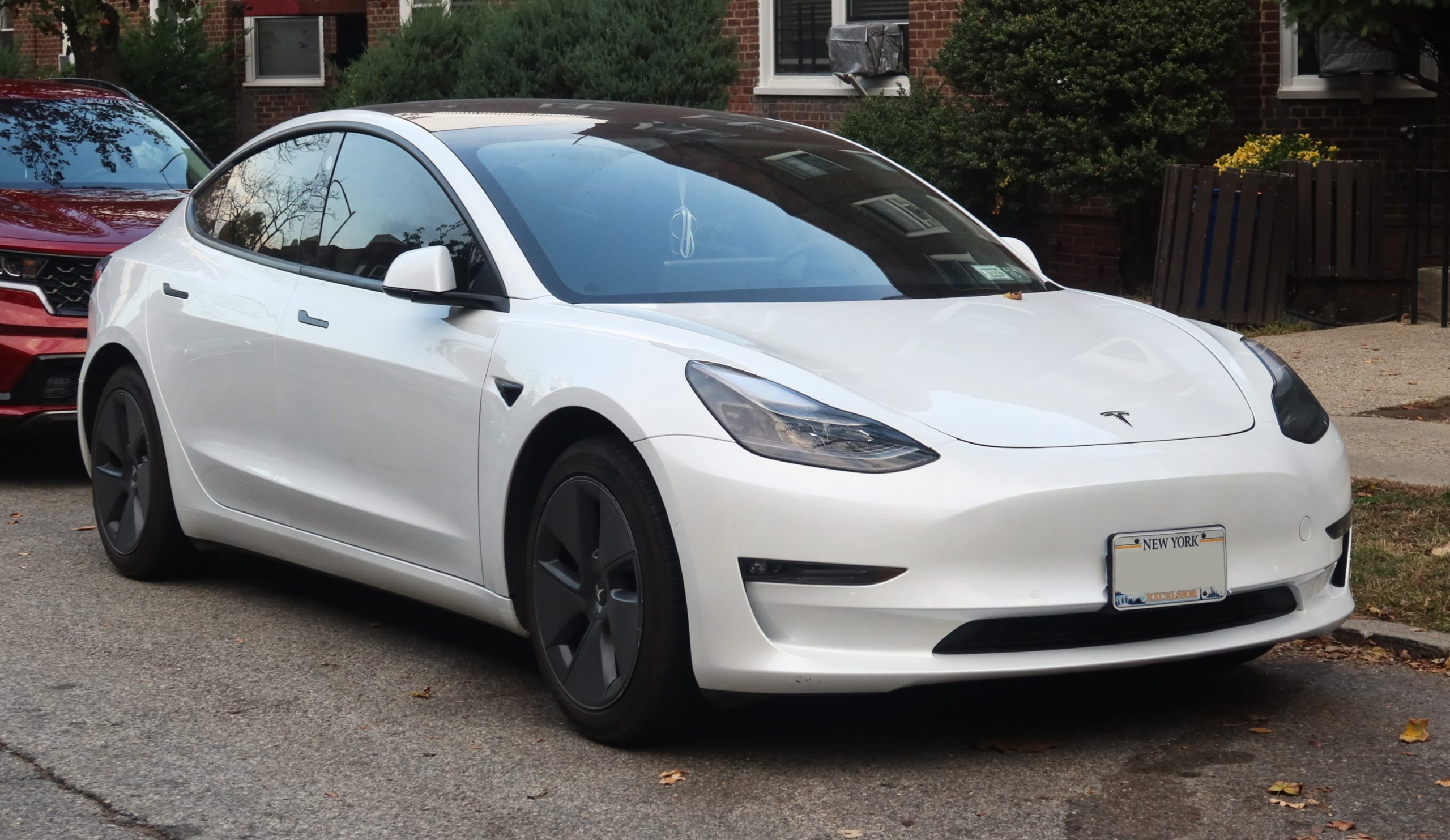
According to earnings coverage from Ars Technica, InsideEVs, and The Verge, Tesla handed over 480,126 vehicles between April and June — roughly 25% more than the same period in 2025 and a company record. The Model 3 and Model Y made up 467,762 of those units; discontinued or low-volume nameplates including the Model S, Model X, and Cybertruck contributed just 12,364.
Revenue climbed about 26% year over year to $28.24 billion, but operating income dropped 57% to roughly $400 million. Automotive gross margin fell to 16.3%, and average revenue per vehicle declined to about $42,730 from $45,345 a year earlier. Adjusted earnings of 33 cents per share came in well below the 51 cents analysts had expected, and Tesla shares fell around 4% after the results.
Regulatory credits and the margin squeeze
A familiar profit cushion also shrank. Tesla reported just $146 million in revenue from selling regulatory credits to other automakers — down from $439 million in the second quarter of 2025 and $380 million in the first quarter of 2026. US federal EV purchase incentives that had supported demand were eliminated in 2025, and the credit market Tesla once relied on has narrowed accordingly.
InsideEVs noted that the delivery rebound makes the margin story more concerning: after a difficult 2025, Tesla’s sales began recovering in early 2026, including improved momentum in California. Higher volume alone did not restore the double-digit operating margins the company enjoyed in earlier years; operating margin for the quarter was about 1.4%, according to Ars Technica.
AI and robotics spending pull cash negative
Meanwhile, Tesla is redirecting capital toward businesses beyond car manufacturing. Research and development spending rose 49% to $2.37 billion, driven by investments in AI, the Robotaxi network, and the Optimus humanoid robot program. Capital expenditures jumped 142% to about $5.8 billion, and free cash flow turned negative at $1.1 billion — an 848% swing from positive free cash flow in the same quarter last year, per multiple earnings summaries.
In its investor letter, Tesla said it anticipates beginning Optimus production later this year and that robotaxi deployments are progressing in seven major metro areas, though at least one California launch still requires regulatory approval. The Verge reported that Tesla’s autonomous ride-hailing rollout remains far short of earlier targets, with recent Florida launches in Orlando and Tampa showing only a handful of active vehicles on third-party trackers.
What it means for EV buyers
For shoppers comparing options on Tesla and rival brands, the quarter underscores two parallel trends: Tesla is pricing aggressively enough to move record unit volume, while profitability now depends heavily on cost control and non-automotive bets rather than vehicle margins alone. That dynamic mirrors broader US EV headwinds — Cox Automotive data cited in recent industry coverage showed new EV market share stuck near 5% in mid-2026 even as used EV sales continued to grow.
Tesla ended the quarter with about $43.5 billion in cash, giving it runway to fund the AI and robotics pivot. Whether that spending converts into durable earnings is the question investors — and prospective EV owners watching pricing and software roadmaps — will be weighing through the rest of 2026.
Sources: Ars Technica, InsideEVs, and The Verge (Tesla Q2 2026 earnings, July 2026). Figures cross-checked across multiple outlets; Tesla’s official shareholder letter should be consulted for definitive financial statements.