
Public charging infrastructure is expanding rapidly, but not all networks are created equal. Here’s our comprehensive comparison of the major EV charging networks in North America.
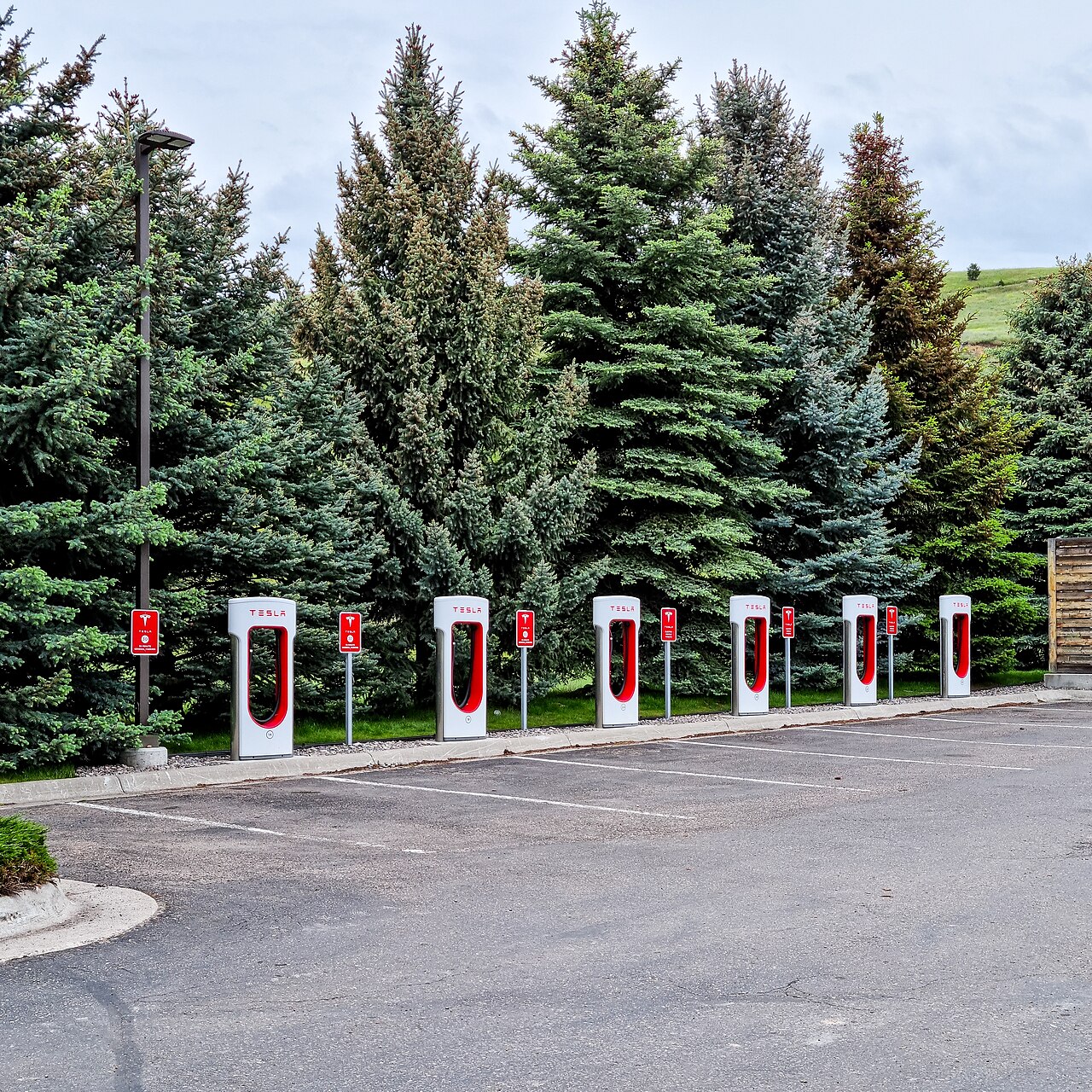
Tesla Supercharger Network
The Good:
- Largest fast-charging network with 50,000+ connectors globally
- Industry-leading reliability (99%+ uptime)
- Seamless plug-and-charge experience
- Now open to non-Tesla vehicles with NACS adapters
- Strategic placement along major travel routes
The Not-So-Good:
- Non-Tesla vehicles may experience slower speeds
- Some locations getting crowded
- Pricing varies by location
Pricing: $0.25-$0.50 per kWh depending on location and membership
Electrify America
The Good:
- Fastest charging speeds (up to 350 kW)
- Growing network with 800+ stations
- CCS and NACS connectors available
- Often located at convenient retail locations
- Pass+ membership offers savings
The Not-So-Good:
- Reliability issues at some stations
- Customer service can be inconsistent
- App sometimes has connectivity problems
Pricing: $0.43-$0.48 per kWh (Pass+ members save ~25%)
ChargePoint
The Good:
- Largest overall network (Level 2 + DC fast)
- Excellent app with real-time availability
- Many workplace and destination chargers
- Consistent user experience
The Not-So-Good:
- Fewer DC fast chargers compared to competitors
- Pricing set by station owners (varies widely)
- Some stations are slower
Pricing: Varies by location ($0.20-$0.60 per kWh)
The NACS Revolution
The industry is standardizing on Tesla’s NACS connector. This means:
- All major automakers adopting NACS by 2025
- Tesla Superchargers accessible to all EVs
- Simplified charging experience
- One connector to rule them all
Our Verdict
| Category | Winner |
|---|---|
| Reliability | Tesla Supercharger |
| Speed | Electrify America |
| Coverage | ChargePoint |
| Value | Tesla Supercharger |
| User Experience | Tesla Supercharger |
Tips for Road Trip Charging
- Plan your route using A Better Route Planner (ABRP)
- Have backup charging options identified
- Download all major charging apps before your trip
- Charge to 80% for fastest speeds
- Time charges with meal breaks
The charging landscape is improving rapidly. With NACS adoption and continued infrastructure investment, range anxiety is becoming a thing of the past.