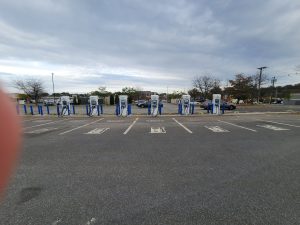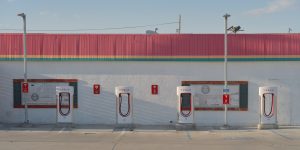
Sinopec has stripped a working petrol station in Shanghai of its underground fuel tanks and turned the forecourt into a dedicated BYD flash-charging hub. Electrek, The Driven, and TechNode independently place the site at 1209 Huqingping Road, beside the Hongqiao airport–rail interchange, and describe it as the first station the two companies jointly operate after a June industrial-and-capital framework deal.
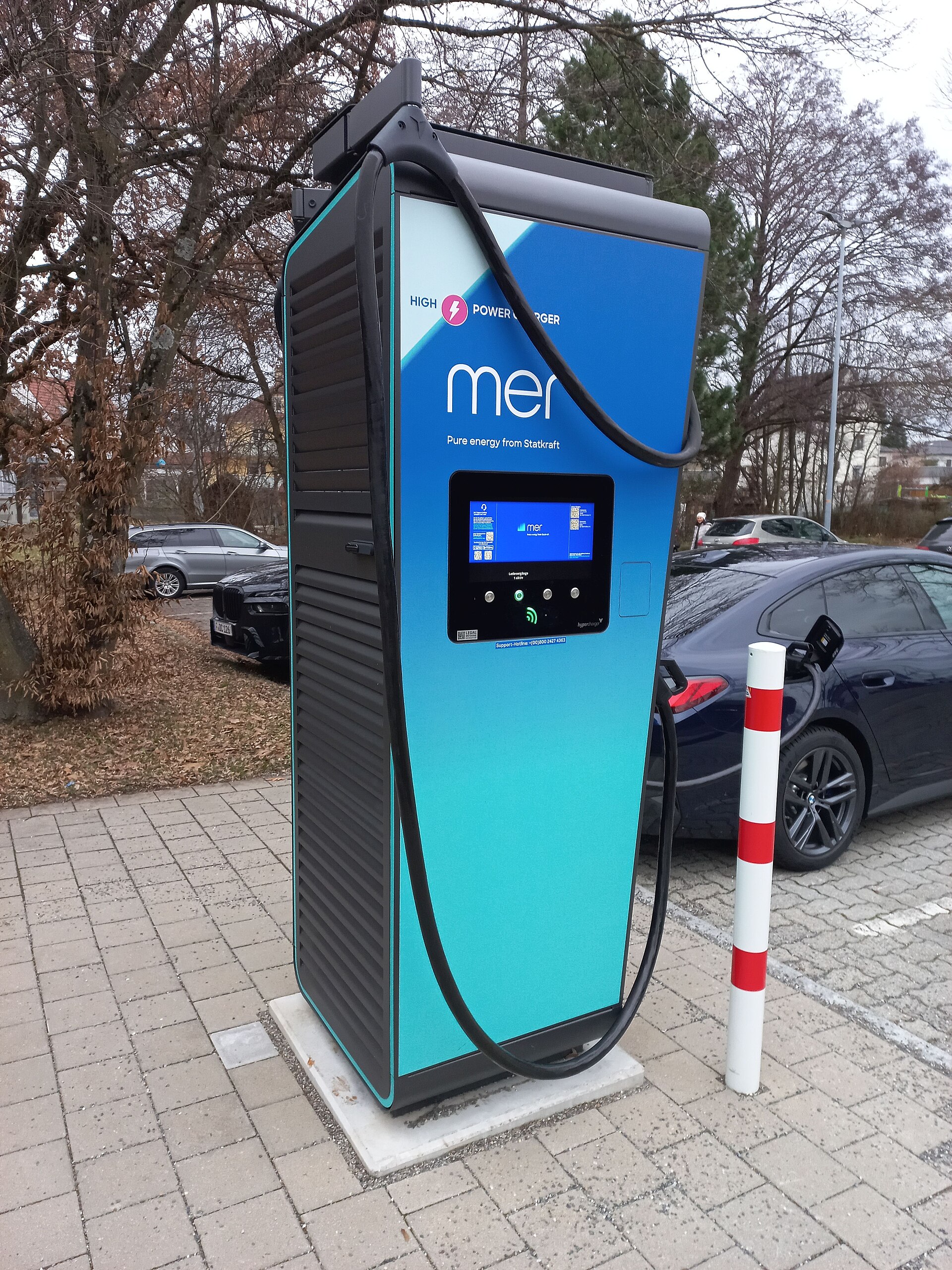
That is a different move from bolting a couple of chargers onto the edge of a still-active fuel site. TechNode reports the station’s petrol operations have ended, while Sinopec’s Easy Joy convenience store stays open. Electrek and The Driven both say the layout still looks like a pump island: six T-shaped dispensers, two cables each, twelve stalls, so a driver pulls in, plugs into an overhead gun, and leaves in minutes rather than hunting a bay at the back of the lot.
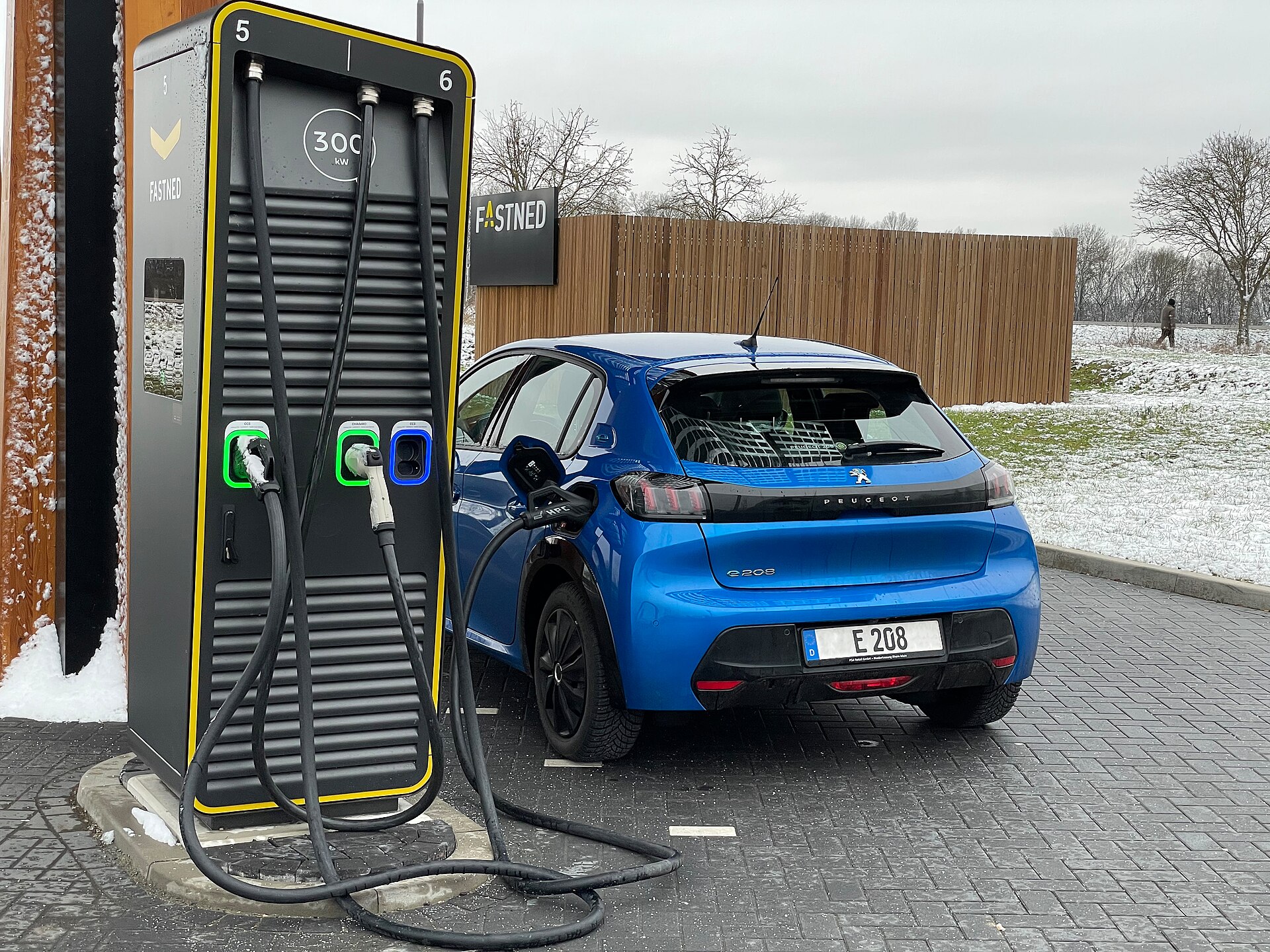
BYD rates those guns at up to 1,500 kW on a single connector. On a car with the company’s second-generation Blade battery, Electrek and The Driven both relay the manufacturer’s claim of roughly 10–70% in five minutes and 10–97% in nine; cold-weather charging at −30°C stretches that to about twelve minutes. Those figures are BYD’s, not independent instrumented tests, and they only apply to vehicles engineered for the 1,000-volt flash-charging stack—not to every BYD already on the road.
The engineering trick is why an ordinary Sinopec lot can host megawatt peaks at all. A 1,500 kW draw straight from the grid would need a substation-scale connection. Instead, Electrek and The Driven report that each dispenser carries four Blade LFP packs of 169 or 185 kWh. Those buffers supply the burst to the car while the site sips around 100 kW from the grid to refill the packs. Electrek notes the same buffers can keep chargers live if the grid drops. That is how a converted fuel station avoids waiting years for a utility upgrade.
The Shanghai hub is the first visible result of a 3 June signing in Beijing, which CnEVPost reported from Sinopec’s own statement and Electrek later tied to this conversion. Sinopec chairman Hou Qijun and BYD chairman Wang Chuanfu attended. Sinopec runs more than 30,000 service stations and over 14,000 charging or battery-swap sites, serving on the order of 20 million customers a day—numbers CnEVPost and Electrek both cite. BYD, as of late May, had built more than 6,100 flash-charging stations and is targeting 20,000 in China by the end of 2026. Sinopec has already said similar conversions are coming; how many of those 30,000 forecourts actually lose their tanks is not a figure either company has published.
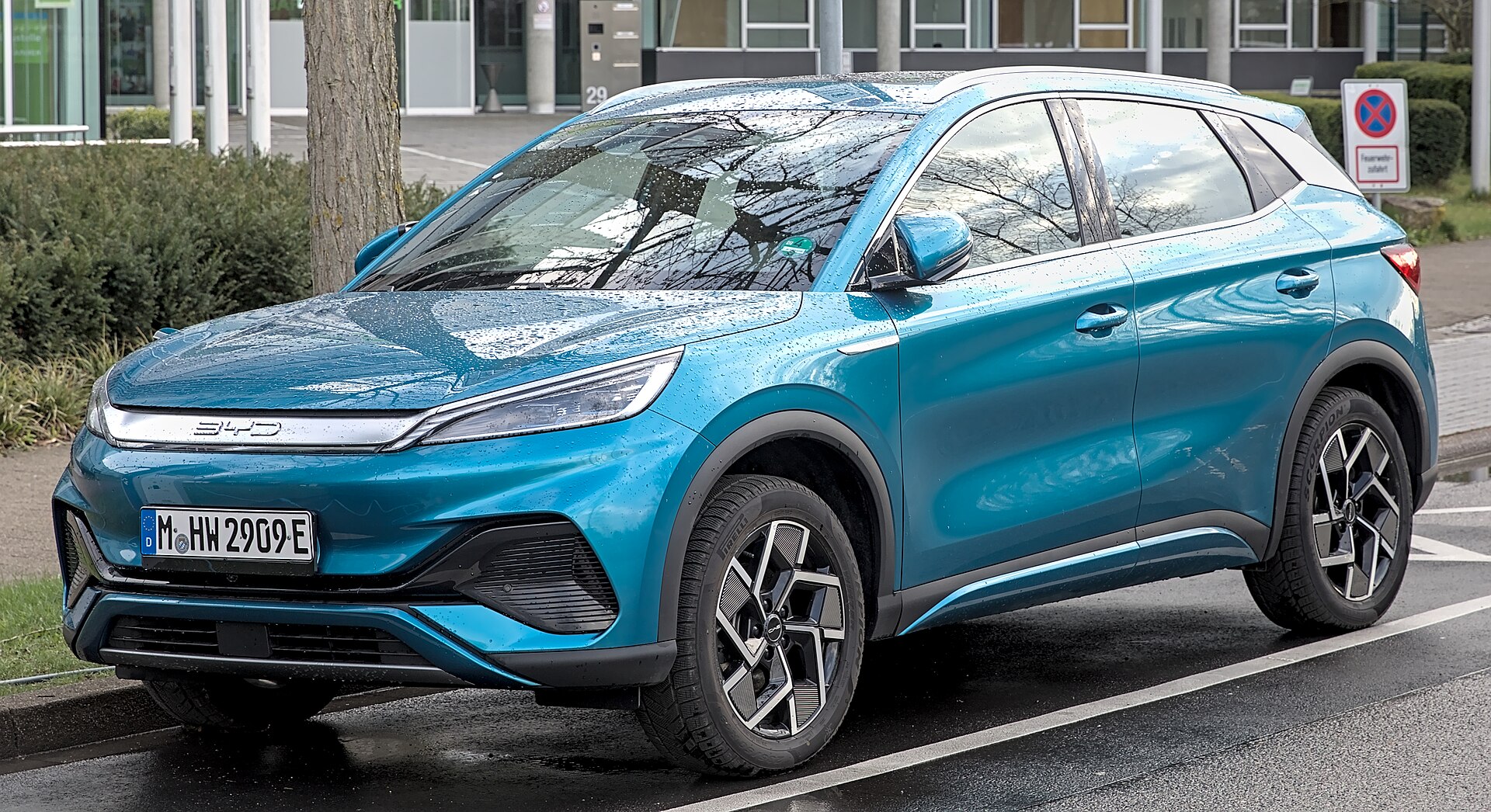
For shoppers on GetEVCar, the hardware story matters more than the Shanghai postcode. The current BYD Atto 3 (2025) listed on our directory is a compact SUV with 88 kW DC charging in the spec we publish—useful, but nowhere near a 1,500 kW flash gun. The same is true of other BYD models already indexed, including the Sealion 7. Flash charging follows the second-generation Blade pack; it is not a software toggle on today’s UAE dealer stock. Treat the Shanghai site as a network template, not as a promise that an Atto 3 bought in Dubai this month will refill in five minutes.
Overseas, the picture splits. Electrek reported in June that BYD had opened its first flash chargers in Europe, using CCS2 and opening the stalls to non-BYD cars, with a stated aim of thousands of stations on the continent by the end of 2027 and sub-50 pence per kWh pricing discussed by BYD’s UK country manager. That is relevant to UK buyers watching public-charging costs, but it remains a company target rather than a live nationwide tariff. The same Electrek analysis argues US tariffs and connected-vehicle rules make a comparable US rollout unlikely in the near term; we have no separate confirmation of a cancelled American plan, only the absence of one. In the Emirates, public charging is still a mix of utility and private networks—see our UAE provider directory—not BYD-branded megawatt islands.
The strategic read is less romantic than the photos. Sinopec still sells fuel to tens of millions of people a day. Converting a high-traffic Hongqiao forecourt lets it keep the real estate, the convenience store, and the traffic even as China’s passenger mix tilts electric. BYD gets sited chargers without assembling new land deals one lot at a time. For GetEVCar readers comparing BYD SUVs, the takeaway is narrower: megawatt flash charging is moving from launch-event hardware to oil-company forecourts in China, while the models we list for the UAE and UK still need to be checked trim-by-trim for whether they can actually use it.