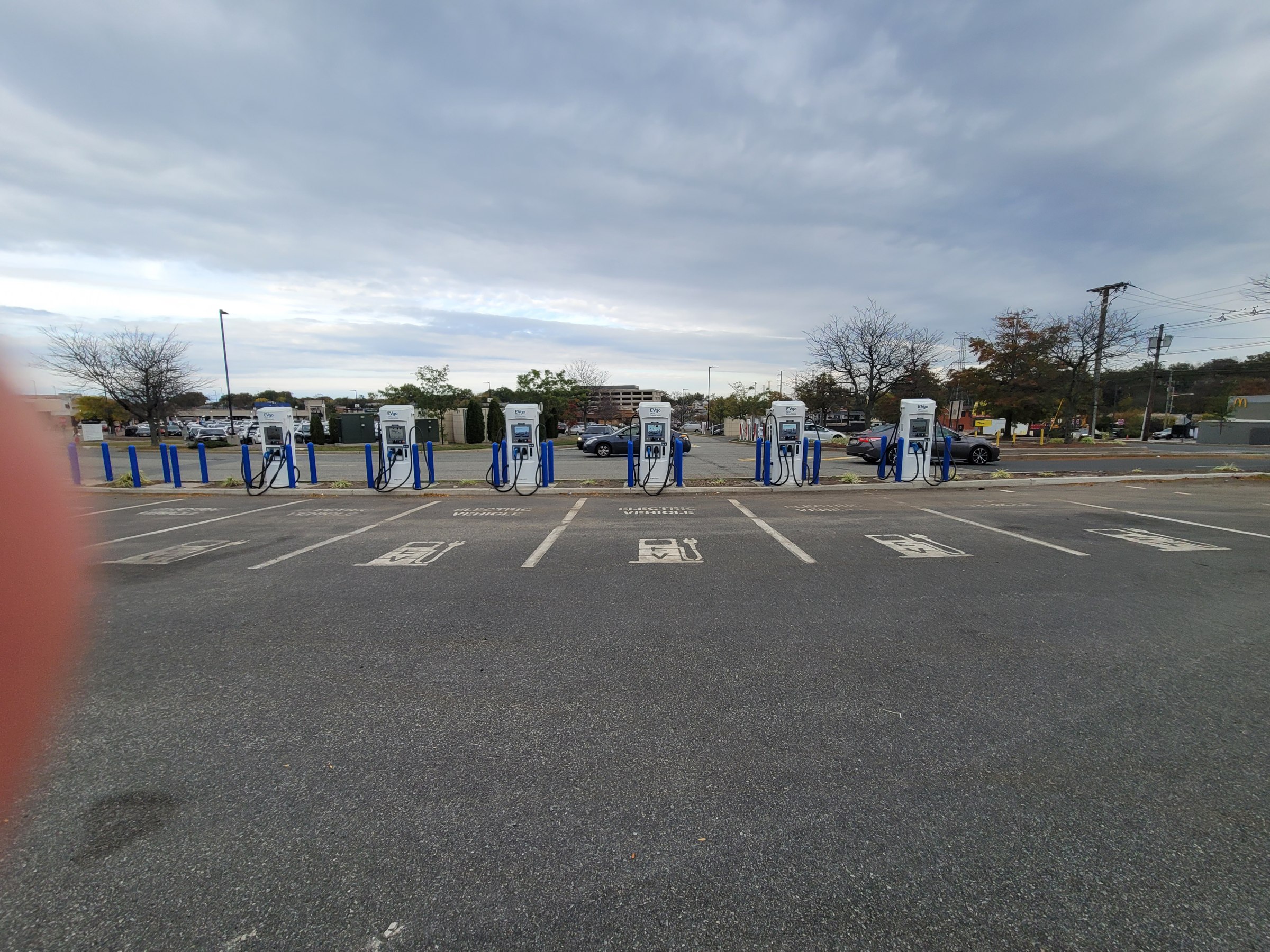
EVgo and Regency Centers are betting that the best place to charge an EV isn’t a highway rest stop — it’s the grocery store parking lot. The two companies announced on September 9 that they’re expanding a partnership dating back to 2020, adding more than 400 new fast-charging stalls to Regency’s grocery-anchored shopping centers across the United States.
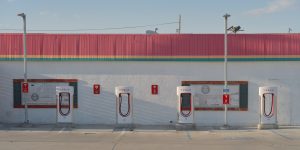
Each new site will carry up to 24 high-power EVgo chargers, EVgo says, capable of adding a full charge in as little as 15 minutes depending on the vehicle. The build-out targets metro areas in Colorado, Florida, Illinois, New Jersey, New York, Pennsylvania, Texas, Virginia, and elsewhere, and will more than double EVgo’s existing footprint at Regency properties, which currently sits above 150 stalls. Regency says the finished expansion will grow its overall EV charging footprint by more than 20 percent — figures confirmed independently by trade outlet electrive.com.
“EV drivers are looking for convenient charging options where they already spend their time, like grocery-anchored shopping centers,” said Scott Levitan, EVgo’s executive vice president of growth, in the companies’ announcement. Regency’s vice president of sustainability, Mark Peternell, framed it as a footprint play: “Expanding our EVgo partnership grows Regency’s EV charging footprint and gives more drivers reliable, convenient access to fast charging.”
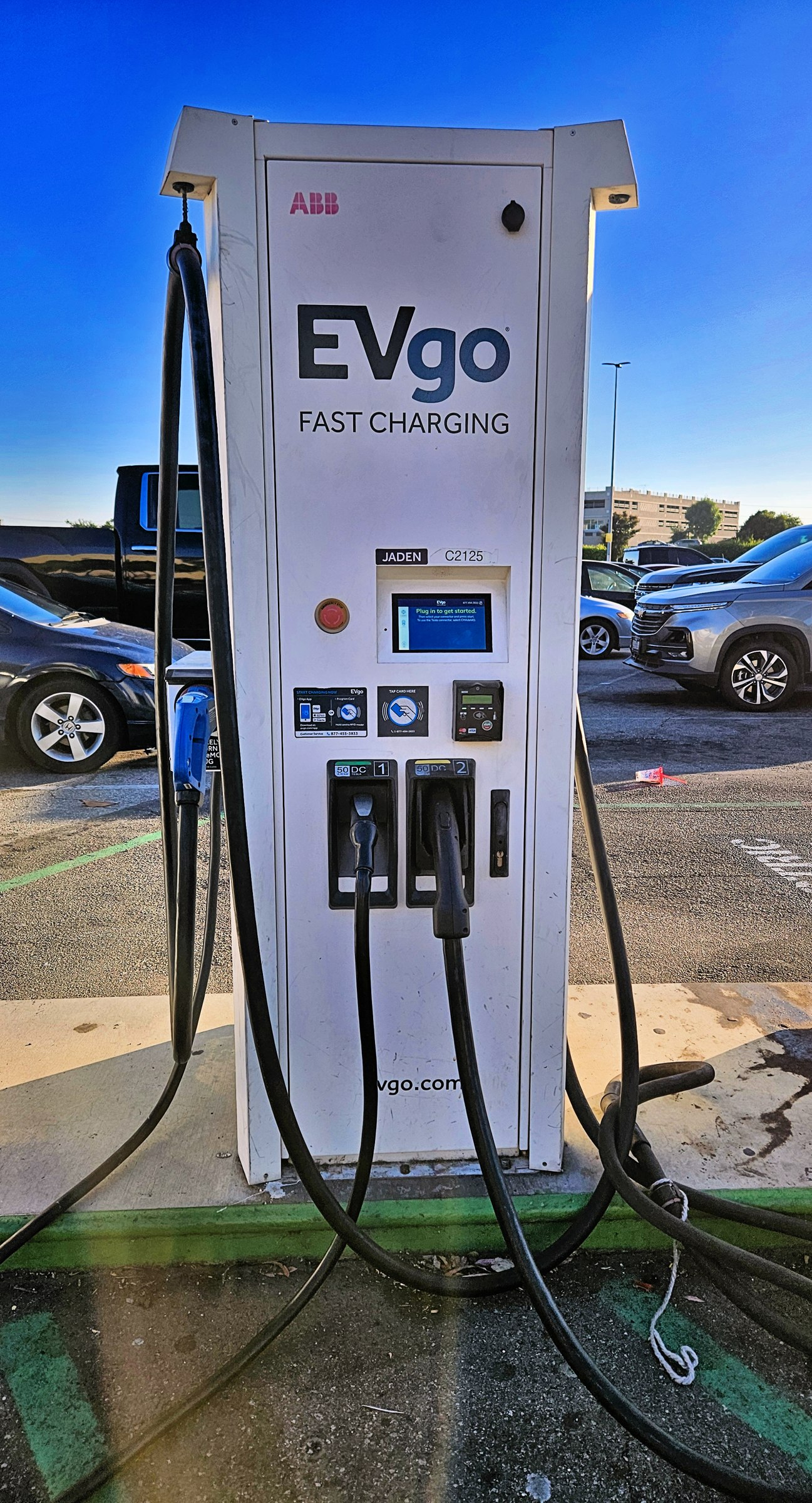
The pitch behind the retail-anchored model is dwell time, not destination charging: the companies cite average grocery visits of two to three times a week and roughly 23 minutes of parked time per trip — long enough to add meaningful range on a fast charger without the visit feeling like a charging stop at all. That’s a different use case than a highway corridor charger, where drivers wait around specifically to plug in.
The timing lines up with a broader growth stretch for US fast charging. Infrastructure tracker evchargingstations.com counted 76,236 public DC fast-charging ports nationwide as of September 1 — up 23 percent year-over-year, with roughly 1,000 stalls added most months through 2026. EVgo currently ranks third among US networks by port count, with about 5,246 stalls (a 6.9 percent share) behind Tesla’s Superchargers and Electrify America; this deal pushes that total further without changing the pecking order. Many of EVgo’s newer builds pair CCS1 with NACS connectors at the same stall, which matters for shoppers cross-referencing getevcar’s BEV listings — a growing share of the models on that page, not just Tesla’s own lineup, now ship NACS-ready or with an adapter in the glovebox.
Nothing here changes model availability or pricing on getevcar’s US market page — this is an infrastructure story, not a product launch. But for anyone weighing whether daily-driver charging in the US is becoming less of a hassle, a national retail landlord doubling down on fast chargers at the stores people already visit is a concrete data point in that direction.