Public fast-charging in the United States is splitting into two lanes this week: license-built Tesla hardware on third-party networks, and a major curbside build-out for drivers who park on the street. Together, the moves aim to reduce range anxiety for both highway travelers and urban owners who never plug in at home.
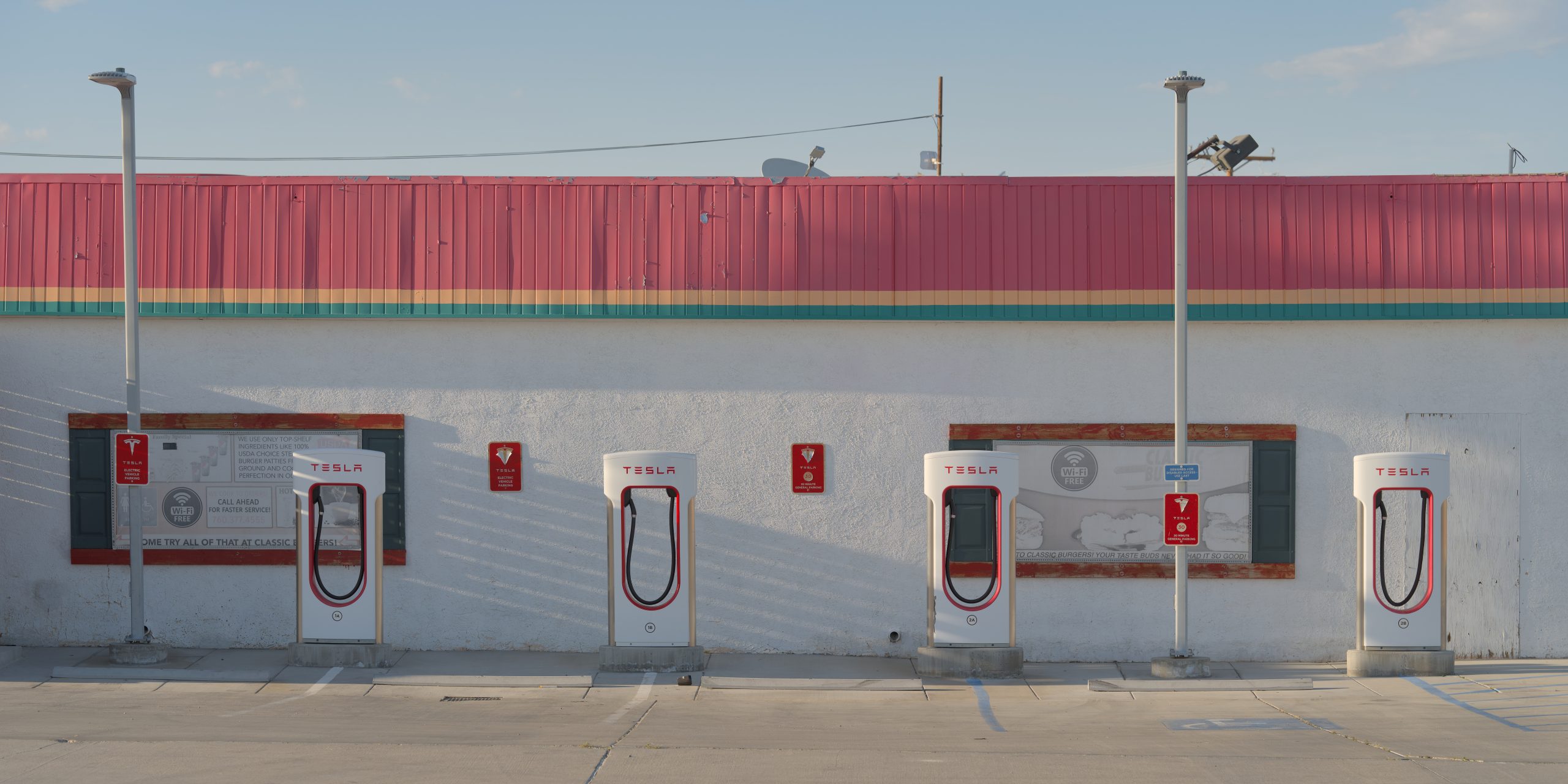
EVgo to roll out Tesla V4 Superchargers
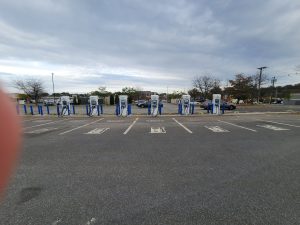
Charge-point operator EVgo said it will begin deploying Tesla V4 Supercharger stalls that it builds under Tesla’s Supercharger for Business program, with construction starting this fall and the first sites expected online in the second half of 2026. Ars Technica and electrive.com both reported that the units will appear in Tesla’s in-car navigation and Trip Planner even though EVgo will own the sites, set pricing, and handle utility interconnection.
The licensed hardware supports up to 500 kW at voltages up to 1,000 V and offers both North American Charging Standard (NACS) and CCS1 connectors. EVgo framed the rollout as a way to welcome the growing fleet of non-Tesla EVs that ship with NACS ports while still serving the more than three million Tesla vehicles already on US roads. The company also noted that session volume on its network has risen more than sevenfold over the past three years.
For shoppers comparing home-market options, the shift matters because route planning and payment friction often determine whether public charging feels usable day to day. If you are cross-shopping models on GetEVCar’s US market hub, check which plug type each trim uses and whether your daily routes pass retail sites where EVgo typically installs larger hubs.
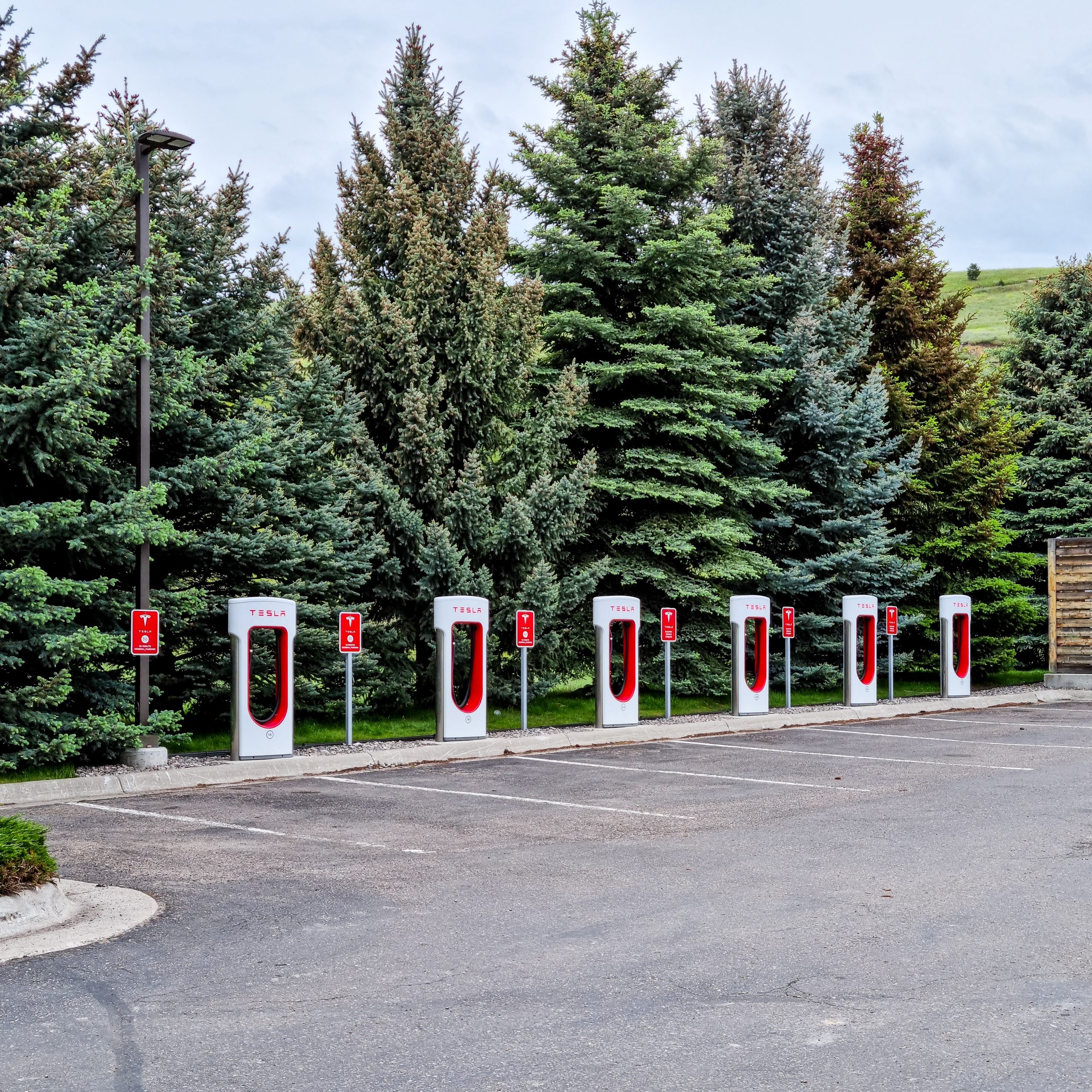
New York City targets 600 new curbside ports
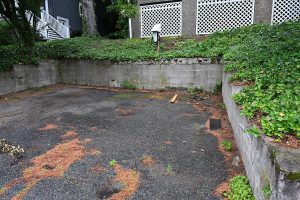
Separately, New York City’s Department of Transportation announced a three-year expansion of its PlugNYC curbside network, adding 600 charging points across all five boroughs. Electrek reported that the city currently operates only 88 curbside Level 2 ports; the build will bring the total to nearly 700. Each new station will include at least two posts with two ports each, and only vehicles actively charging may occupy the marked spaces.
The agency is prioritizing dense neighborhoods with limited off-street parking and is collecting resident feedback through an online portal before finalizing locations. Pricing per kilowatt-hour has not been set, but officials said they intend to keep sessions affordable while encouraging drivers to move once charging finishes. The New York Power Authority will procure hardware and contractors, while DOT will oversee operations through a maintenance contract.
Curbside Level 2 complements highway-focused DC networks: it serves commuters and apartment dwellers who rely on street parking rather than a garage charger. That audience overlaps with buyers researching compact and midsize EVs — see Tesla’s brand page and model listings such as the Tesla Model Y (2025) for range and charging specs.
What to watch next
EVgo has not published a full site list yet; watch for retail and restaurant destinations with room for up to 20 stalls per location. In New York, construction timelines and final kWh pricing will determine whether curbside charging is truly competitive with garage Level 2. Neither announcement changes home charging economics overnight, but together they widen the public options for two very different US driving patterns — long interstate legs and daily street parking.
Sources: Ars Technica, electrive.com, Electrek (Aug 5–6, 2026).