Yesterday’s GetEVCar post used New AutoMotive’s DVLA extract: 27,876 battery-electric cars, 29.7 percent of August, with hybrids lumped in a mixed bucket. The Society of Motor Manufacturers and Traders published the official industry file on 4 September, and that table does split the plugs. Plug-in hybrids were 13,707 of 94,236 new UK cars — 14.5 percent — and the fastest-growing powertrain, up 39.8 percent on August 2025. Battery EVs were 28,063 (29.8 percent, up 27.7 percent). Add those two lines and 41,770 cars, 44.3 percent of the month, could take a cable. Just Auto restated the same SMMT percentages; Zapmap printed the combined plug-in 44.3 percent from the same 28,063 + 13,707 split. That 14.5 percent is not yesterday’s ~29 percent hybrid pie, and we are not rewriting the New AutoMotive count as a mistake — 27,876 and 28,063 are different source files.
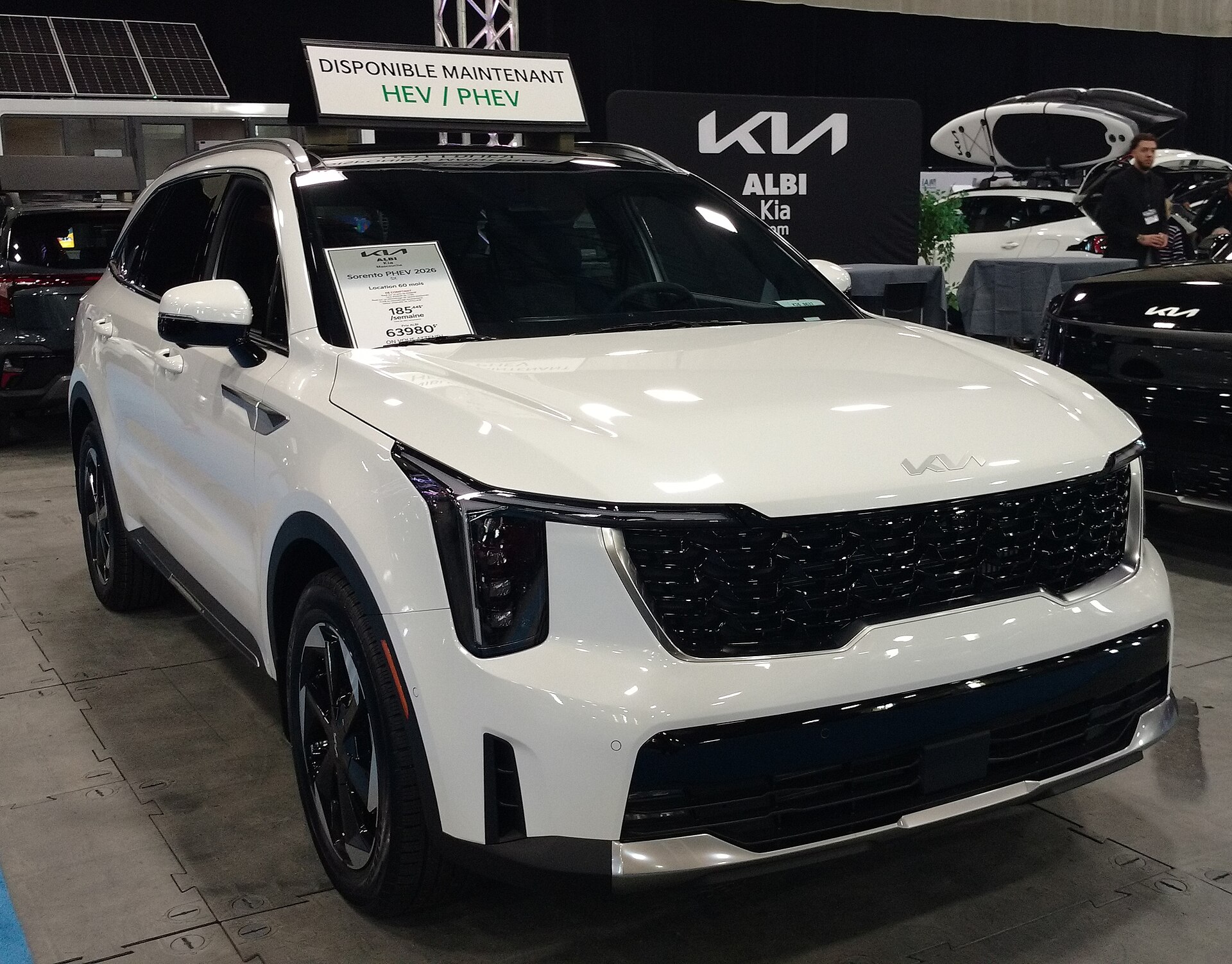
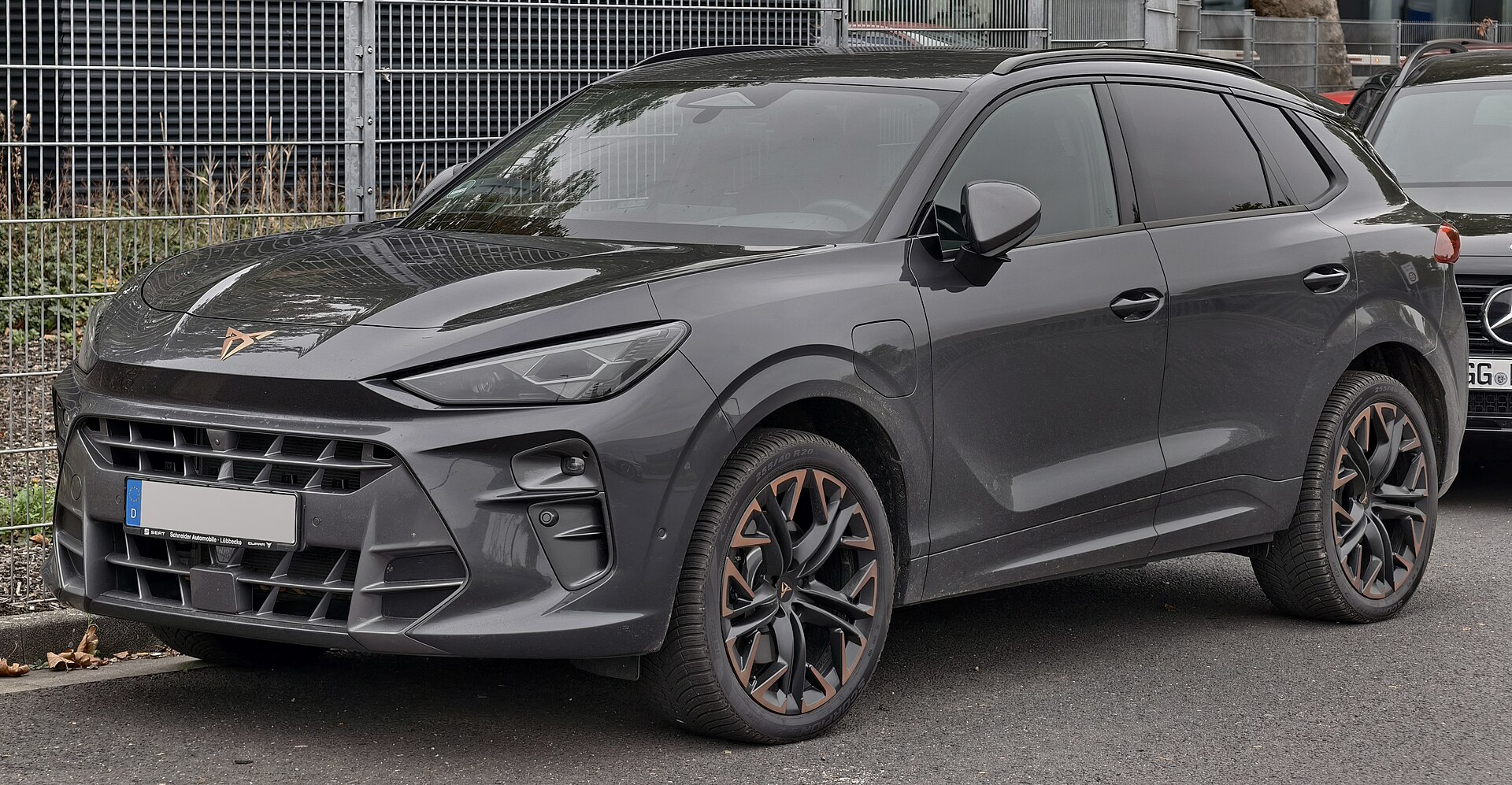
Shoppers who want the cars behind that PHEV line start on the live United Kingdom market page and the plug-in hybrid list, not the battery-electric grid. Two UK-available SUVs already on this site are the Kia Sorento Plug-in Hybrid (13.8 kWh, 55 km electric, 3.3 kW AC, United Kingdom and United States Available) and the CUPRA Terramar e-HYBRID (19.7 kWh, 117 km electric, 11 kW AC / 50 kW DC, United Kingdom Available). Those electric-range figures are from the live model pages; SMMT does not name either car in the August PHEV total, so we are not assigning 13,707 registrations to one badge.
The same SMMT release still has battery EVs as the largest single fuel type for the month, just not the story that was missing yesterday. Petrol remained 38.3 percent (36,048) and was the only powertrain to fall. Non-plug hybrids were 11,940 (12.7 percent). Year-to-date, battery EVs are 355,746 (25.62 percent of 1,388,735) — a record, SMMT said, and still short of the 33 percent headline 2026 ZEV-mandate target. Plug-in hybrids are 185,198 year-to-date (13.34 percent). SMMT chief executive Mike Hawes said, “August is a low-volume month, so September will be the acid test.” Just Auto carried the same line. We are not forecasting the mandate review.
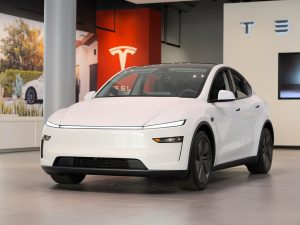
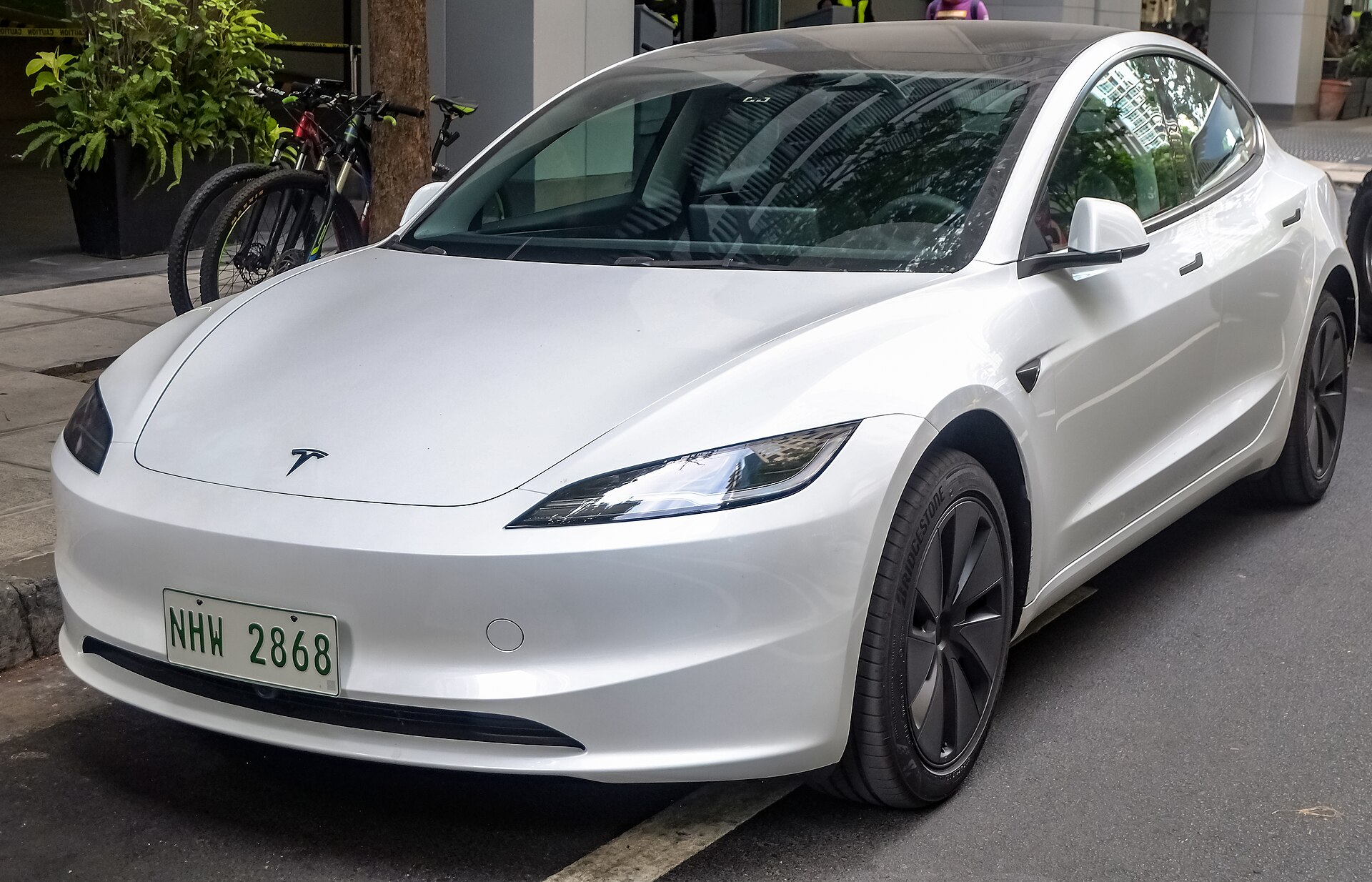
On the monthly battery-electric model table, SMMT puts the Tesla Model 3 first at 1,296, the Model Y second at 884, and the Kia EV3 ninth at 735. Carwow restated Model 3 as the month’s best-selling EV from that table. Those Tesla pages are UK/US/UAE Available (Model 3 Long Range RWD 75 kWh / 584 km / 250 kW DC; Model Y 75 kWh / 501 km / 250 kW DC). The EV3 stays UK Available on the Kia brand page (81.4 kWh / 605 km Long Range); its United States and UAE rows are still Announced. Ford’s Puma led the all-fuel chart at 2,795 — that is not a plug-in, and it is not in this catalogue.
Overnight, Electrek reported that BYD opened what it called its biggest-ever UK sales event, 10–21 September, across DM-i plug-in hybrids and battery EVs. Sandicliffe’s Leicester and Loughborough BYD pages use the same “Biggest Sales Event Ever” window. Electrek also printed savings of up to £2,500 and several monthly PCP examples; those pound figures are Electrek’s, not a BYD UK price list we can audit, so they stay labelled. Live battery-electric pages already on UK dealer availability here are the Atto 3 (60.48 kWh, 420 km, 88 kW DC, UK and UAE Available) and the Sealion 7 (91.3 kWh Excellence AWD, 502 km, 230 kW DC, same flags). The DM-i plug-ins in that promotion are not those two battery-electric pages.
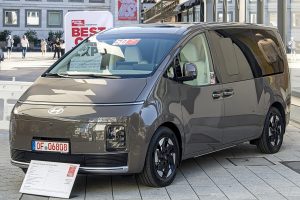
What we are not claiming: that 14.5 percent is a BEV share, a UAE or US split, or that Tesla’s Cybercab robotaxi is a UK retail car. Electrek, Carscoops, and RTTNews reported on 4 September that NHTSA opened an audit into how Tesla certified the steering-wheel-free Cybercab after Austin rides began 3 September — an examination of the certification process, not a published finding that the vehicle broke a rule. Hyundai’s Staria Electric opened German order books around 3 September; UK sale is still unconfirmed, so it is not in this post’s model links.