BYD’s October sales table does not describe one kind of car. The Shenzhen filing dated 2 November 2026 puts new-energy vehicle sales at 490,168. In the same table, passenger battery-electric sales are 305,743 and passenger plug-in hybrid sales are 177,382. The commercial row is 7,043. Those three rows are the whole 490,168. Reuters had already reported the headline total on 1 November, from a company disclosure it placed on that Sunday: an 11 percent rise on a year earlier, a sixth straight month of growth, and a slower pace than the 17 percent gain the agency calculated for September.
The battery row is what lifted the month. A year earlier that passenger battery column was 222,559, so the October 2026 cell is about 37 percent higher. For the year to date the filing lists 1,935,700 battery passenger sales, against 1,828,462 in the prior-year cumulative column, and it marks that comparison up 5.86 percent. Of the 483,125 passenger new-energy sales in October, 305,743 are battery cars. That split is BYD’s own table. It is not a statement about which Seal, Atto, or other nameplate left a UK or UAE showroom.
Plug-in hybrids moved the other way, and they are still a large part of the month. The passenger plug-in hybrid cell is 177,382, against 214,297 in the October 2025 column, about 17 percent lower. Year to date the same row is 1,625,969, against 1,827,256, which the table marks down 11.02 percent. A plug-in hybrid is not a battery car. A petrol engine stays in the vehicle, and the battery is one a driver can charge from a plug. Calling all 490,168 sales electric cars would drop a row that is still a bit over a third of BYD’s passenger sales.
CnEVPost’s report on 1 November prints the same battery and plug-in hybrid counts. It is a second write-up of the company disclosure, not a separate count of cars. Reuters confirmed the overall total, the year-on-year pace, the September comparison, and an export figure. That dispatch did not restate the plug-in hybrid row. A 17 percent drop in plug-in hybrids is a reading of BYD’s table.
The year as a whole is not carried by the October headline. Year-to-date new-energy sales in the filing are 3,621,744, against 3,701,852 a year earlier, and the table marks that down 2.16 percent. A strong October can sit inside a year that is still behind.
Exports are the part of the bulletin that reaches beyond China, and they are not a local price list. The filing’s note says 170,194 new-energy vehicles were exported in October. Reuters calculated that as a 102.8 percent rise on a year earlier. Neither the filing note nor that Reuters line splits the exports into battery cars and plug-in hybrids. Neither names a pound, dirham, or dollar price for October, and neither says how many of those vehicles arrived in the UK, the US, or the UAE.
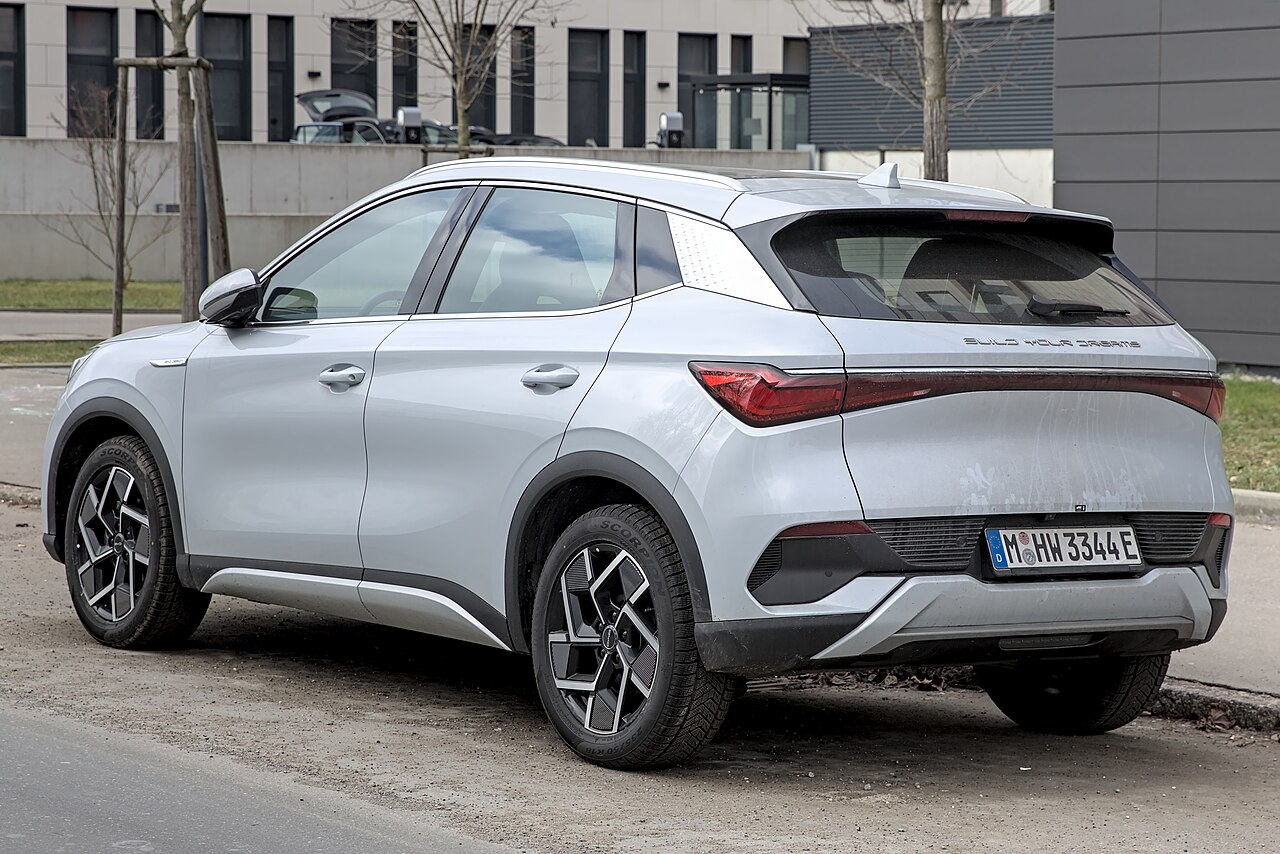
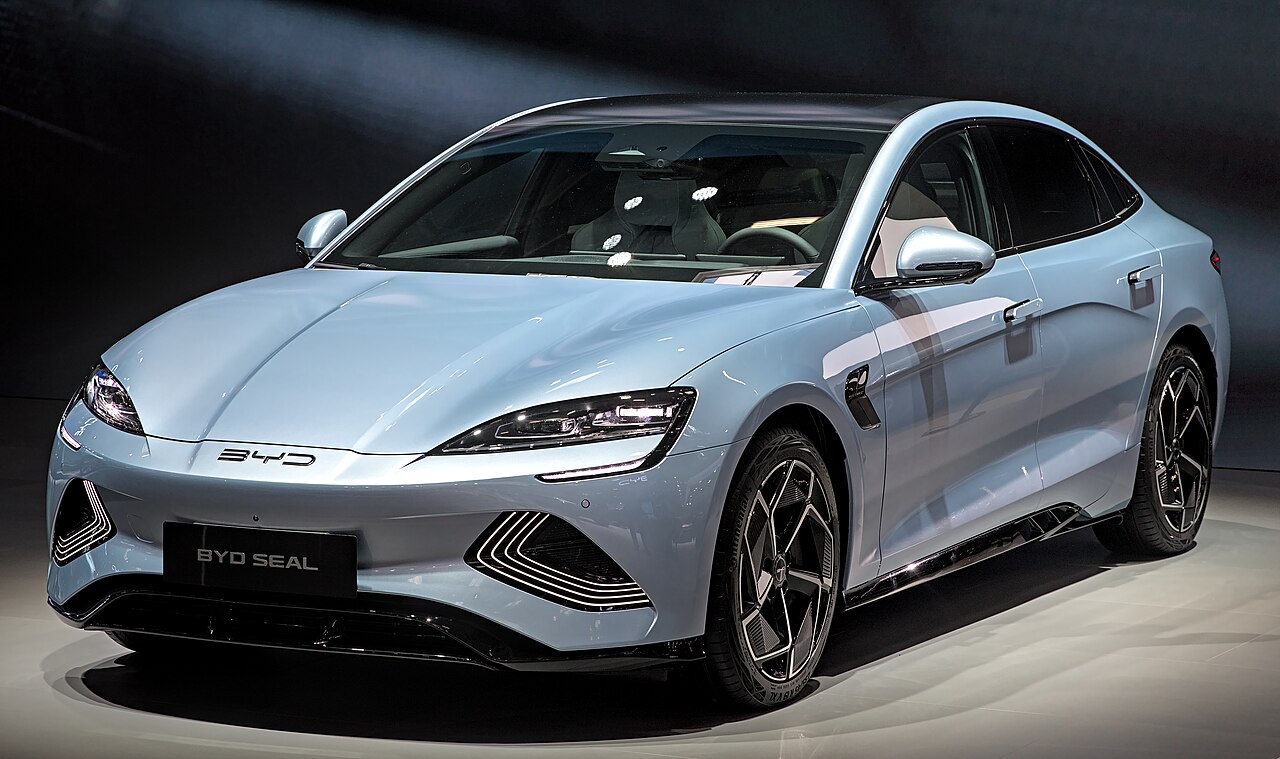
Anyone comparing cars that are actually listed should keep the powertrains apart. The BYD brand page holds both. The Seal card is a battery sedan. The Atto 3 card is a battery SUV. The Seal 6 DM-i and the Seal U DM-i are plug-in hybrids. Those two cards headline 105 km and 126 km of electric range. They are not the battery Seal, and they are not a share of the 177,382. The October filing does not mention them. Readers in the UK and the UAE can start from those market pages, and from the plug-in hybrid list when the car in question still has a petrol engine.
Commercial vehicles are the remainder, not a passenger model. October commercial sales are 7,043, against 4,850 a year earlier. The year-to-date commercial total is 60,075, marked up 30.22 percent. Inside the month’s commercial block the filing lists 600 buses. That row does not belong on a Seal card.
Sales counts in this piece come from BYD’s 2 November 2026 Shenzhen filing. The 11 percent, the comparison with September’s 17 percent pace, the sixth month of growth, and the 102.8 percent export rise are Reuters’ calculations on the company disclosure. The 105 km and 126 km figures are the headlines on the GetEVCar cards linked above, not lines from the sales bulletin.