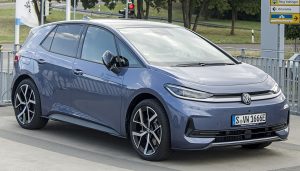
The number in this court fight is a fleet average, not a price on one car. US fuel-economy rules tell each manufacturer how far its cars and light trucks must travel, on average, on a gallon of fuel. They do not tell a household which vehicle to keep. The rule published on 30 September 2026 aims at 34.9 miles per gallon by the 2031 model year. The standards adopted in 2024 aimed at about 50.4. Both figures appear in Reuters’ report of 2 November 2026 and in New Jersey’s account of the lawsuit filed a month earlier.
That gap is why the case exists. On 2 October 2026, states and cities asked the US Court of Appeals for the First Circuit to review the National Highway Traffic Safety Administration rule. It covers passenger cars and light trucks for model years 2022 through 2031. New Jersey’s attorney general joined that filing and argued that regulators had left millions of electric vehicles out of the baseline used to judge what manufacturers can achieve. Reuters later reported the same objection from the states: the analysis ignored electric vehicles already on the road. The Corporate Average Fuel Economy program binds manufacturers. It does not require a driver to scrap a car they already own.
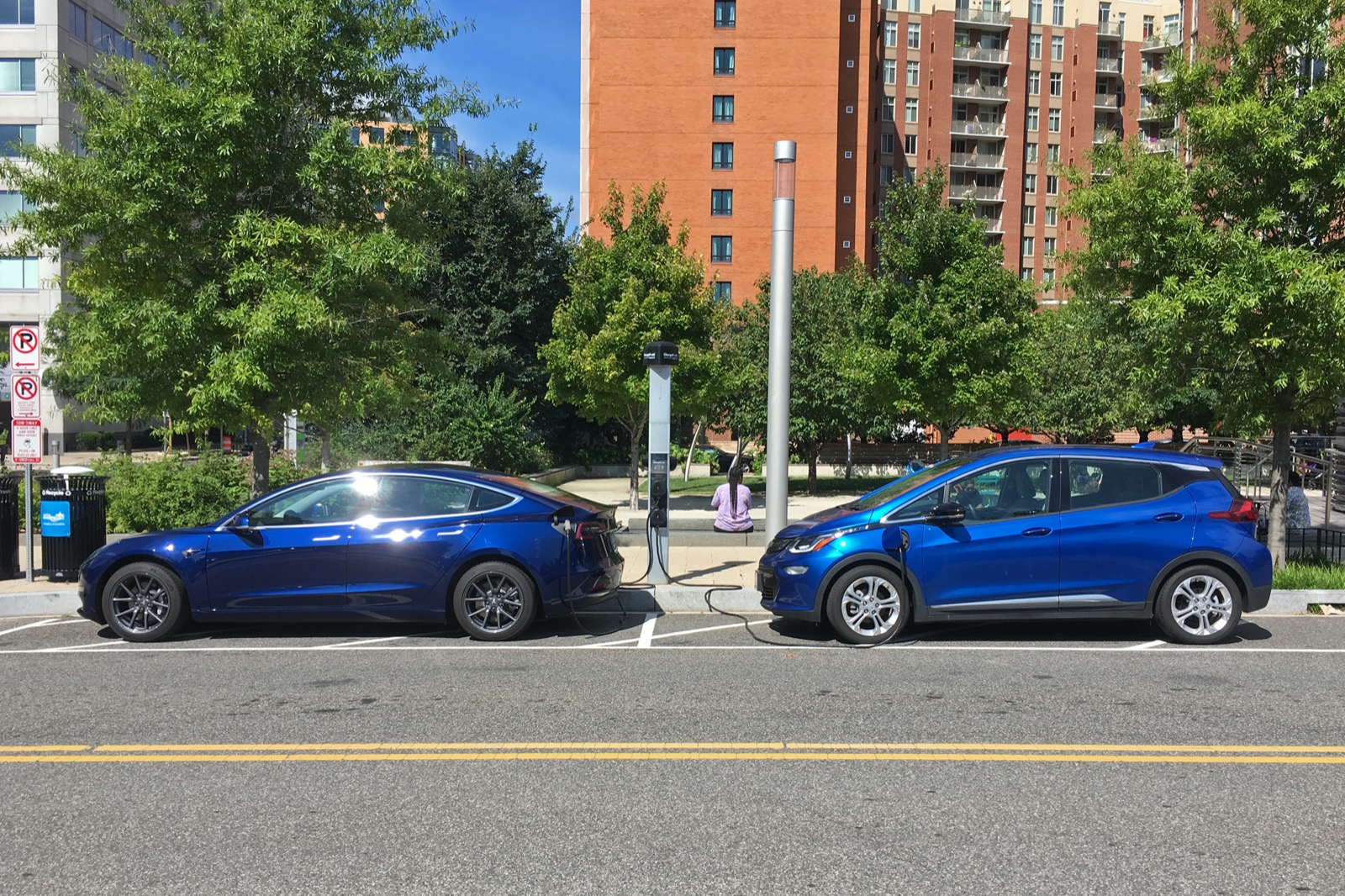
The new step is from the companies, not the states. Reuters reported that on Monday 2 November 2026 the Alliance for Automotive Innovation filed in the same court in support of the lower standard and of the Trump administration. The alliance speaks for General Motors, Toyota, Volkswagen, Hyundai, Ford, Stellantis and other large manufacturers. A second newsroom had not independently published that Monday filing when this was written, so the filing itself is Reuters’ account. Reuters said the paper argues that automakers need stable standards, and that setting the rule aside would disrupt plans for hundreds of models intended for the US market.
The alliance had already taken a public position, in its own words, on 28 September. John Bozzella, its chief executive, said the earlier standards effectively required a switch to electric vehicles that did not match demand, and he called the revised rule “an appropriate course correction.” That September statement is not the court filing. It does show the industry wanted the lower path before it asked the judges to keep it.
A lower fleet target does not turn a plug-in hybrid into a battery car, and it does not take either kind of vehicle off sale. A plug-in hybrid still carries a petrol engine plus a battery that can be charged from a plug. Reuters described the revision as a move to reverse the previous administration’s push toward higher fuel efficiency and electric vehicles. What can change is how many battery cars a manufacturer feels it must sell in the United States for the average to land. The 50.4 mpg path left less room for thirstier vehicles. A 34.9 mpg path leaves more.

Reuters also relayed Transportation Department estimates attached to the rule: about $1,289 less in compliance cost per vehicle, set against more than $1,600 in extra fuel cost over the life of the vehicle, and about 4.6 percent more US gasoline use through 2050, roughly 121 billion gallons, compared with the 2024 standards. Those figures are one department’s estimates, carried by one news report. They are not a separate calculation. The same Reuters report said the American Petroleum Institute filed in support of the weaker rule.
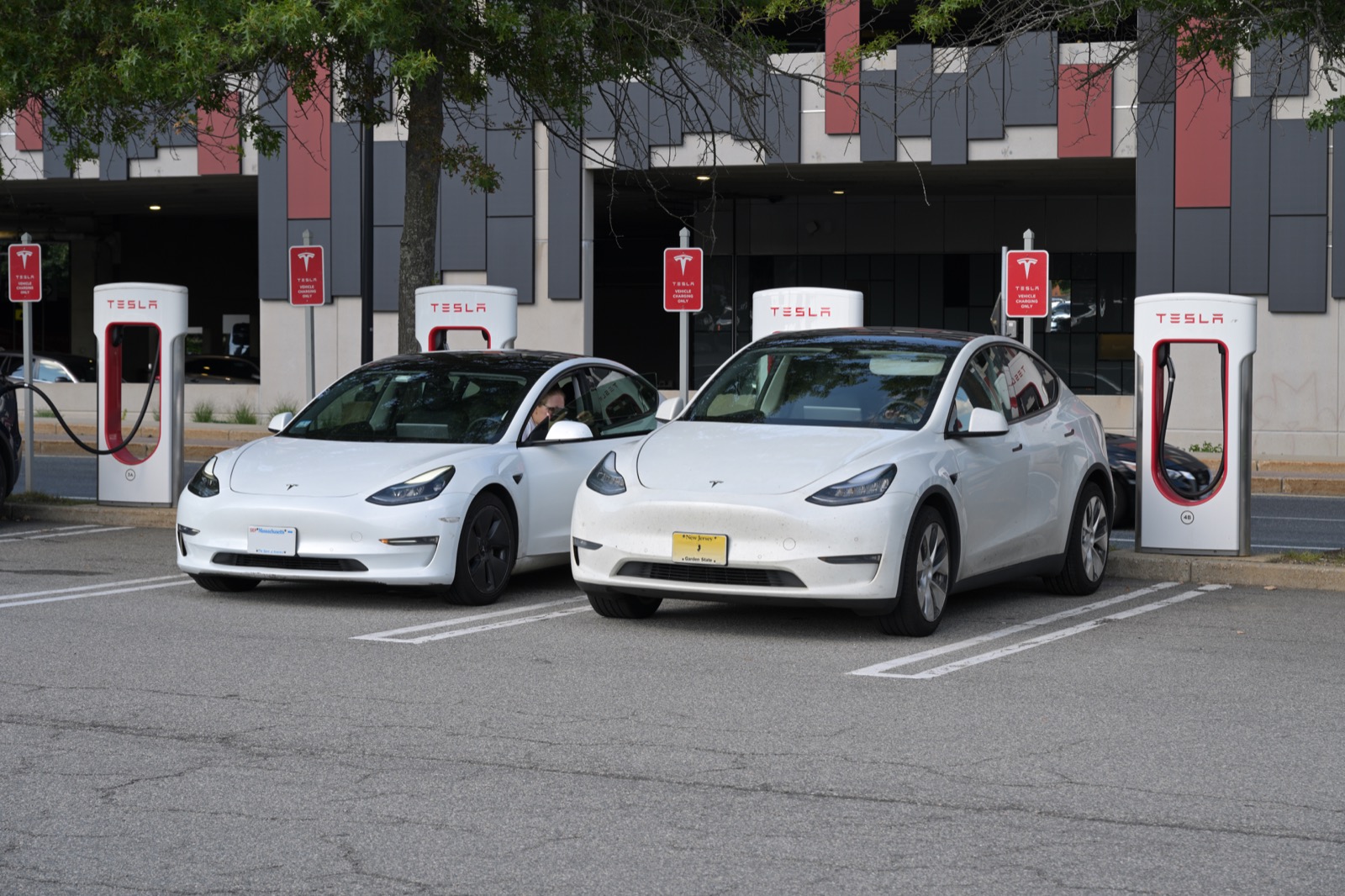
Shoppers comparing cars, rather than briefs, can start with what is already listed for the United States. Battery-electric nameplates on that market include the Tesla Model Y and the Tesla Model 3. A plug-in hybrid listed for the same market is the BMW X5 xDrive50e. It is a plug-in hybrid, not a battery SUV. Toyota and Volkswagen are both in the alliance and both have brand pages here. The court case does not rewrite those listings. The lead image, a Model 3 and a Model Y at Tesla stalls in Framingham, Massachusetts, in August 2026, is a street scene, not a product photo of those catalog cards.