
Future of electric SUV

High-Range, Fast-Charging Electric SUV Technologies Explained (2025–2026)

The years 2025 and 2026 represent a turning point for electric vehicles. Electric SUVs are no longer experimental or niche products—they have entered a phase of technological maturity. Buyers today expect electric SUVs to match or exceed petrol and diesel vehicles in range, convenience, comfort, and performance.

This shift is especially important in the SUV segment. SUVs are larger, heavier, and often used for long-distance travel. To succeed, electric SUVs must deliver long driving range, ultra-fast charging, and reliable performance in real-world conditions—including hot climates like the United Arab Emirates.

This article explains, in simple and clear terms, how modern electric SUV technology works, which models lead the market in 2025–2026, and why the latest platforms—especially 800‑volt systems—are changing everything.


Why Electric SUV Technology Has Changed So Fast

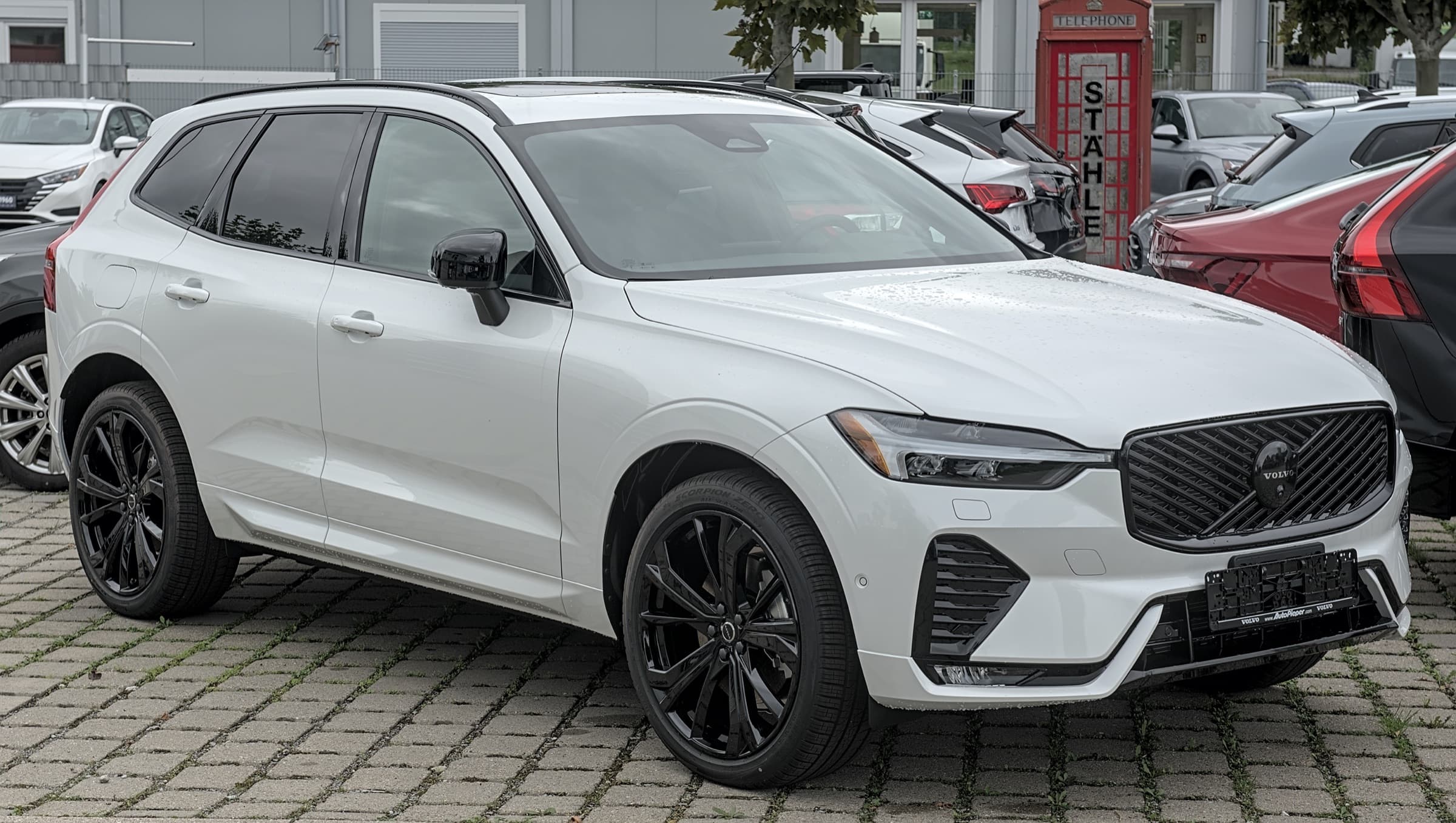
Future of electric SUV
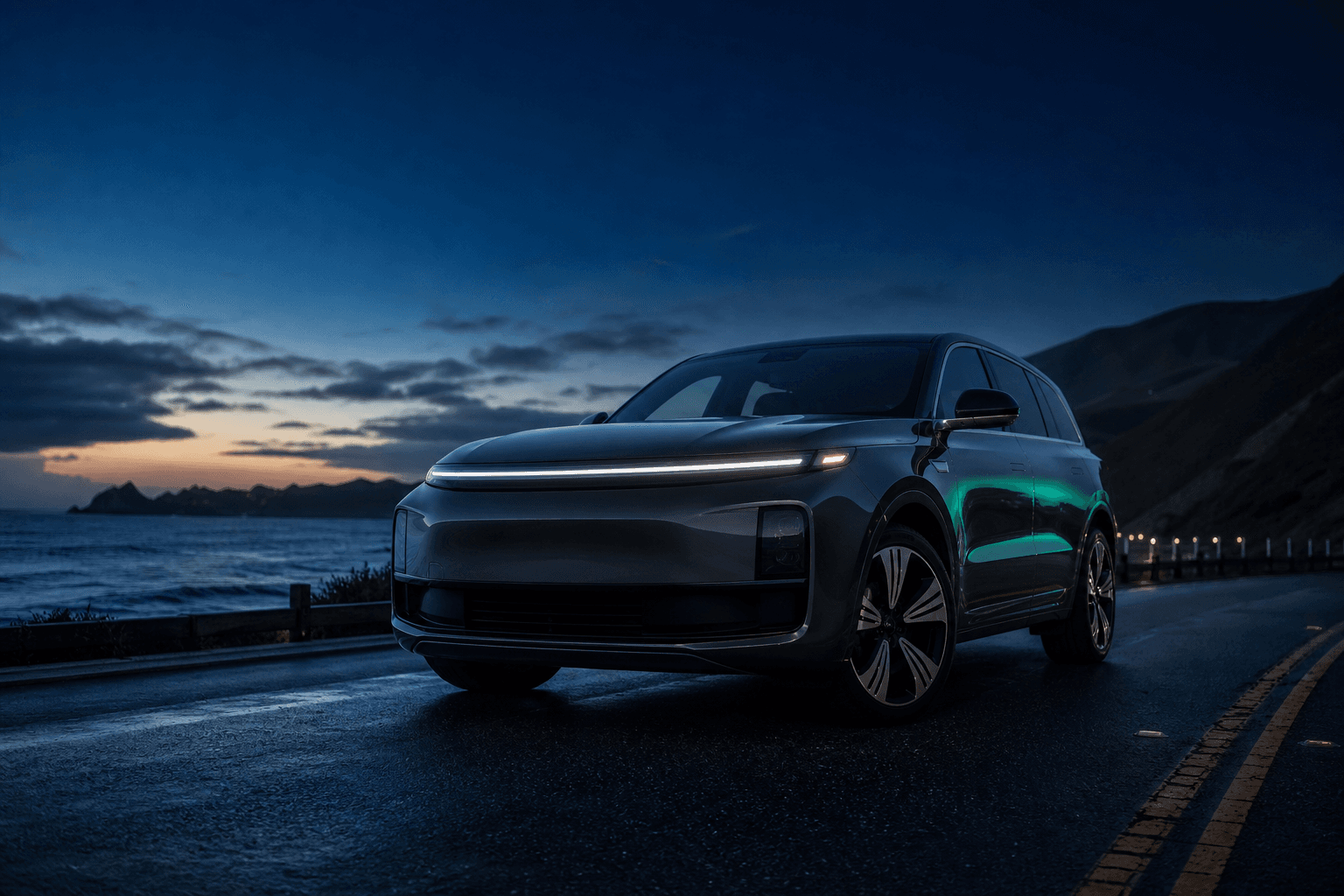
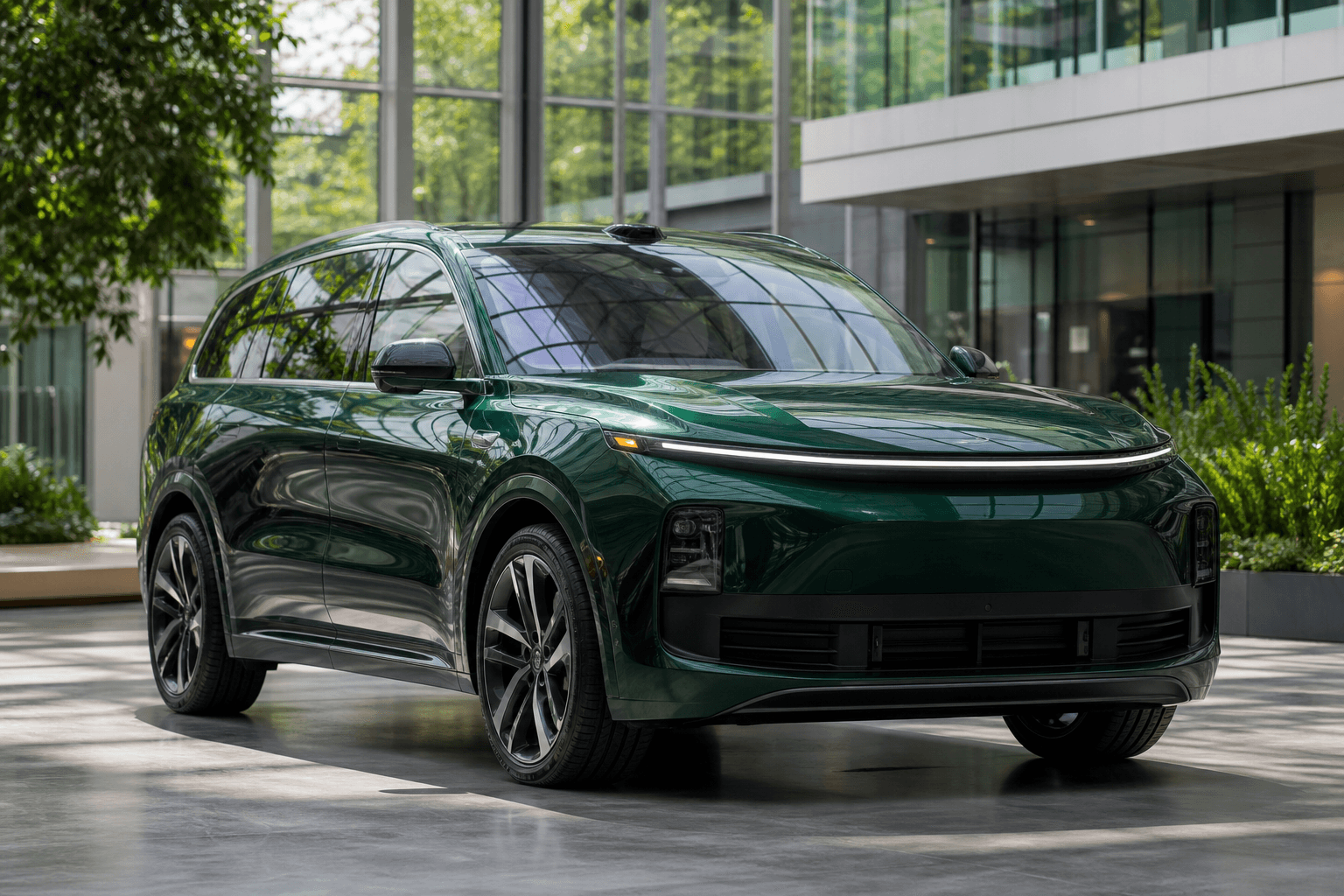
A high-end electric SUV charges in an urban setting—representing the leap to 800‑volt platforms and fast-charging breakthroughs in 2025–2026.

Early electric vehicles were built by modifying petrol-car platforms. These vehicles worked, but they had clear limitations:

  • Slower charging speeds
  • Shorter real-world range
  • Heavy batteries with inefficient cooling
  • Reduced performance in hot climates

Today’s electric SUVs are different. Manufacturers now design electric-only platforms from the ground up. These platforms are lighter, smarter, and far more efficient.

The most important change behind this improvement is the move from 400‑volt to 800‑volt electrical systems.


Understanding 800‑Volt Electric Architecture (In Simple Terms)

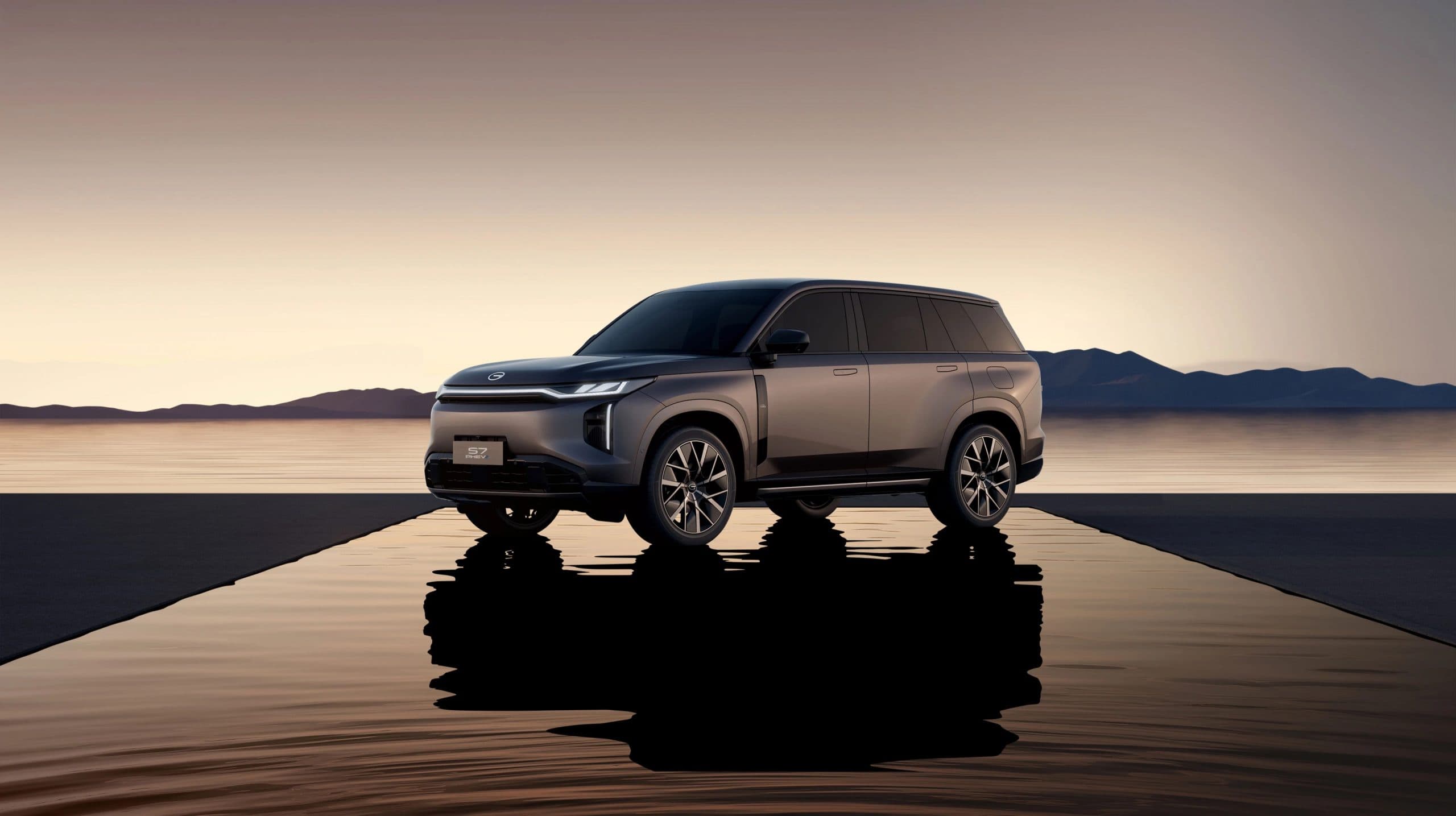
Electric SUV in the UAE

Electric power follows a basic rule:

Power = Voltage × Current

Older EVs used 400‑volt systems. To deliver high power, they needed very high current, which created heat, thicker cables, and energy loss.

By doubling the voltage to 800 volts, modern EVs can:

  • Deliver the same or higher power using less current
  • Reduce heat generation
  • Support much faster charging
  • Improve efficiency at highway speeds

What this means for drivers

  • Charging from 10% to 80% in 20–25 minutes
  • Adding 300–400 km of range during a short stop
  • More consistent performance during long drives

Why this matters in the UAE

In the UAE, summer temperatures regularly exceed 40°C. High heat puts stress on batteries and electronics. 800‑volt systems, combined with advanced liquid cooling and silicon‑carbide inverters, help electric SUVs:

  • Maintain stable performance
  • Protect battery life
  • Reduce range loss caused by extreme heat

Fast Charging: It’s Not Just About Peak Numbers

Manufacturers often advertise peak charging speeds like 350 kW or 400 kW. While impressive, this number alone does not tell the full story.

What really matters is how long the vehicle can maintain high charging power. A stable charging curve means less waiting time during real road trips.

Fast-Charging Comparison (Real-World Focus)

VehicleVoltage SystemPeak Charging10–80% TimeRange Added in 10 Minutes
BMW iX3 (Neue Klasse)800V400 kW21 min372 km
Porsche Macan Electric800V270 kW21 min~280 km
Hyundai Ioniq 9800V350 kW24 min~300 km
Kia EV9800V350 kW24 min~240 km
Lucid Gravity900V+400 kW15–20 min~350 km
Audi SQ6 e-tron800V270 kW21 min~255 km

These vehicles can comfortably support long-distance travel with short, predictable charging stops.


Three-Row Electric SUVs: Built for Families

Three row electric SUV in UAE

The biggest breakthrough in 2026 is the arrival of true three‑row electric SUVs. These vehicles aim to replace large petrol SUVs while offering:

  • Space for 6–7 passengers
  • Long driving range
  • Fast charging suitable for family road trips

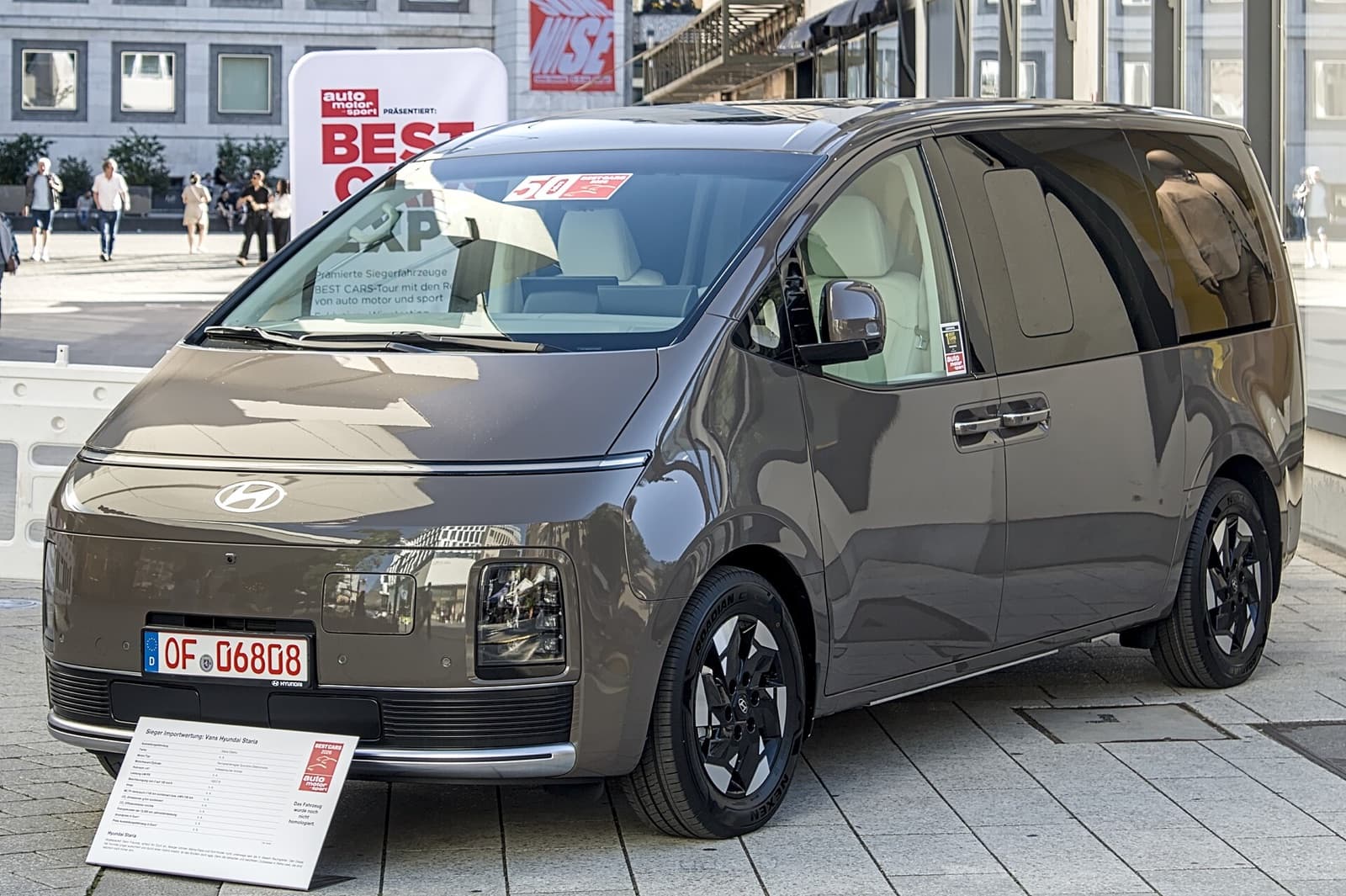
Hyundai Ioniq 9

  • Battery: 110.3 kWh
  • Range: Up to 532 km (WLTP)
  • Charging: 10–80% in ~24 minutes

The Ioniq 9 is designed with families in mind. Features such as Sand Mode, advanced driver assistance, and long‑distance comfort make it especially suitable for UAE travel between cities like Dubai and Abu Dhabi.

Kia EV9

  • Range: Up to 490 km (Long Range version)
  • Fast charging: Under 25 minutes (10–80%)
  • UAE price: Around AED 185,000

The EV9 delivers excellent value and is one of the most accessible premium electric SUVs in the region.


Ultra‑Long‑Range Electric SUVs

Lucid Gravity

Lucid focuses on efficiency rather than simply adding bigger batteries.

  • Range: Up to 724 km (EPA estimate)
  • Battery: 123 kWh
  • Charging: Up to 400 kW
  • Aerodynamics: Extremely low drag (Cd 0.21)

The result is exceptional range without excessive weight, making the Gravity one of the most advanced electric SUVs ever built.

Cadillac Escalade IQ

The Escalade IQ takes the opposite approach:

  • Massive battery
  • Exceptional luxury
  • Real‑world range exceeding 550 miles in testing

While extremely capable, its size and weight make it less efficient than streamlined competitors like Lucid.


German Engineering Returns Strongly

Porsche Macan Electric

Porsche’s electric Macan proves that performance and efficiency can coexist.

  • 800V platform
  • 100 kWh battery
  • Very stable fast‑charging performance

Despite lower peak charging numbers than some rivals, it charges faster in real road trips due to sustained power delivery.

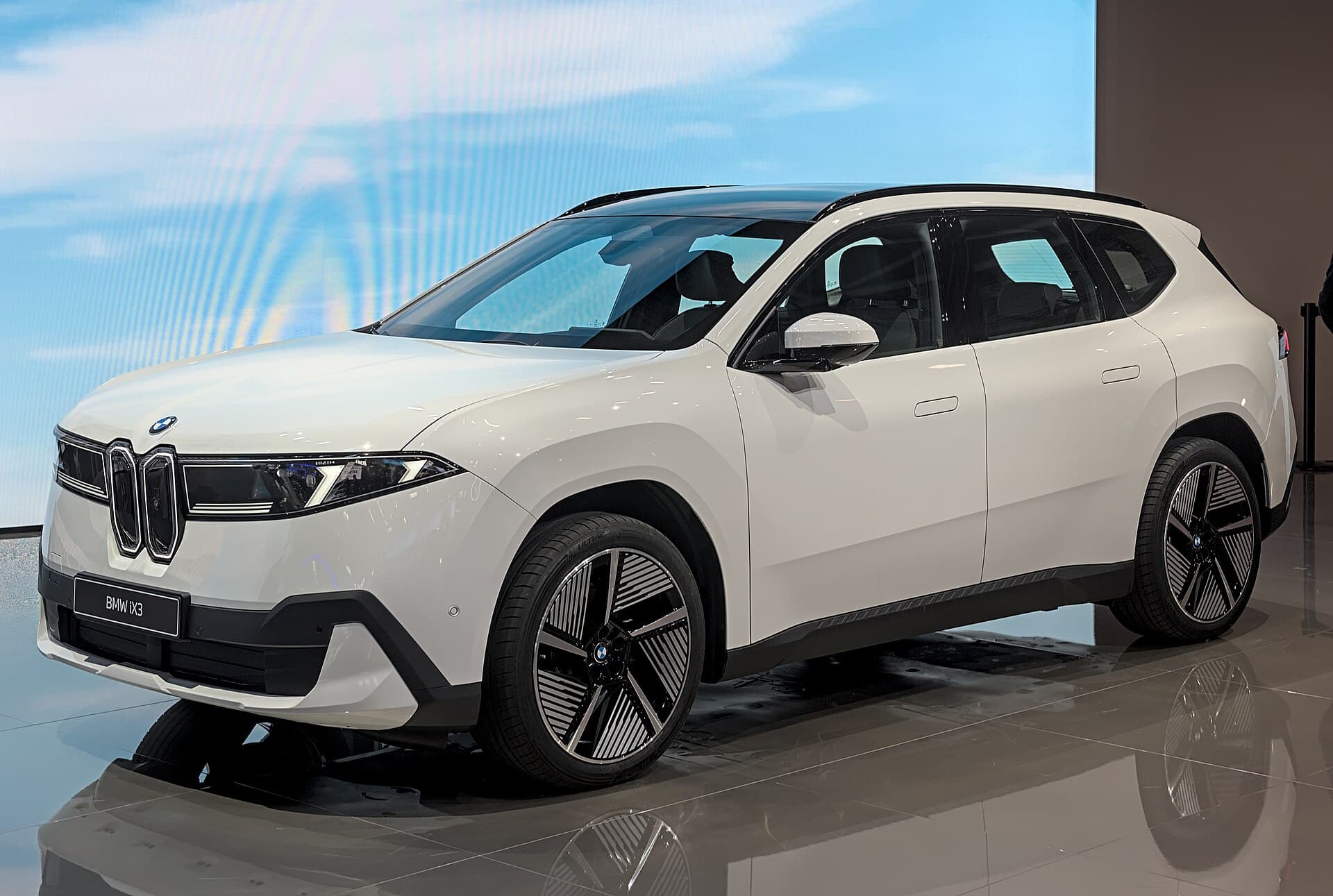
BMW iX3 (Neue Klasse)

BMW’s next‑generation electric platform introduces:

  • New cylindrical battery cells
  • Up to 805 km WLTP range
  • 400 kW fast charging
  • Advanced centralized vehicle software

This marks BMW’s full transition to purpose‑built electric vehicles.


Heat, Speed, and Real‑World Driving Conditions

Real‑world electric range depends heavily on environment and driving style.

  • UAE heat can reduce range by 10–18%
  • Sustained high‑speed driving (130 km/h) reduces range by ~17%

Electric SUVs with better aerodynamics handle these conditions far more effectively.

Real‑World Range Leaders

VehicleOfficial RangeTested Range
Cadillac Escalade IQ465 mi558 mi
Chevrolet Silverado EV492 mi539 mi
Mercedes EQS SUV339 mi407 mi
Lucid Gravity GT450 mi400 mi
Hyundai Ioniq 9320 mi366 mi

UAE Charging Infrastructure: A Major Advantage

The UAE is one of the most EV‑ready regions in the world.

Key highlights:

  • Over 1,500 DEWA Green Chargers
  • Rapid rollout of 350–360 kW ultra‑fast chargers
  • Tesla Superchargers opened to select non‑Tesla EVs
  • ADNOC and ENOC highway charging hubs

This makes owning a long‑range electric SUV practical and stress‑free.


Affordable and Mid‑Market Electric SUVs

Not everyone needs a luxury flagship. Strong mid‑market options include:

  • Chevrolet Equinox EV – practical, well‑equipped, 500+ km range
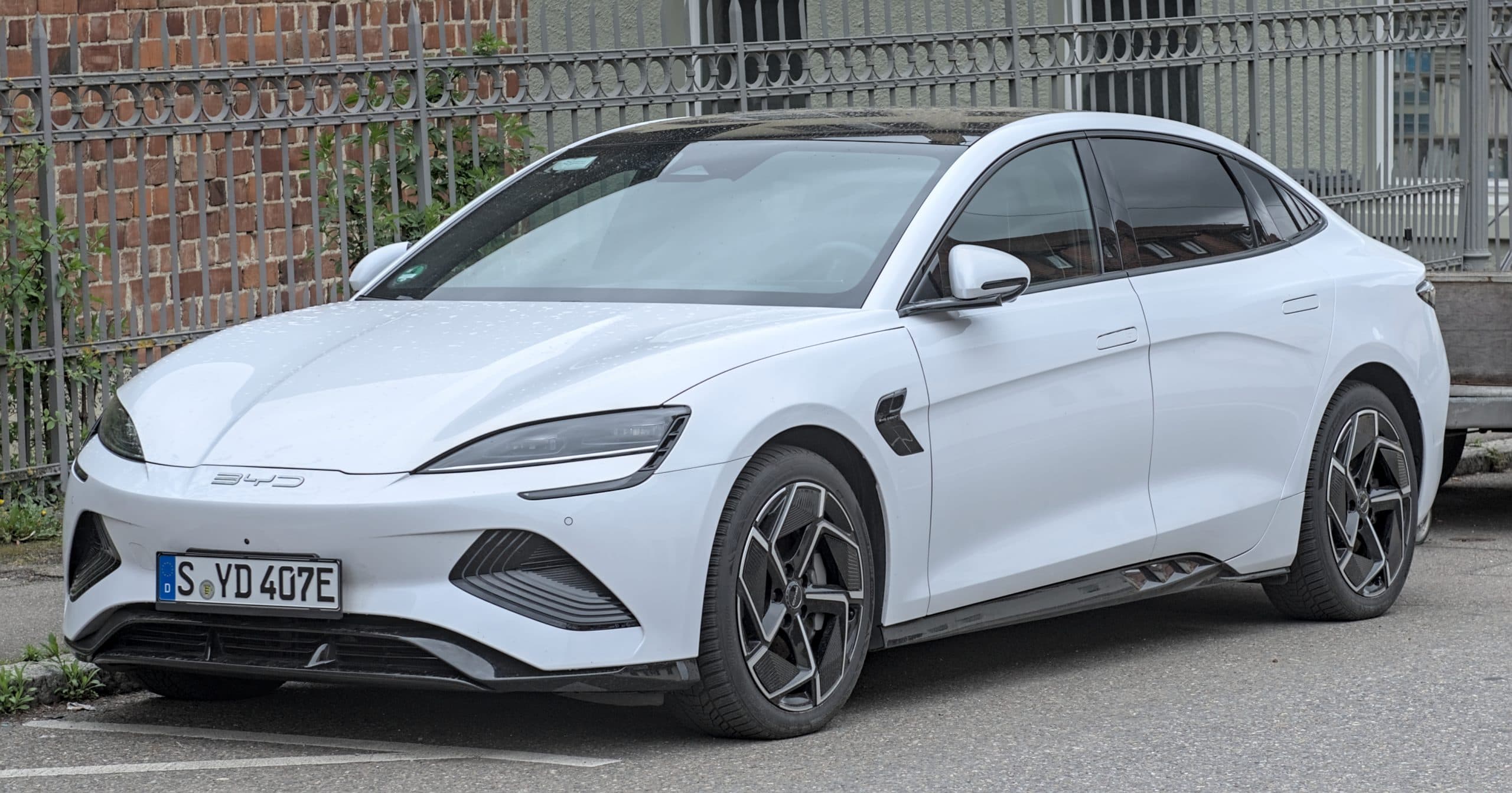
  • BYD Atto 3 – affordable pricing under AED 150,000
  • Geely Geometry C / EX5 – modern tech with solid range

Chinese brands, in particular, are accelerating EV adoption in the UAE through aggressive pricing and strong feature sets.


Software‑Defined Vehicles and Smart Energy Use

Modern electric SUVs are increasingly software‑driven:

  • Over‑the‑air updates improve performance and safety
  • AI voice assistants with Arabic language support
  • Smart navigation that prepares the battery before fast charging

Bi‑Directional Charging (V2L, V2H, V2G)

Many 2026 models allow:

  • Powering appliances
  • Supporting home energy systems
  • Feeding electricity back to the grid

This turns electric SUVs into mobile energy storage units.


What Comes Next (2027 and Beyond)

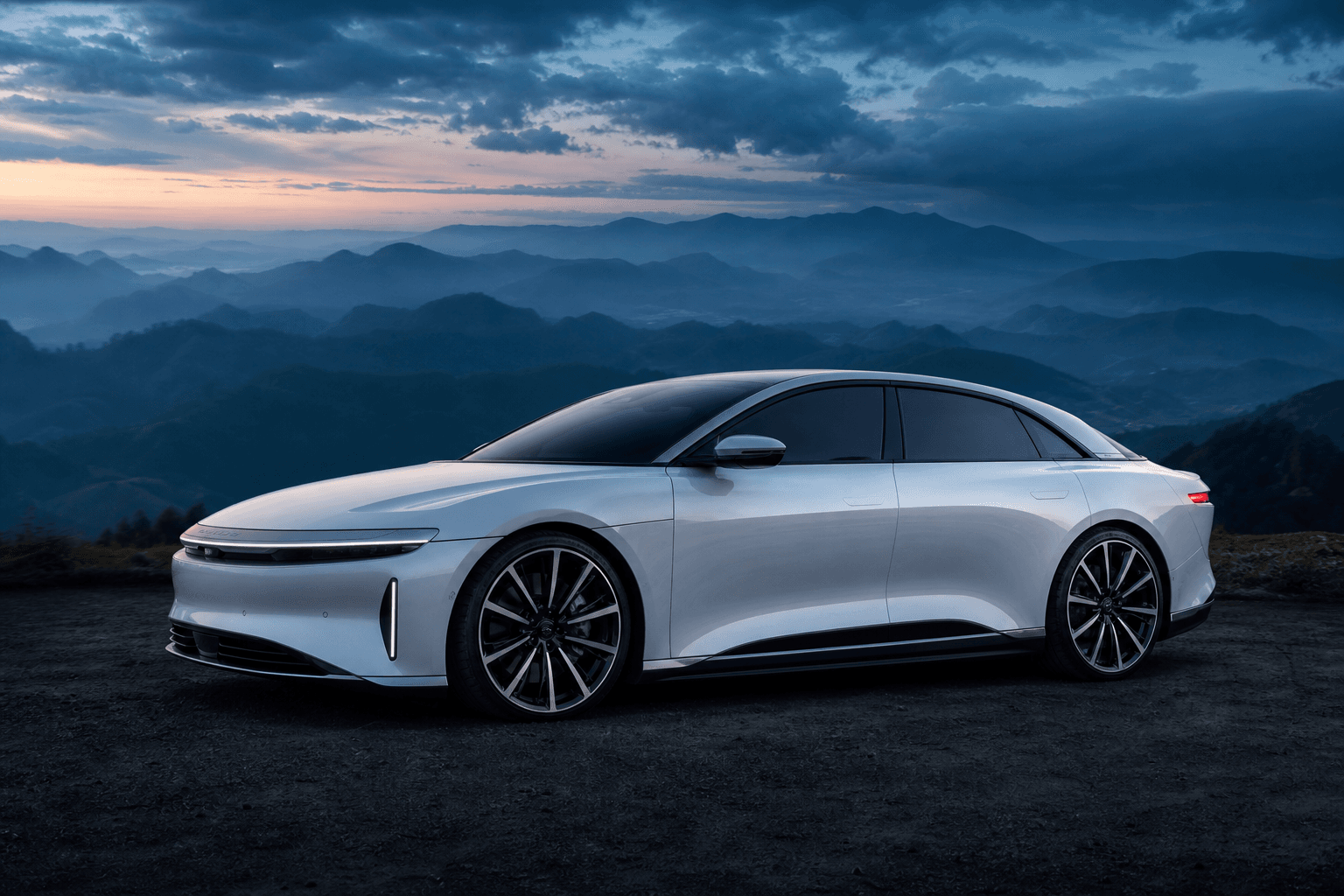
Futuric copper colored electric suv charging in UAE

The next wave of innovation will focus on:

  • Early solid‑state batteries
  • Higher energy density
  • Faster charging with less heat
  • Unified charging standards worldwide

The UAE’s goal of 70,000 chargers by 2030 ensures infrastructure will continue to support rapid EV growth.


Final Recommendations

  • Best Family Electric SUVs: Hyundai Ioniq 9, Kia EV9
  • Best Technology & Range: Lucid Gravity, BMW iX3 (Neue Klasse)
  • Best Performance SUV: Porsche Macan Electric
  • Best Value Options: BYD Atto 3, Chevrolet Equinox EV

With advanced platforms, fast charging, and world‑class infrastructure—especially in the UAE—2026 is the year electric SUVs become a true mainstream choice.